10 Best Email Automation Tools for Drip Campaigns in 2026
Advanced email automation platforms for complex sequences and behavioral triggers. We tested 18+ tools to find the best for nurture campaigns, onboarding flows, and behavior-based messaging.
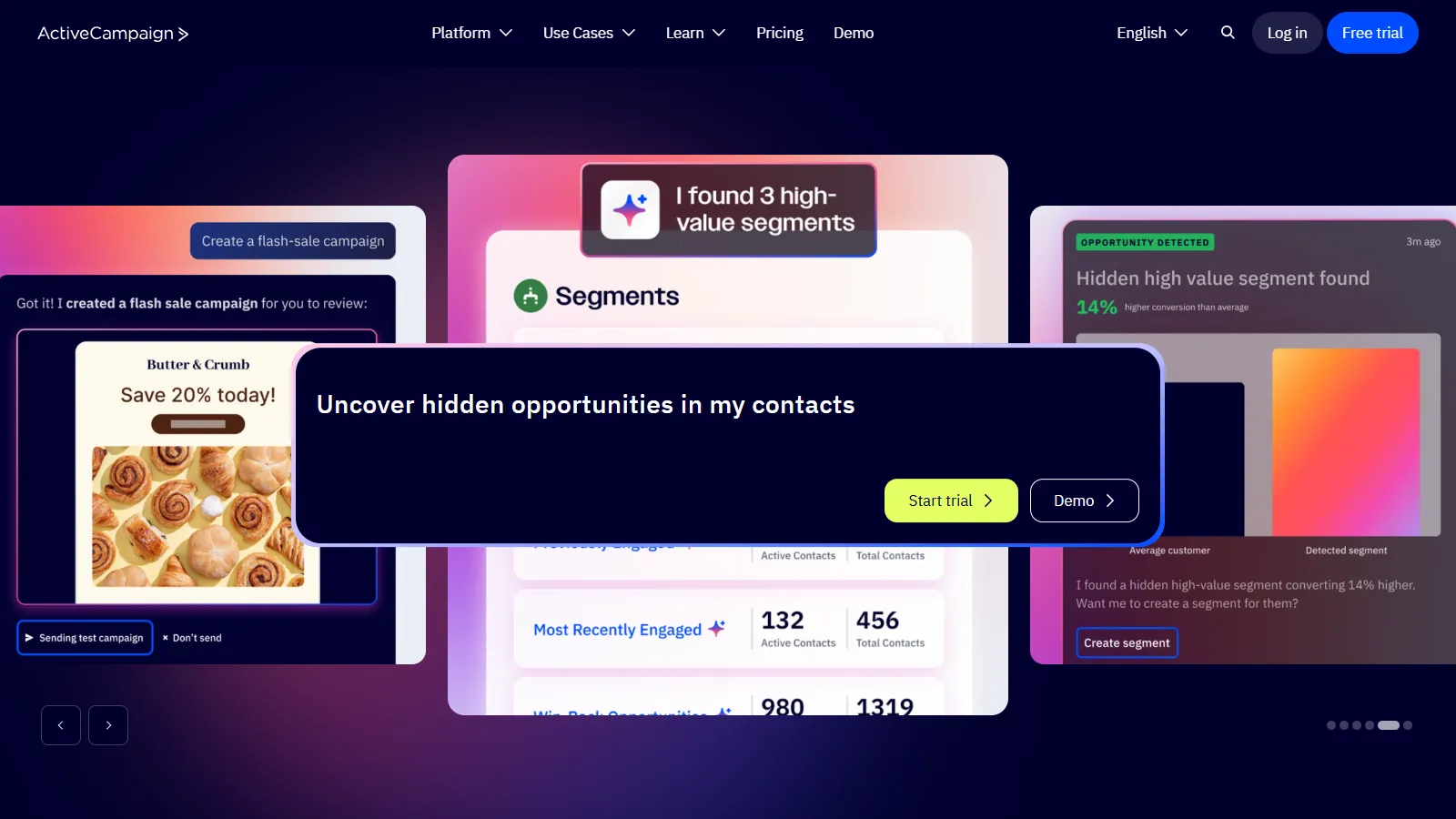
ActiveCampaign offers the most sophisticated email automation builder on the market. Its visual workflow editor supports unlimited branching, conditional logic, and behavioral triggers. You can create complex nurture sequences that adapt based on how contacts engage with your emails and website.
Starting price$29/mo
Strengths
Most powerful visual automation builder
CRM with sales automation included
Site tracking and event-based triggers
Predictive sending and content
Excellent deliverability rates
Limitations
Learning curve for advanced features
Reporting could be more intuitive
Mobile app is basic
Who it's for: Best for marketing teams who need sophisticated automation without enterprise pricing. Ideal when you want CRM and email in one platform.
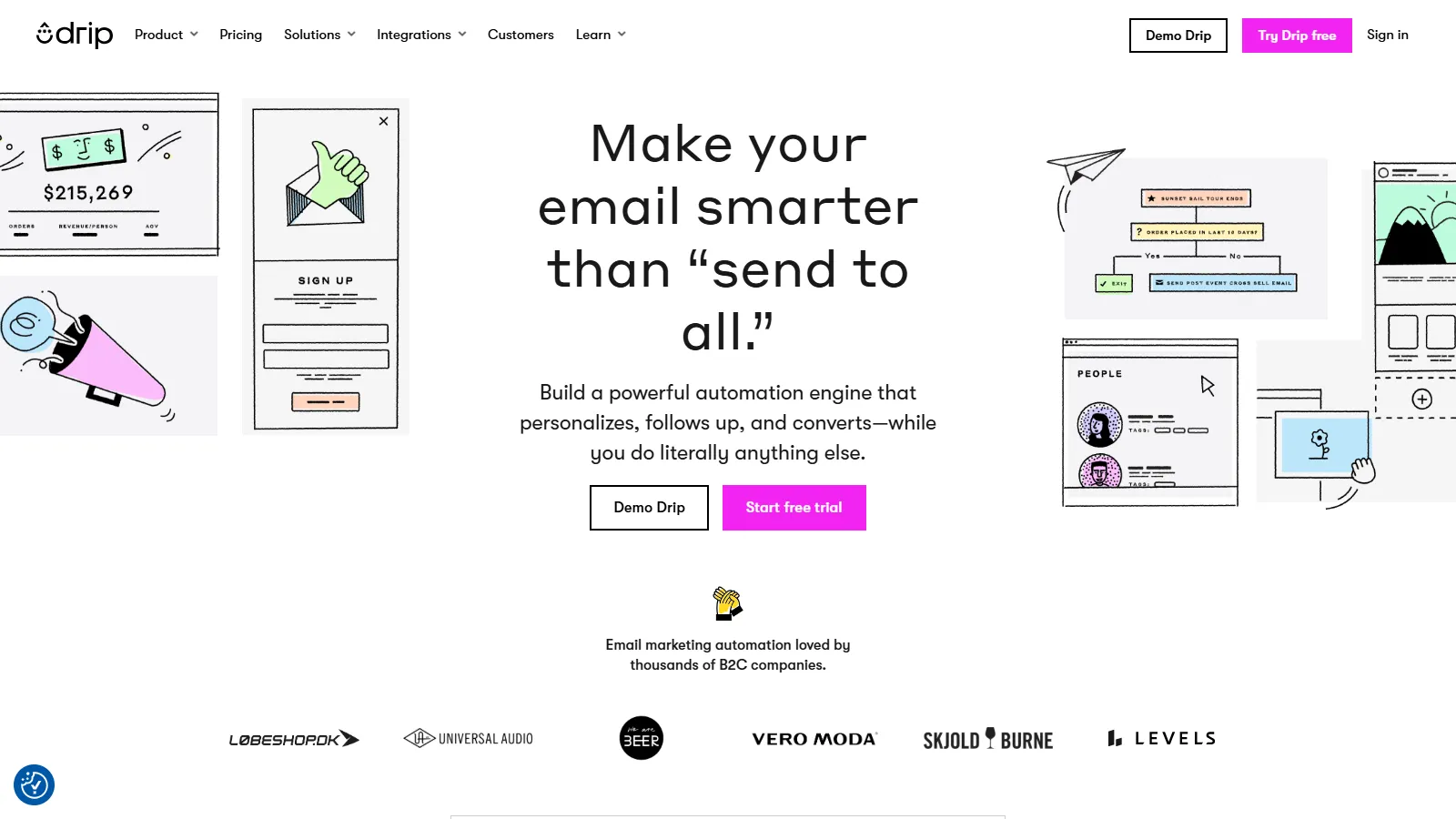
Drip was built from the ground up for e-commerce email automation. It connects deeply with Shopify, WooCommerce, and other platforms to trigger emails based on purchase behavior, browsing history, and customer lifetime value. Revenue attribution shows exactly which automations drive sales.
Starting price$39/mo
Strengths
E-commerce DNA with revenue tracking
Deep Shopify and WooCommerce integrations
Pre-built e-commerce playbooks
Visual workflow builder
Customer behavior insights
Limitations
Limited outside e-commerce use cases
No built-in CRM
Higher starting price
Who it's for: Perfect for D2C brands and e-commerce businesses that want automation tied directly to revenue. Best when Shopify or WooCommerce is your platform.
Customer.io is the choice for product-led companies and SaaS businesses. It triggers messages from any event in your product—user actions, feature adoption, subscription changes. Multi-channel campaigns span email, SMS, push, and in-app messages from one workflow.
Starting price$100/mo
Strengths
Event-driven messaging architecture
Multi-channel from one workflow
Developer-friendly API and webhooks
Behavioral segmentation
A/B testing across channels
Limitations
Higher price point
Steeper technical learning curve
Requires developer involvement to set up
Who it's for: Ideal for SaaS companies with product-led growth strategies. Best when you have developer resources to implement event tracking.
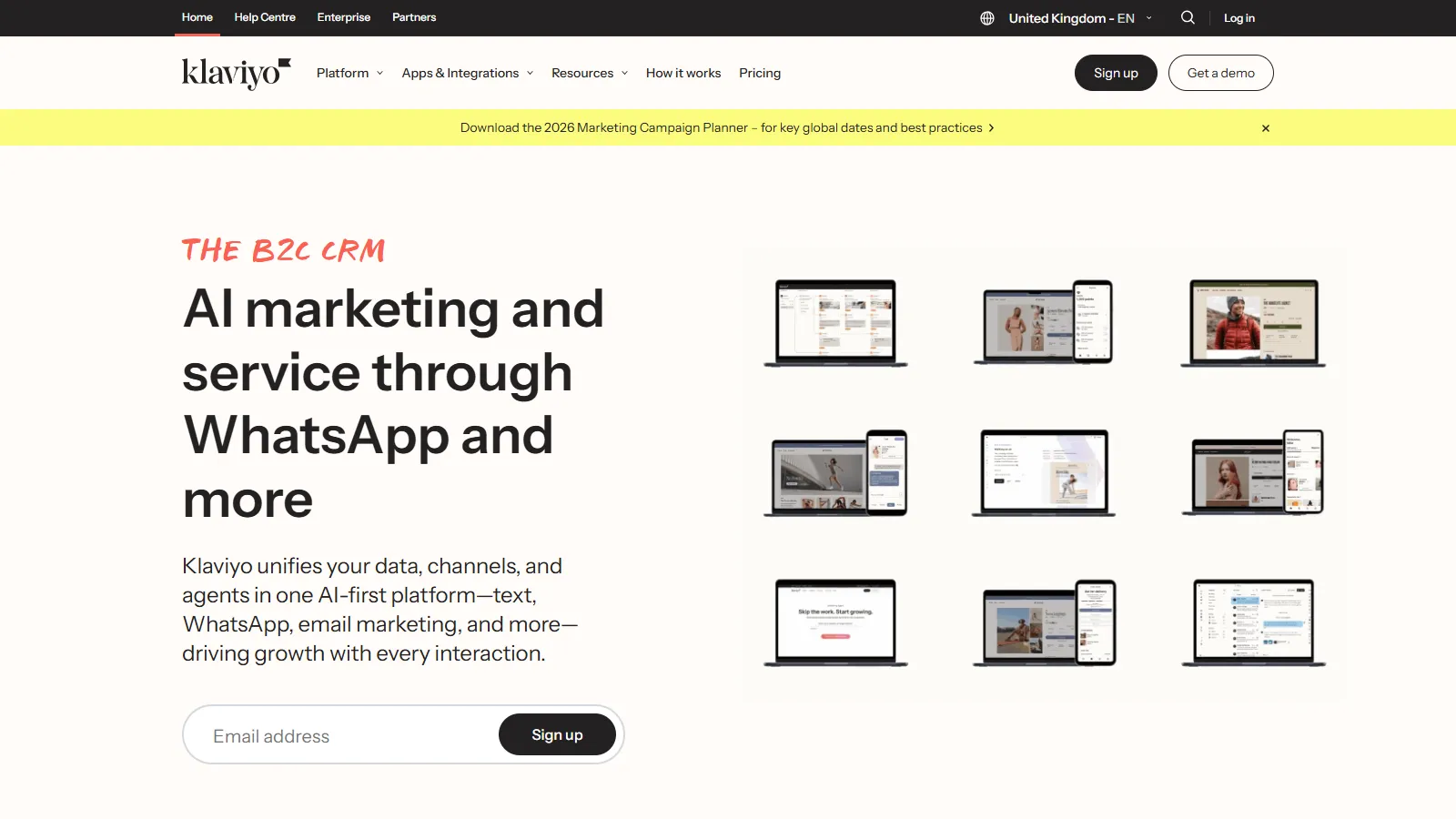
Klaviyo dominates Shopify email automation with its native integration and pre-built flows. Setup takes minutes, and the pre-configured abandoned cart, welcome series, and post-purchase flows start generating revenue immediately. Predictive analytics help identify best customers.
Starting priceFree/$20/mo
Strengths
One-click Shopify integration
Pre-built e-commerce flows
Predictive analytics for LTV
SMS and email unified
Strong deliverability
Limitations
Pricing scales quickly with contacts
Less flexible for non-e-commerce
Some features locked to higher tiers
Who it's for: Best for Shopify store owners who want to start automating quickly with proven flows. Ideal for e-commerce brands scaling from $1M to $50M.
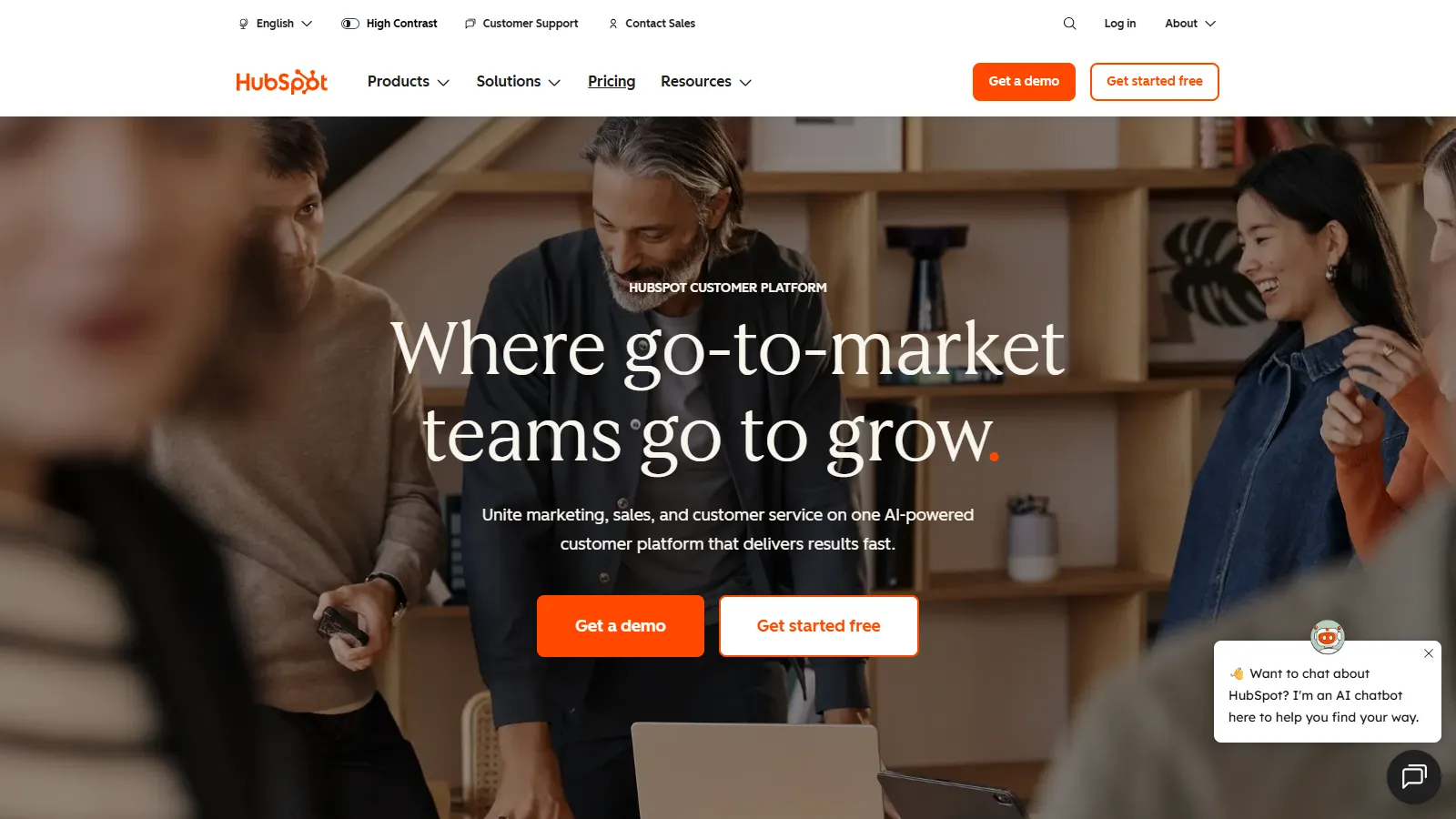
HubSpot workflows connect marketing automation with CRM and sales tools. Lead nurturing sequences can hand off to sales at the right moment, and lead scoring helps prioritize outreach. The all-in-one approach eliminates data silos between marketing and sales.
Starting price$45/mo
Strengths
CRM and marketing unified
Lead scoring and sales handoff
Extensive integration marketplace
Free CRM tier available
Excellent learning resources
Limitations
Gets expensive as you scale
Some features require multiple hubs
Automation limits on lower tiers
Who it's for: Great for B2B companies that need marketing and sales alignment. Best when lead nurturing and sales handoff are priorities.
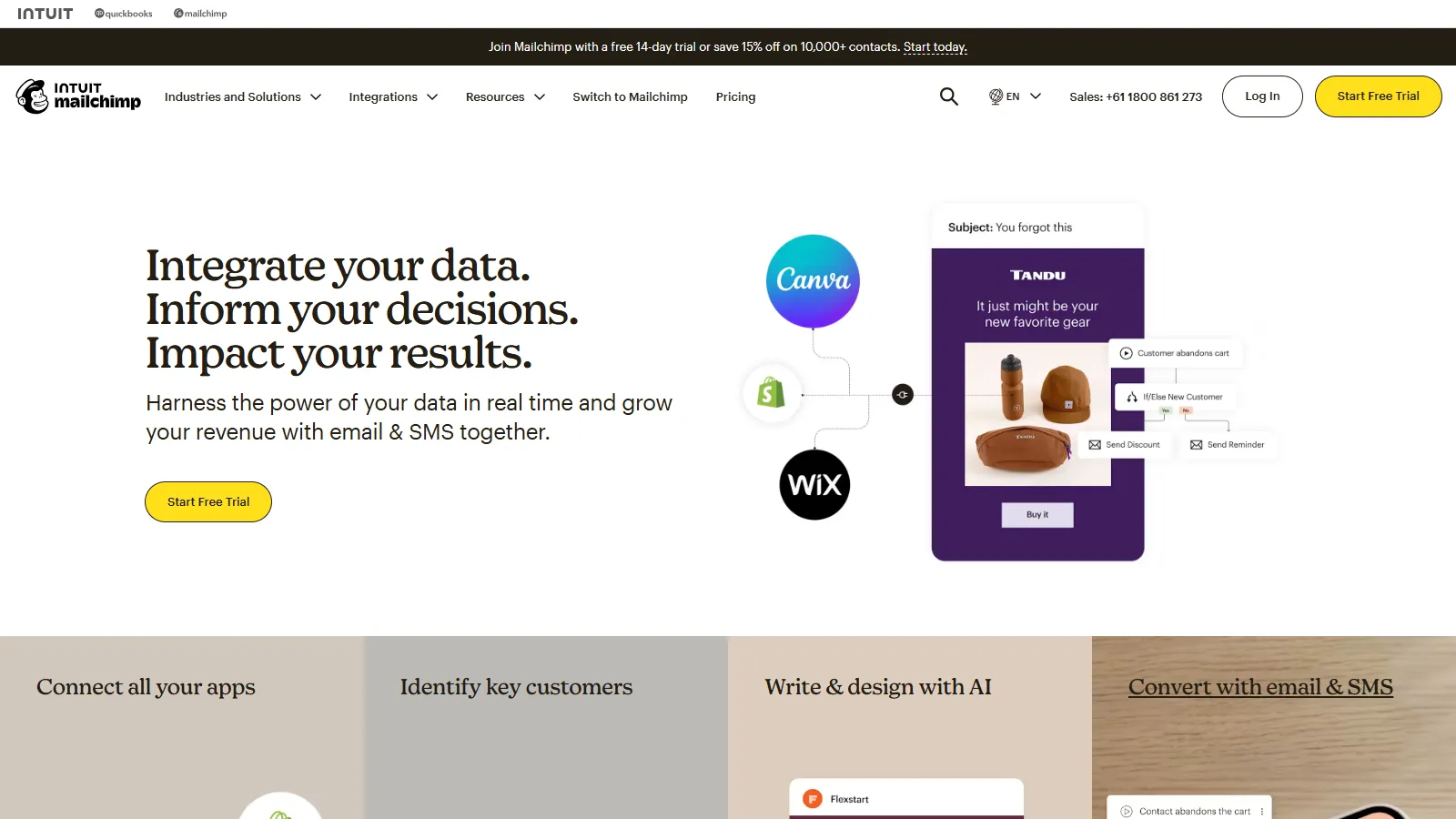
Mailchimp Customer Journeys offer visual automation for businesses getting started with email sequences. Pre-built journey templates handle common scenarios like welcome series, abandoned browse, and re-engagement. The interface is beginner-friendly.
Starting priceFree/$13/mo
Strengths
Easy to get started
Pre-built journey templates
Good free tier for basics
Wide integration ecosystem
Familiar interface
Limitations
Limited branching and logic
Automation less sophisticated
Pricing scales quickly
Who it's for: Best for small businesses and creators who want simple automations without complexity. Ideal for getting started before outgrowing the platform.
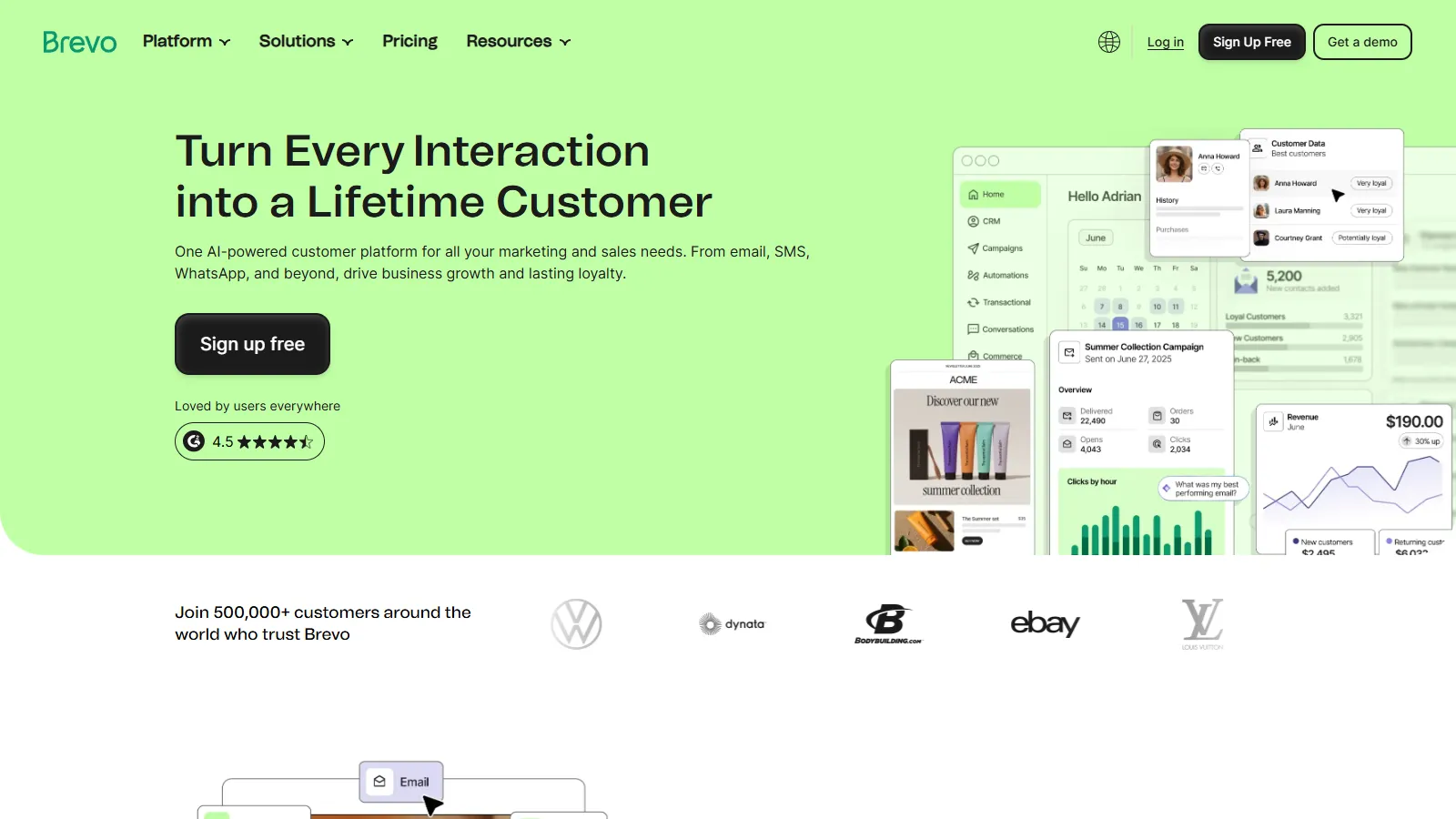
Brevo offers solid automation at a fraction of competitor pricing. The visual workflow builder supports triggers, conditions, and multi-channel delivery including SMS and WhatsApp. For budget-conscious teams, it delivers excellent value.
Strengths
Best value for money
Multi-channel automation
Transactional email included
SMS and WhatsApp campaigns
Generous free tier
Limitations
Interface less polished
Fewer native integrations
Support response times variable
Who it's for: Perfect for startups and small businesses who need automation without the budget for premium tools. Great for multi-channel campaigns on a budget.
ConvertKit is designed specifically for content creators, bloggers, and online course sellers. The visual automation builder makes it easy to create welcome sequences, product launches, and subscriber tagging workflows. Landing pages and forms are included.
Starting priceFree/$29/mo
Strengths
Built for creators and bloggers
Simple visual automation builder
Landing pages included
Subscriber tagging system
Creator-friendly pricing
Limitations
Less advanced for complex B2B
Limited template designs
No SMS or multi-channel
Who it's for: Ideal for bloggers, YouTubers, podcasters, and course creators. Best when your audience is subscribers rather than customers.
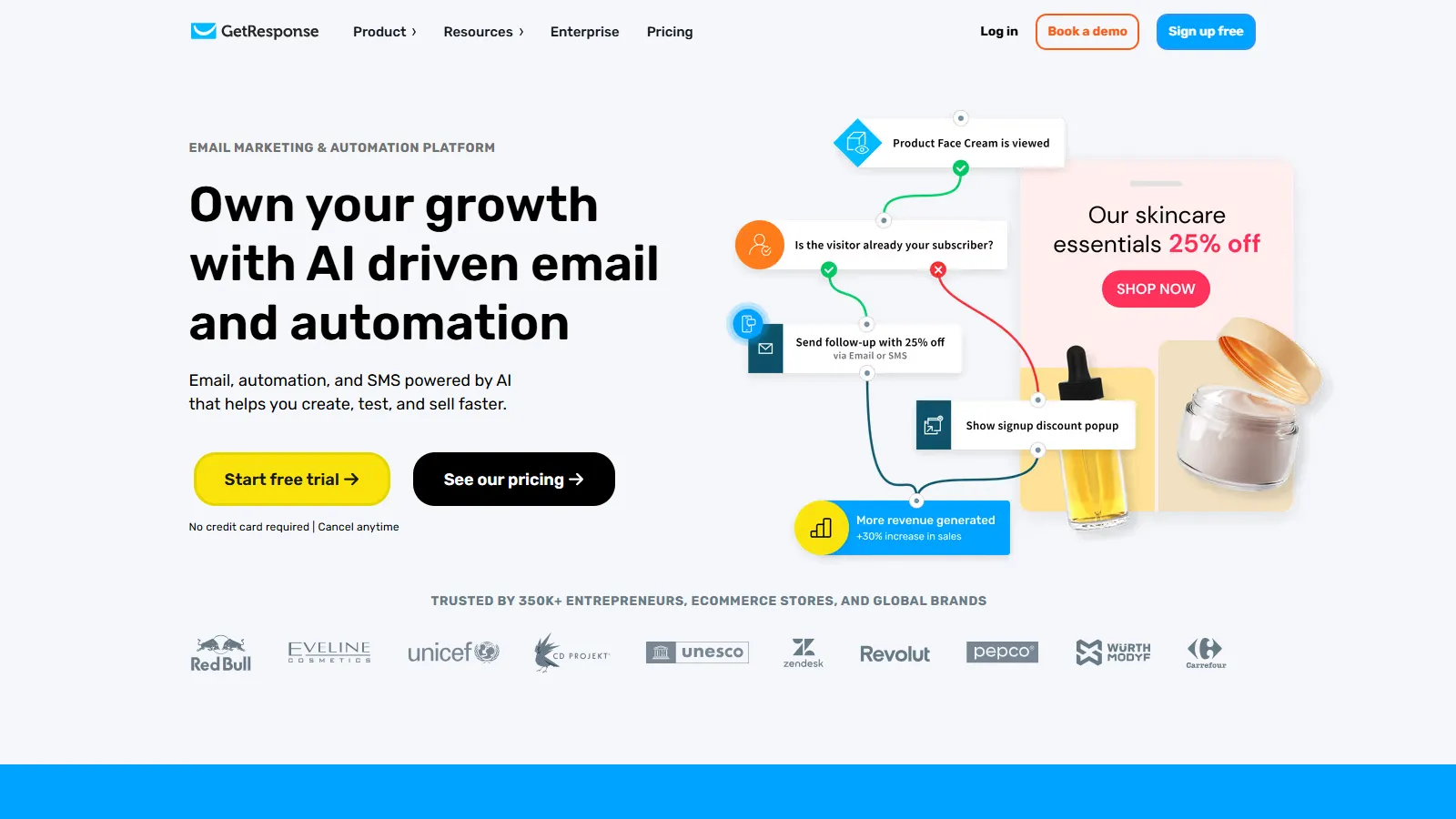
GetResponse combines email automation with built-in webinar hosting and conversion funnels. The automation workflows support complex sequences, and the funnel builder helps convert subscribers into customers. Good for businesses using webinars for marketing.
Starting price$19/mo
Strengths
Built-in webinar hosting
Conversion funnel builder
Solid automation features
Landing page builder
Competitive pricing
Limitations
Interface feels dated
Webinars require higher tiers
Less modern than competitors
Who it's for: Great for businesses that use webinars as part of their marketing funnel. Best when you need email, landing pages, and webinars in one tool.
Moosend delivers advanced automation features at budget pricing. Unlimited emails on all plans, sophisticated workflow builder, and e-commerce integrations make it a strong value choice. Good for growing businesses watching their budget.
Starting price$9/mo
Strengths
Excellent value pricing
Unlimited emails on all plans
Advanced automation builder
E-commerce integrations
Good deliverability
Limitations
Smaller company
Fewer integrations
Less brand recognition
Who it's for: Perfect for budget-conscious businesses that need pro automation features. Best when value for money is the top priority.
We built real automation workflows in each tool to test their capabilities:
Automation Power (30%) — Complexity of workflows, triggers, and conditional logic supported.
Ease of Use (25%) — Visual builder quality and learning curve for non-technical users.
Integration Depth (20%) — Native integrations and data sync with e-commerce, CRM, and analytics.
Deliverability (15%) — Inbox placement rates and reputation management tools.
Value for Money (10%) — Feature-to-price ratio and scalability of pricing.
How to Choose
Choose ActiveCampaign if you need Complex nurture sequences.
Choose Drip or Klaviyo if you need E-commerce store.
Choose Customer.io if you need SaaS product-led growth.
Choose Klaviyo if you need Shopify store.
Choose HubSpot if you need Marketing + sales alignment.
Choose Mailchimp if you need Just getting started.
Choose Brevo or Moosend if you need Tight budget.
Choose ConvertKit if you need Content creator.
Choose GetResponse if you need Webinar marketing.
Common Questions
Email marketing is sending campaigns to lists. Email automation triggers messages based on user behavior—like welcome series, abandoned carts, or re-engagement sequences that run automatically.
Most effective drip campaigns have 3-7 emails. Welcome series typically have 3-5 emails over 1-2 weeks. Nurture campaigns can run longer with emails spaced further apart.
Common triggers include: signup, purchase, abandoned cart, page visit, email open/click, and time delays. The best triggers depend on your customer journey and goals.
Most businesses use one primary tool to avoid complexity. However, some use a marketing tool (Klaviyo) alongside a transactional service (SendGrid) for different message types.