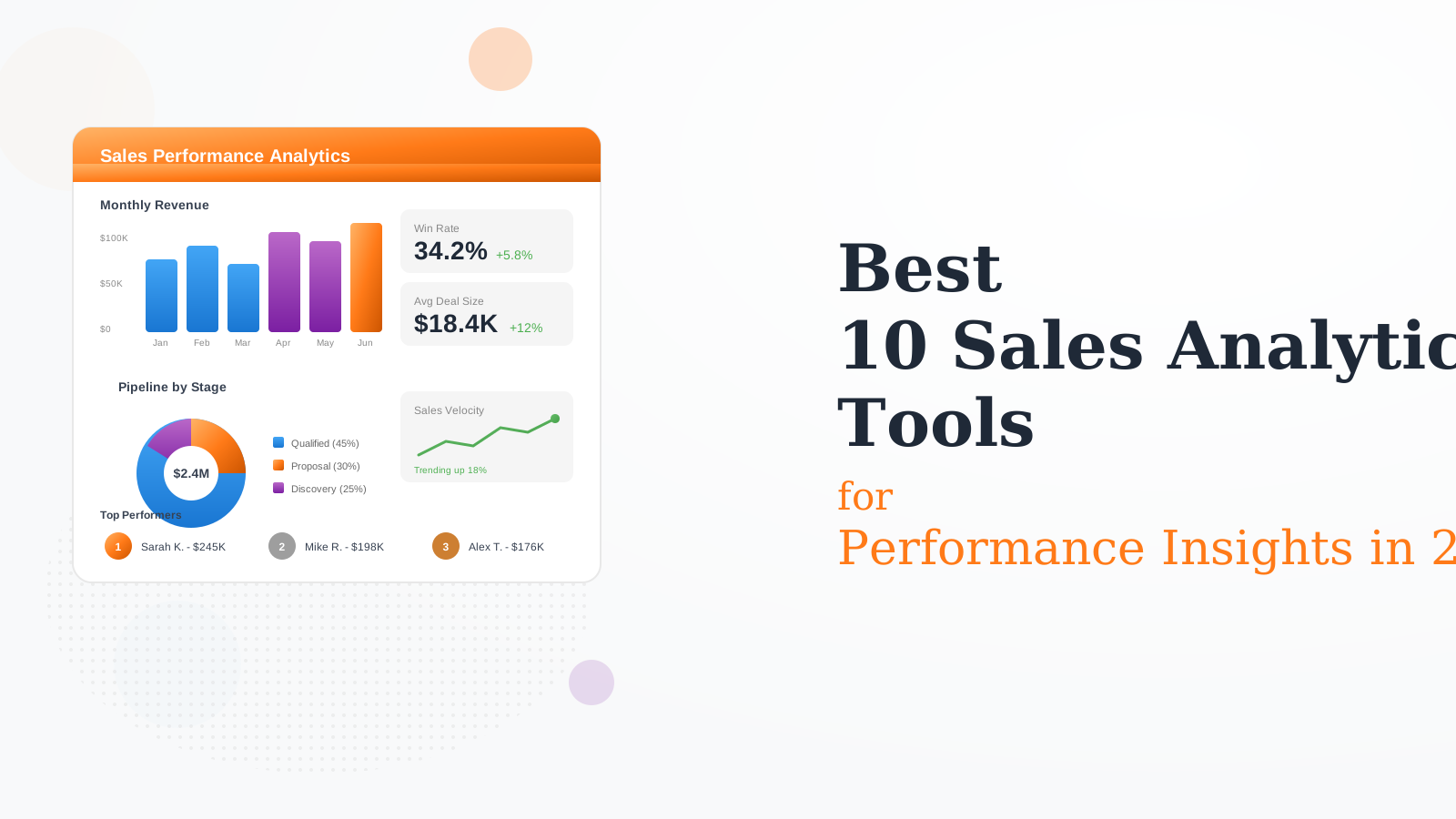
10 Best Sales Analytics Tools for Performance Insights in 2026
Raw CRM data doesn't tell you why deals close or stall. Sales analytics platforms transform pipeline data into insights about rep performance, deal velocity, and revenue trends. We tested 15+ platforms to find the best for data-driven sales leadership.
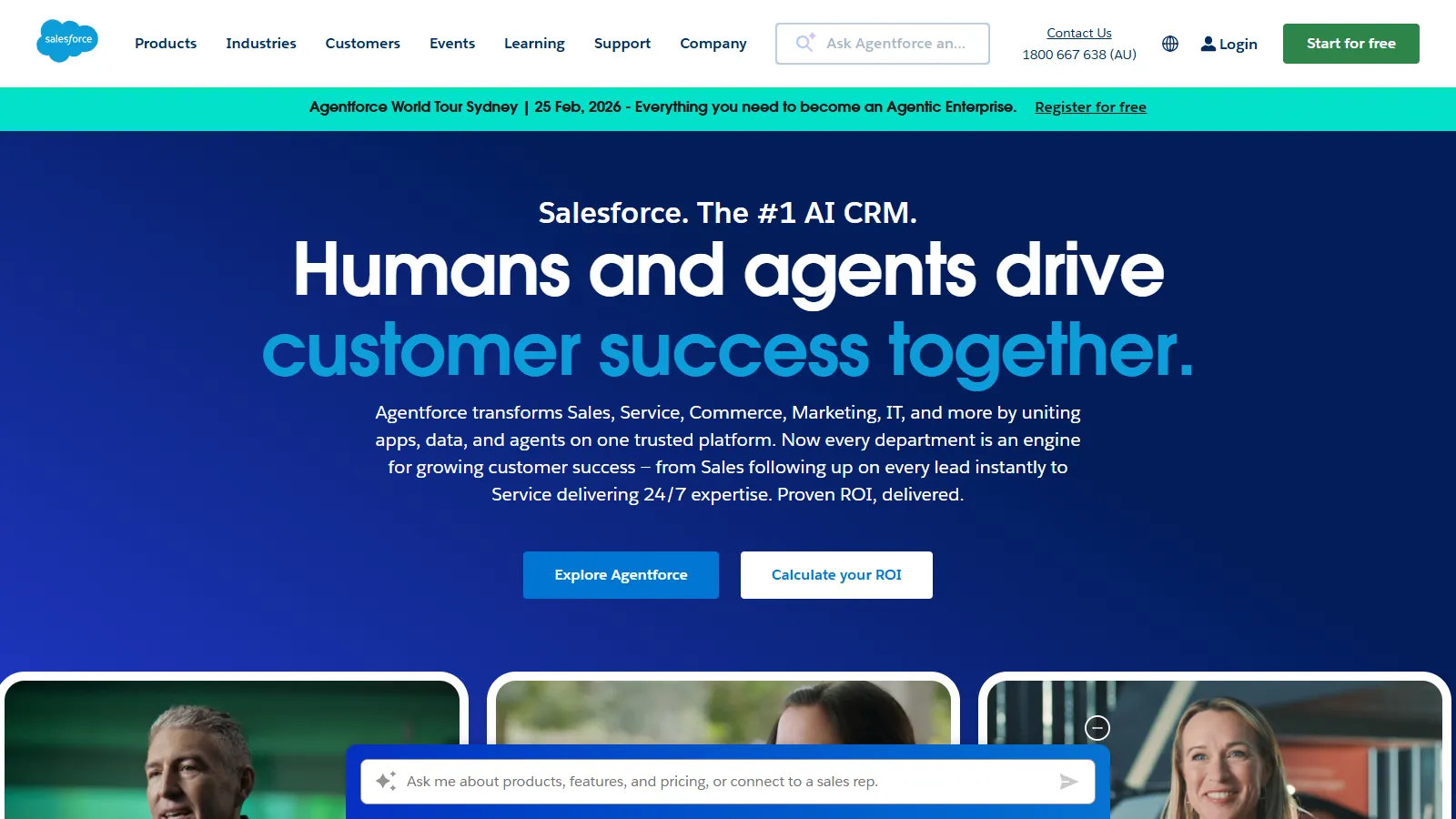
Salesforce CRM Analytics (formerly Tableau CRM/Einstein Analytics) provides native analytics for Salesforce data. Pre-built sales dashboards cover pipeline, quota attainment, and rep performance. Einstein AI surfaces insights and anomalies automatically. The platform lives inside Salesforce, so context is always available. For Salesforce shops, it's the most seamless option.
Starting price$75+/user/mo
Strengths
Native Salesforce integration
Einstein AI-powered insights
Pre-built sales dashboards
Embedded in Salesforce UI
Strong data security
Limitations
Premium pricing
Requires Salesforce platform
Steeper learning curve
Complex for simple needs
Who it's for: Best for Salesforce customers who want native analytics without third-party tools. Ideal for enterprise teams with dedicated analytics resources.
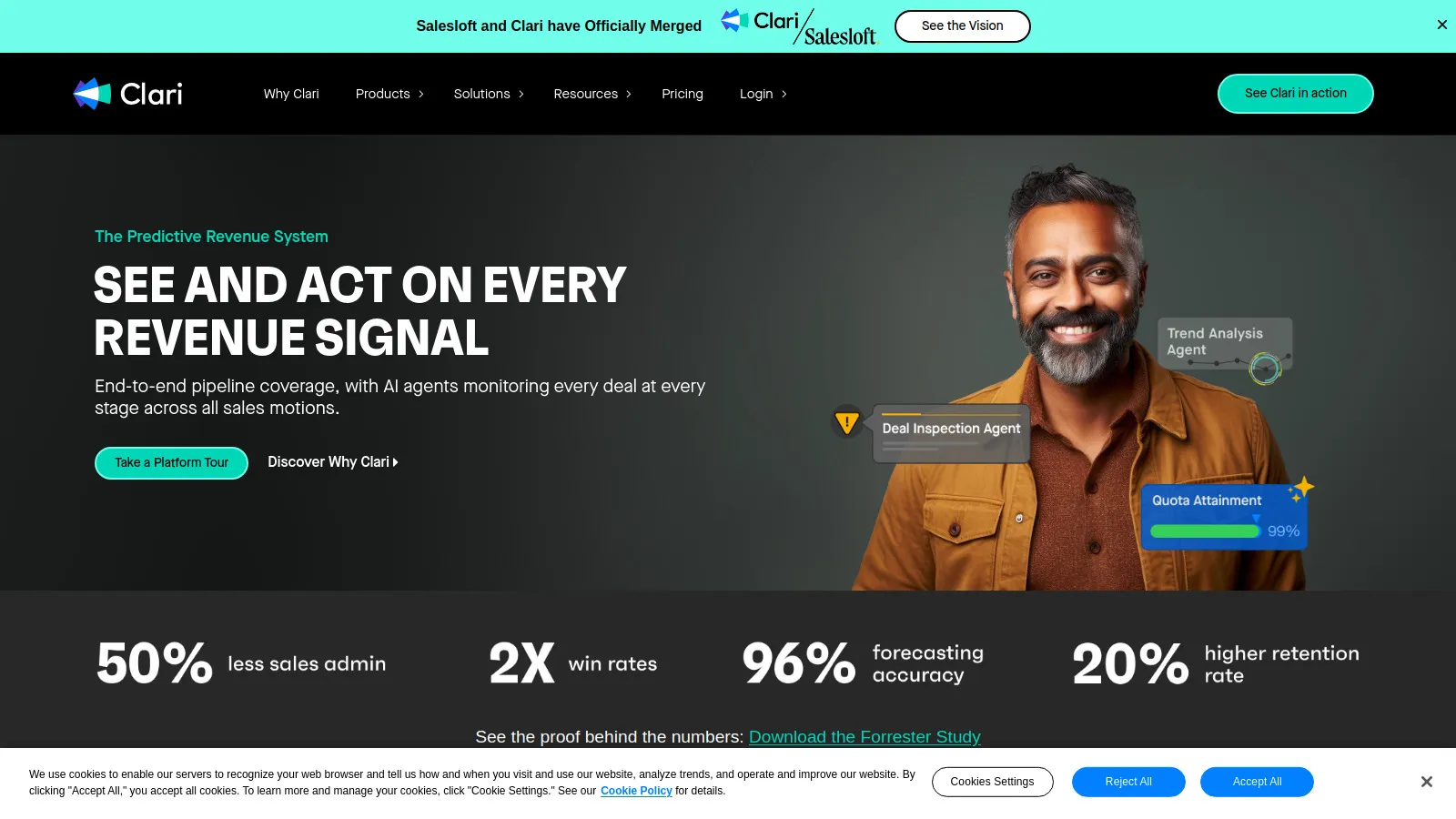
Clari is the revenue operations platform that invented modern sales forecasting. Beyond analytics, it provides complete revenue visibility from pipeline to close. AI-powered forecasting is significantly more accurate than CRM rollups. Deal inspection shows which deals are at risk and why. Revenue intelligence combines activity data with pipeline metrics.
Starting priceCustom
Strengths
Industry-leading forecasting accuracy
Complete revenue visibility
Deal inspection and risk scoring
Activity data integration
Executive reporting
Limitations
Enterprise pricing
Focused on forecasting use case
Requires good CRM hygiene
Complex implementation
Who it's for: Best for enterprise sales organizations where forecasting accuracy is critical. Ideal for revenue operations teams.
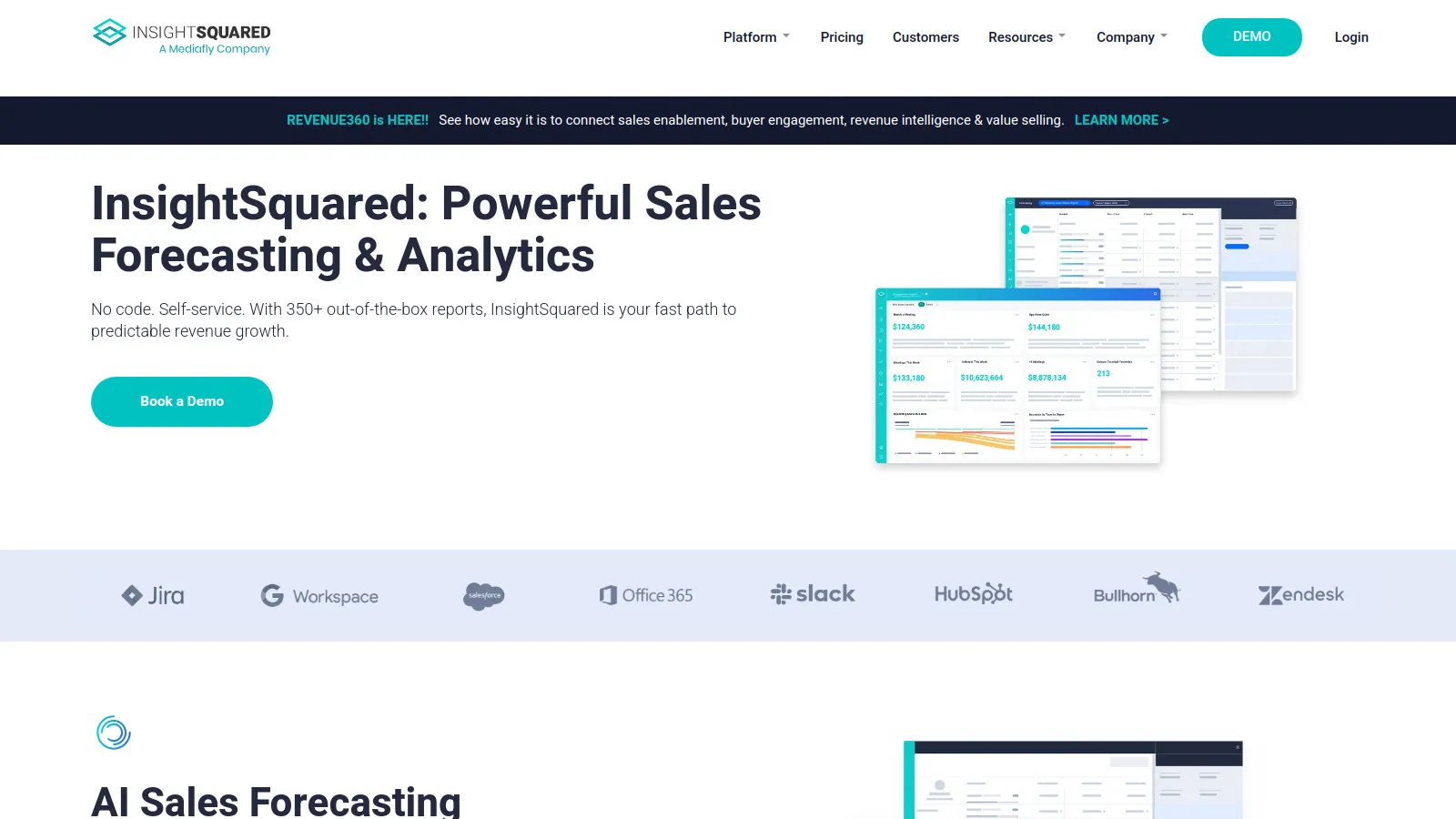
InsightSquared provides revenue intelligence with fast time to value. Pre-built reports cover the metrics sales leaders need without custom development. The platform connects to Salesforce or HubSpot and delivers insights quickly. AI identifies patterns and surfaces recommendations.
Starting priceCustom
Strengths
Fast time to value
Strong pre-built reports
Good Salesforce and HubSpot integration
AI recommendations
Mid-market focused
Limitations
Less customization than BI tools
Focused on pre-built use cases
Enterprise pricing
Who it's for: Best for mid-market sales teams that want quick insights without building custom dashboards.
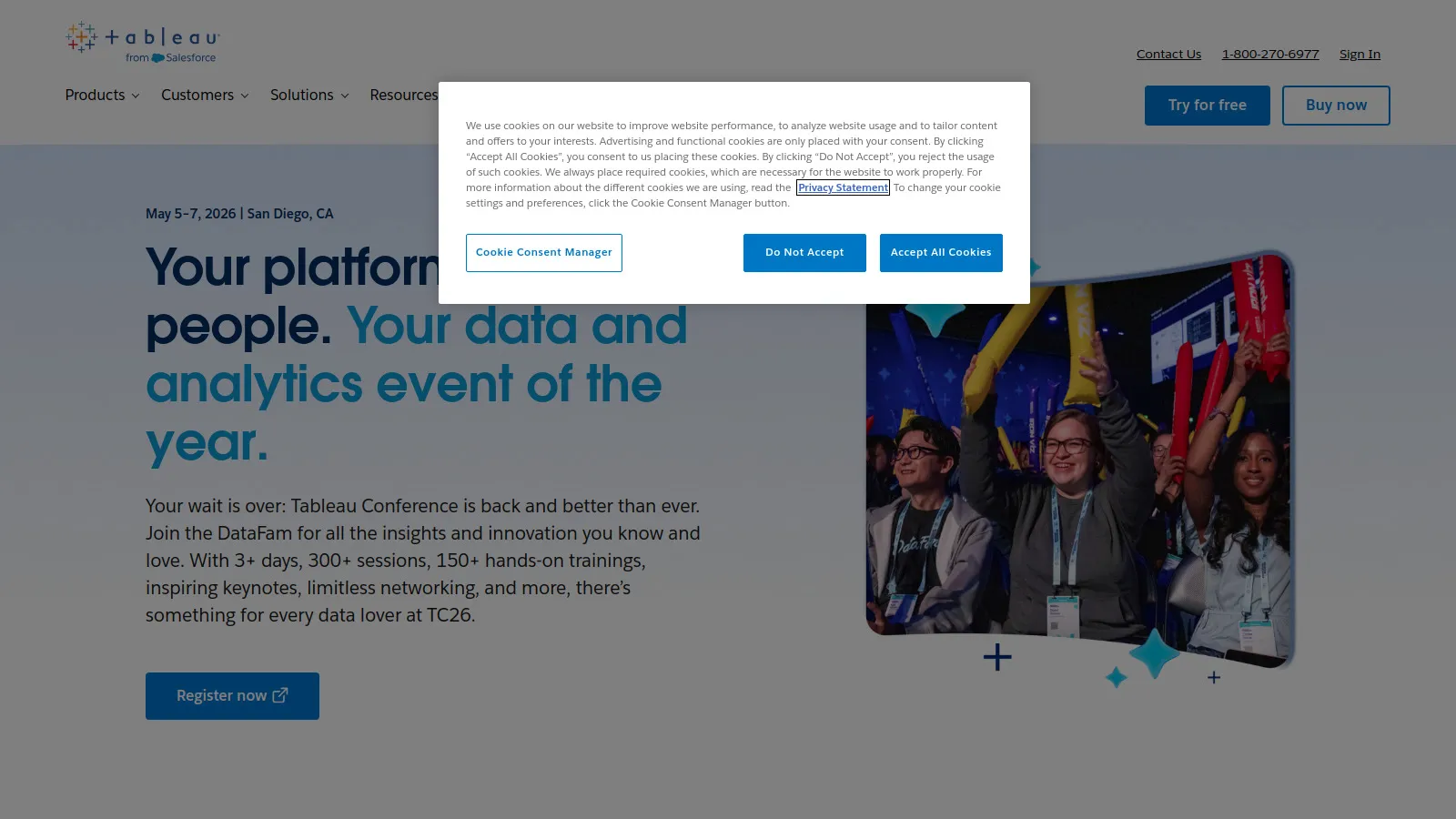
Tableau is the most powerful visualization platform for custom sales analytics. Connect to any data source and build exactly the dashboards you need. The platform handles complex calculations and data blending. For teams with data analysts, Tableau enables any analysis imaginable.
Starting price$70/user/mo
Strengths
Most powerful visualization
Any data source
Custom calculations
Strong community
Embeddable dashboards
Limitations
Requires building dashboards
No sales-specific features
Needs data expertise
Separate from CRM
Who it's for: Best for teams with data analysts who need custom visualizations beyond pre-built solutions.
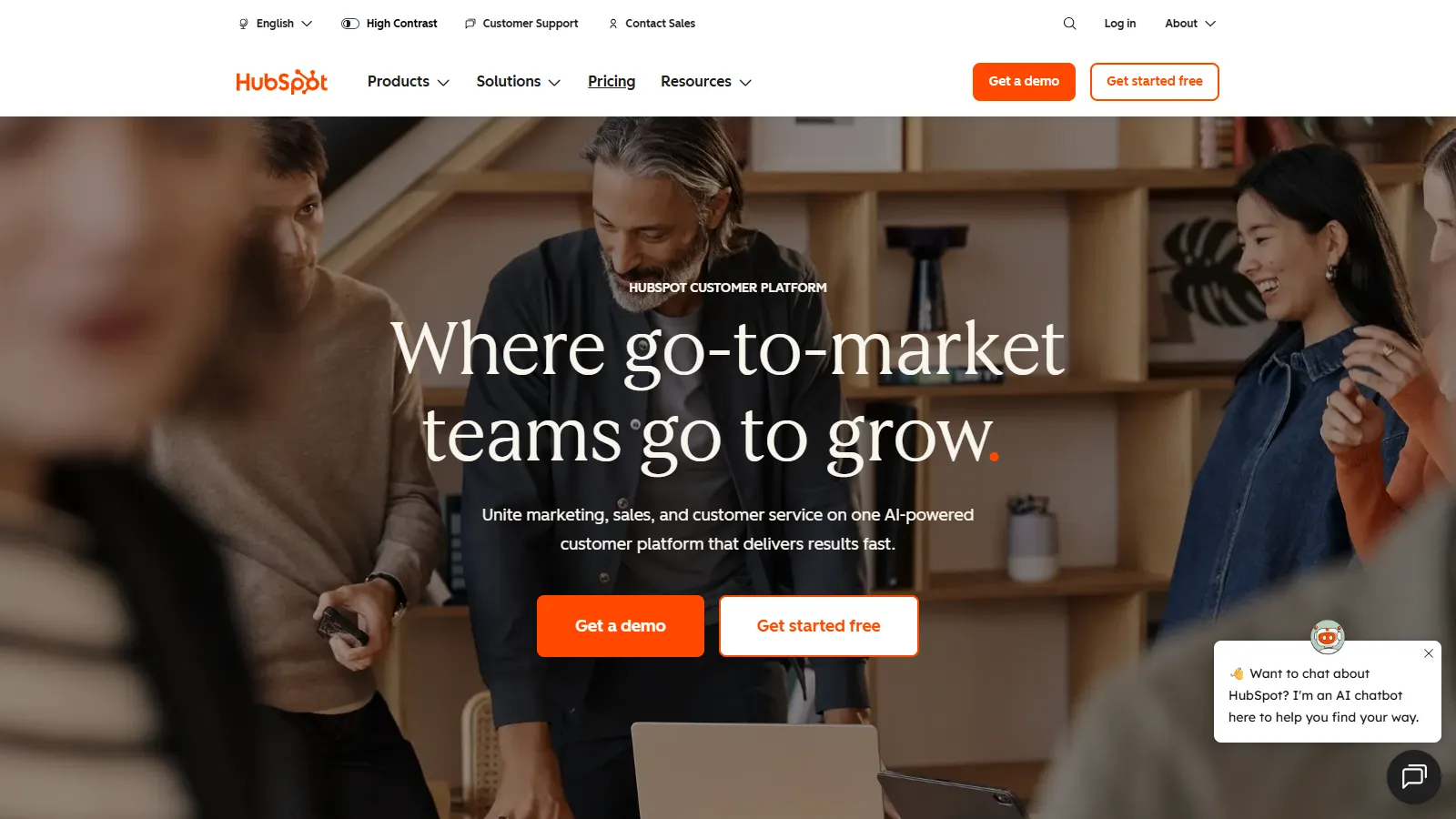
HubSpot's built-in analytics provide sales insights without additional tools. Native dashboards cover deals, pipeline, and rep performance. Custom reports build on HubSpot data with drag-and-drop ease. For HubSpot customers, it's the simplest way to get sales analytics.
Strengths
Native HubSpot integration
Easy to use
Included with Sales Hub
Custom report builder
Good for SMBs
Limitations
Limited to HubSpot data
Less powerful than BI tools
Some reports need Pro/Enterprise
Who it's for: Best for HubSpot customers who want analytics without additional vendors or complexity.
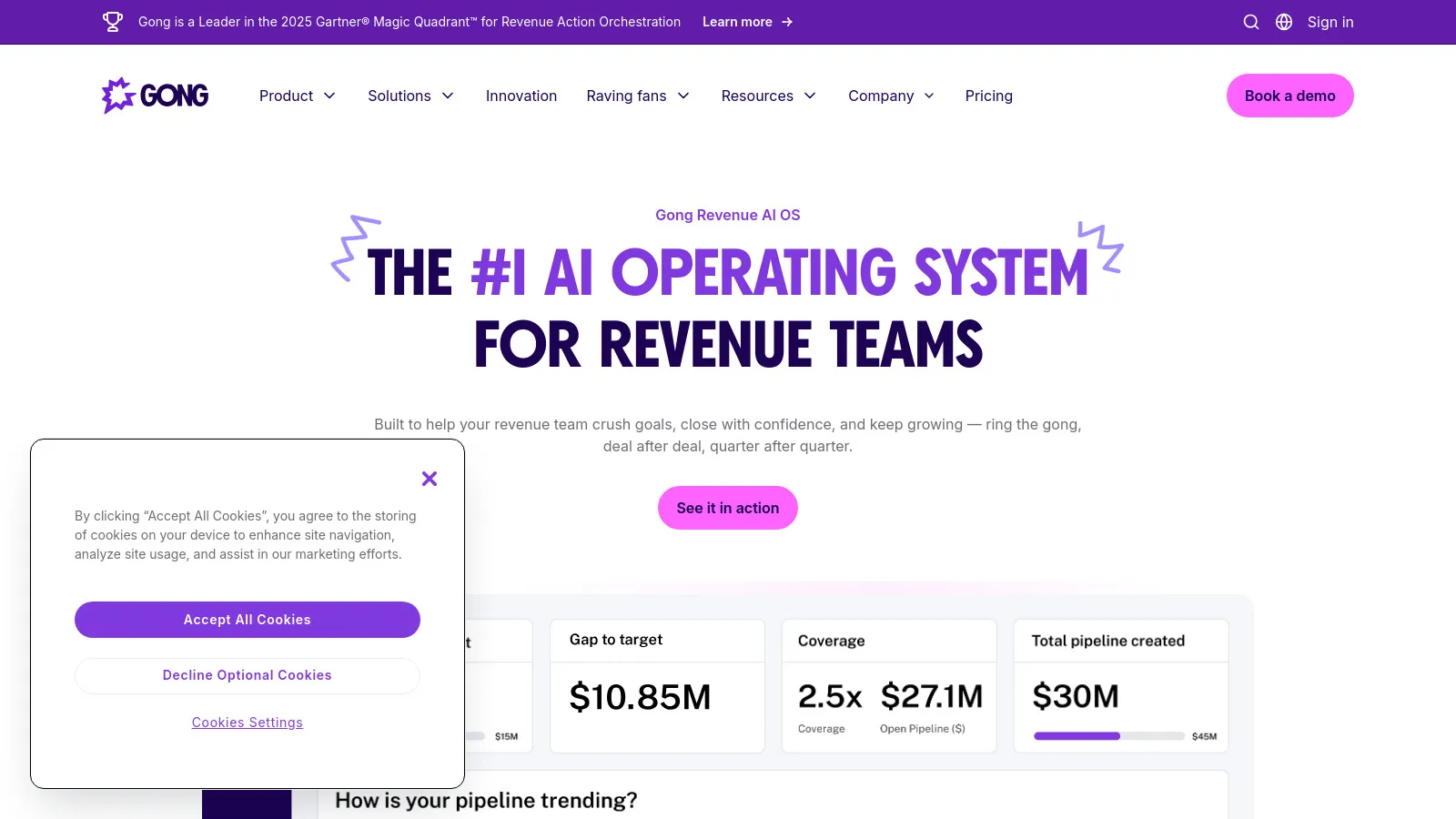
Gong uniquely combines conversation data with pipeline analytics. Deal health scores incorporate what's actually said on calls, not just CRM fields. The platform identifies which deals are at risk based on conversation patterns. Forecasting is informed by real buyer engagement.
Strengths
Unique conversation data
Deal health from real interactions
Identifies at-risk deals
Activity-based insights
Forecast accuracy
Limitations
Requires Gong conversation platform
Enterprise pricing
Focused on conversation data
Who it's for: Best for teams using Gong who want analytics that incorporate conversation intelligence.
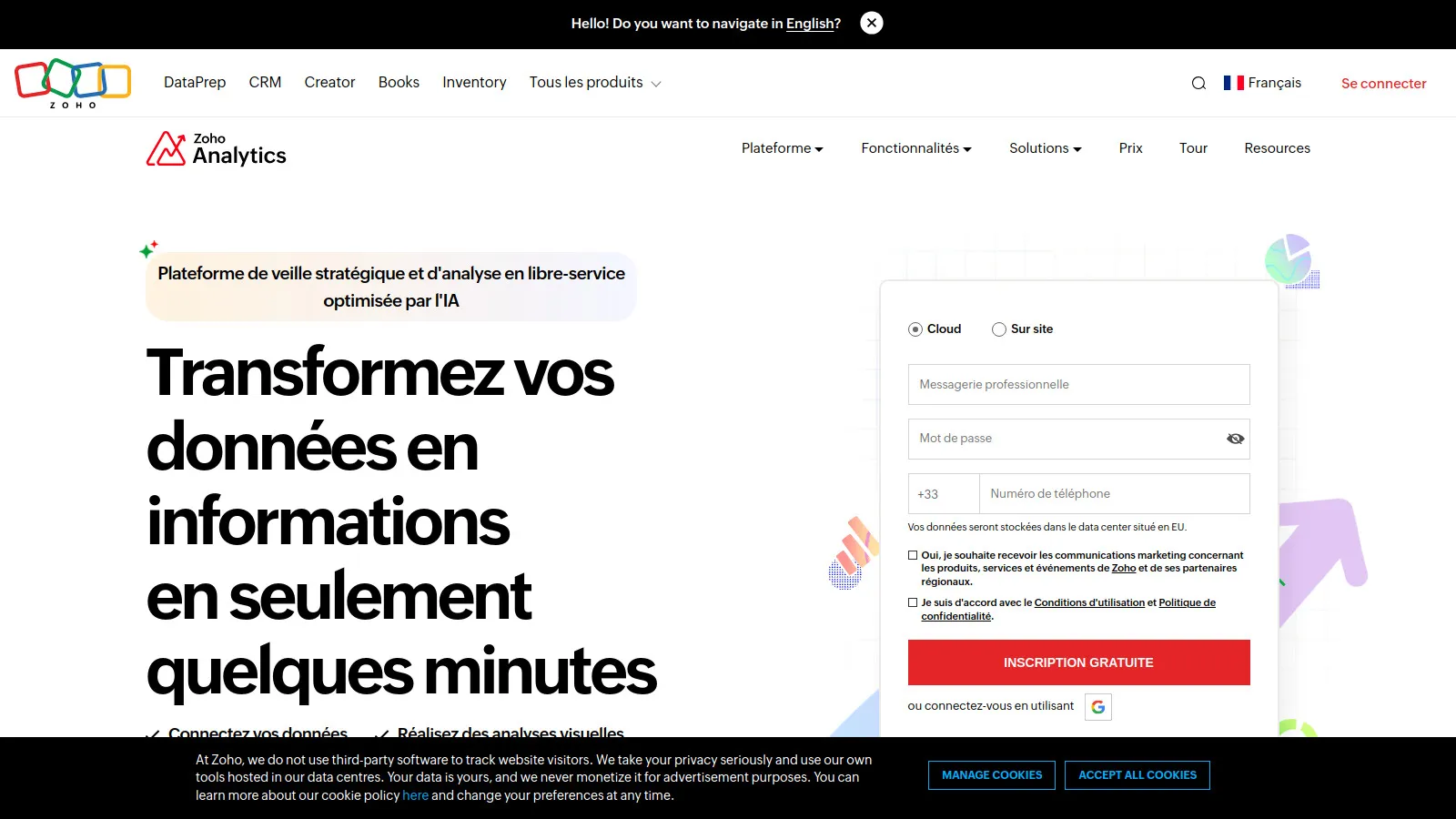
Zoho Analytics provides full-featured BI at a fraction of enterprise pricing. Connect to Zoho CRM natively or any other CRM via connectors. AI insights through Zia surface patterns and anomalies. For budget-conscious teams, it delivers serious analytics capability.
Starting price$24/user/mo
Strengths
Best value pricing
Works with any CRM
Zia AI insights
Good customization
Zoho ecosystem
Limitations
Less polished than premium tools
Fewer integrations
Basic forecasting
Who it's for: Best for budget-conscious teams that need real analytics capabilities without enterprise pricing.
Power BI is Microsoft's BI platform with exceptional value for Microsoft shops. DAX formula language enables complex calculations. Native integration with Dynamics and other Microsoft tools. The $10/user/month pricing makes it the most affordable enterprise BI option.
Starting price$10/user/mo
Strengths
Excellent value pricing
Microsoft ecosystem integration
Powerful DAX calculations
Strong data modeling
Large community
Limitations
Requires building dashboards
No sales-specific features
Complex for non-analysts
Best with Microsoft stack
Who it's for: Best for Microsoft shops with data analysts who can build custom sales dashboards.
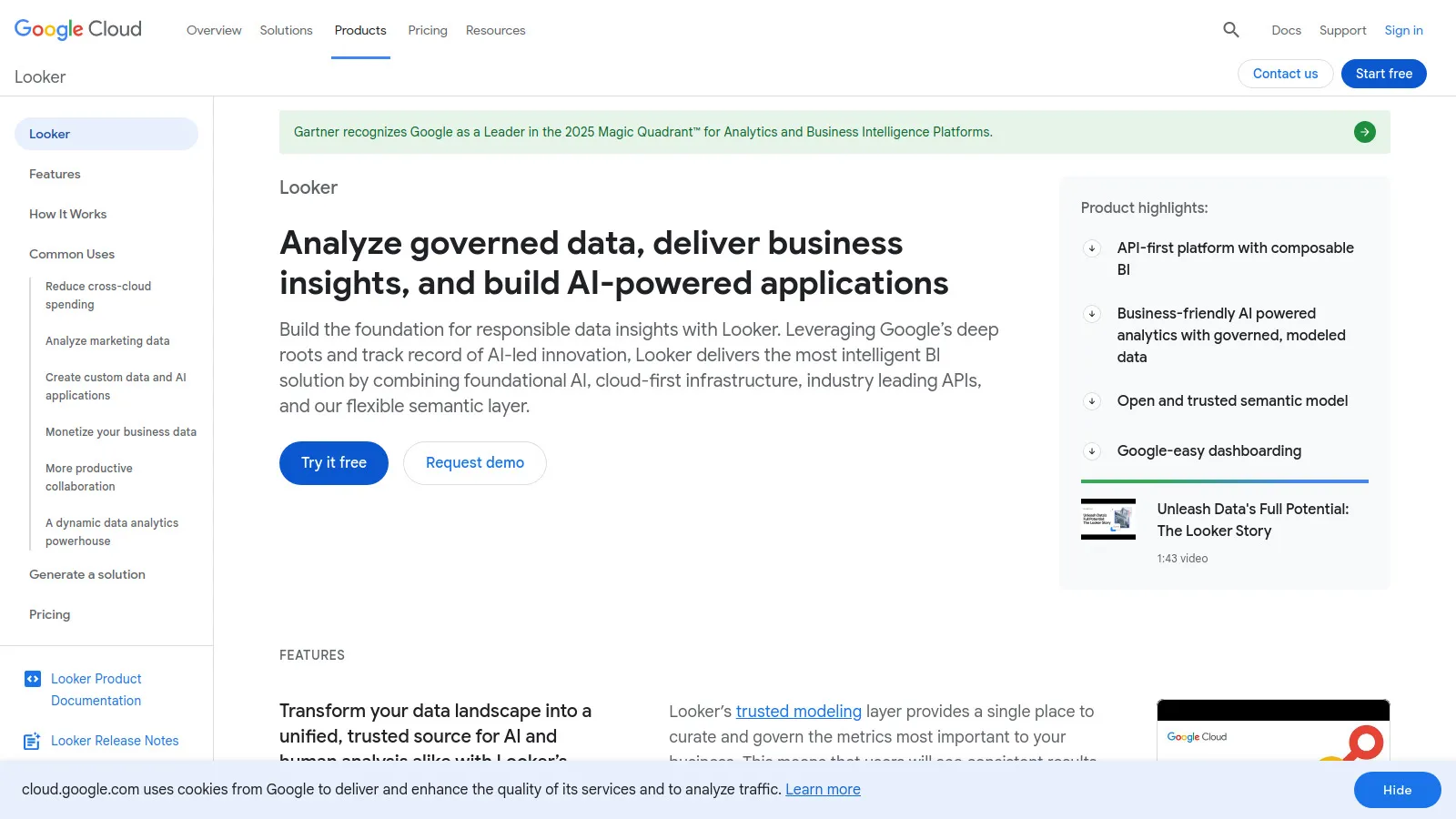
Looker (Google Cloud) provides enterprise BI with a powerful semantic modeling layer. LookML defines metrics once for consistent reporting. Embedded analytics enable building data products. For companies with data teams, Looker enables governed self-service analytics.
Starting priceCustom
Strengths
Powerful semantic layer
Consistent metric definitions
Embeddable dashboards
Google Cloud integration
Enterprise governance
Limitations
Requires data engineering
Enterprise pricing
Complex implementation
No sales-specific features
Who it's for: Best for enterprises with data teams that need governed, consistent analytics across the organization.
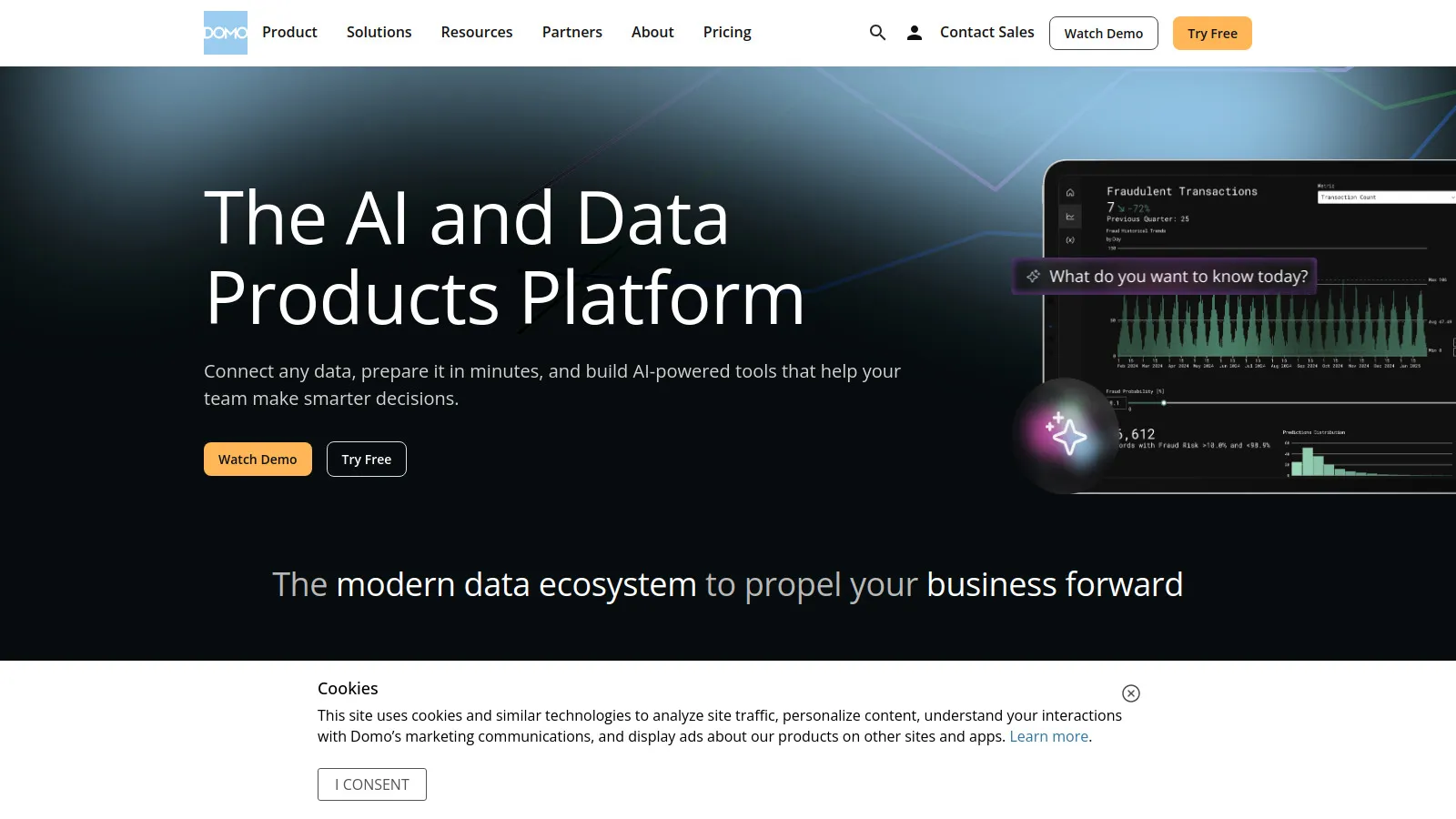
Domo provides real-time business intelligence with a mobile-first approach. Data updates in real-time rather than scheduled refreshes. The platform is designed for business users, not just analysts. Data apps enable building custom solutions.
Starting priceCustom
Strengths
Real-time data updates
Strong mobile experience
Business user friendly
Data apps platform
Pre-built connectors
Limitations
Enterprise pricing
Less technical depth
Smaller ecosystem
Custom pricing complexity
Who it's for: Best for teams that need real-time data updates and strong mobile access to sales analytics.
We assessed each platform on real-world sales analytics use cases:
Time to Value (25%) — Speed of implementation and getting actionable insights from CRM data.
Pre-built Sales Reports (25%) — Quality and depth of out-of-box pipeline and performance reports.
Customization (20%) — Ability to build custom metrics, dashboards, and visualizations.
AI and Insights (15%) — Automated insights, anomaly detection, and predictive capabilities.
Value for Money (15%) — Features and capabilities relative to pricing.
How to Choose
Choose Salesforce CRM Analytics if you need Salesforce customer.
Choose Clari if you need Forecasting focus.
Choose InsightSquared if you need Fast time to value.
Choose Tableau if you need Custom visualizations.
Choose HubSpot Analytics if you need HubSpot customer.
Choose Gong if you need Conversation + pipeline data.
Choose Zoho Analytics if you need Budget-conscious.
Choose Power BI if you need Microsoft shop.
Choose Domo if you need Real-time data needs.
Common Questions
Essential metrics include: pipeline coverage ratio, win rate by stage, average deal size, sales cycle length, quota attainment, and activity metrics. Start with these, then add custom metrics based on your sales process.
CRM reporting works for basic needs. Separate analytics tools add value when you need: multiple data sources, complex calculations, advanced visualization, or AI insights. Start with CRM reporting and upgrade when you hit limits.
Analytics are only as good as the data. Enforce required fields at deal stages, use validation rules, conduct regular data audits, and make CRM updates part of manager reviews. Consider tools that auto-capture activity data.
BI tools (Tableau, Power BI) require building custom dashboards but work with any data. Revenue intelligence platforms (Clari, InsightSquared) have pre-built sales reports but less customization. Choose based on your resources and needs.