

Key Takeaways
- •Location specificity wins: "Best plumbers in Austin" pages outperform generic lists by 4x in local pack appearances and AI citations
- •Credibility signals are local: BBB ratings, local awards, years serving the community, and recognizable local references build trust
- •Conversion-first design: Local searchers have immediate intent—phone numbers, maps, and booking widgets should be prominent
- •Neighborhood targeting: Sub-city targeting ("best dentists near downtown") captures hyper-local searches with lower competition
Local best-of pages capture some of the highest-intent traffic on the web. When someone searches "best pizza near me" or "top-rated electricians in Denver," they're often ready to buy within hours, not weeks. For local businesses and publishers, ranking for these queries means capturing customers at the exact moment of decision.
This playbook covers how to build local best-of pages that rank in traditional search, appear in local packs, and get cited by AI answer systems. We'll explore location-aware content structure, local credibility signals, conversion optimization for immediate-intent visitors, and the update strategies that maintain local relevance.
Understanding Local Search Intent#
Local searchers behave differently than those evaluating national brands or SaaS tools. Their timeline is compressed, their criteria are practical, and their decision factors are often proximity-dependent.
This urgency shapes everything about your page structure. Unlike SaaS comparisons where readers might bookmark and return, local searchers need actionable information immediately.
Do
- ✓Put phone numbers and addresses above the fold
- ✓Include real-time availability when possible
- ✓Show distance from common landmarks or neighborhoods
- ✓Feature reviews mentioning specific service experiences
Don't
- ✕Bury contact information in lengthy descriptions
- ✕Use generic stock photos instead of actual locations
- ✕Ignore mobile experience—most local searches are mobile
- ✕Forget that "near me" means different things in different cities
Building Location-Aware Page Structure#
Local best-of pages need to demonstrate genuine local knowledge. Generic lists that could apply anywhere lack the credibility signals that both readers and search engines use to evaluate local relevance.
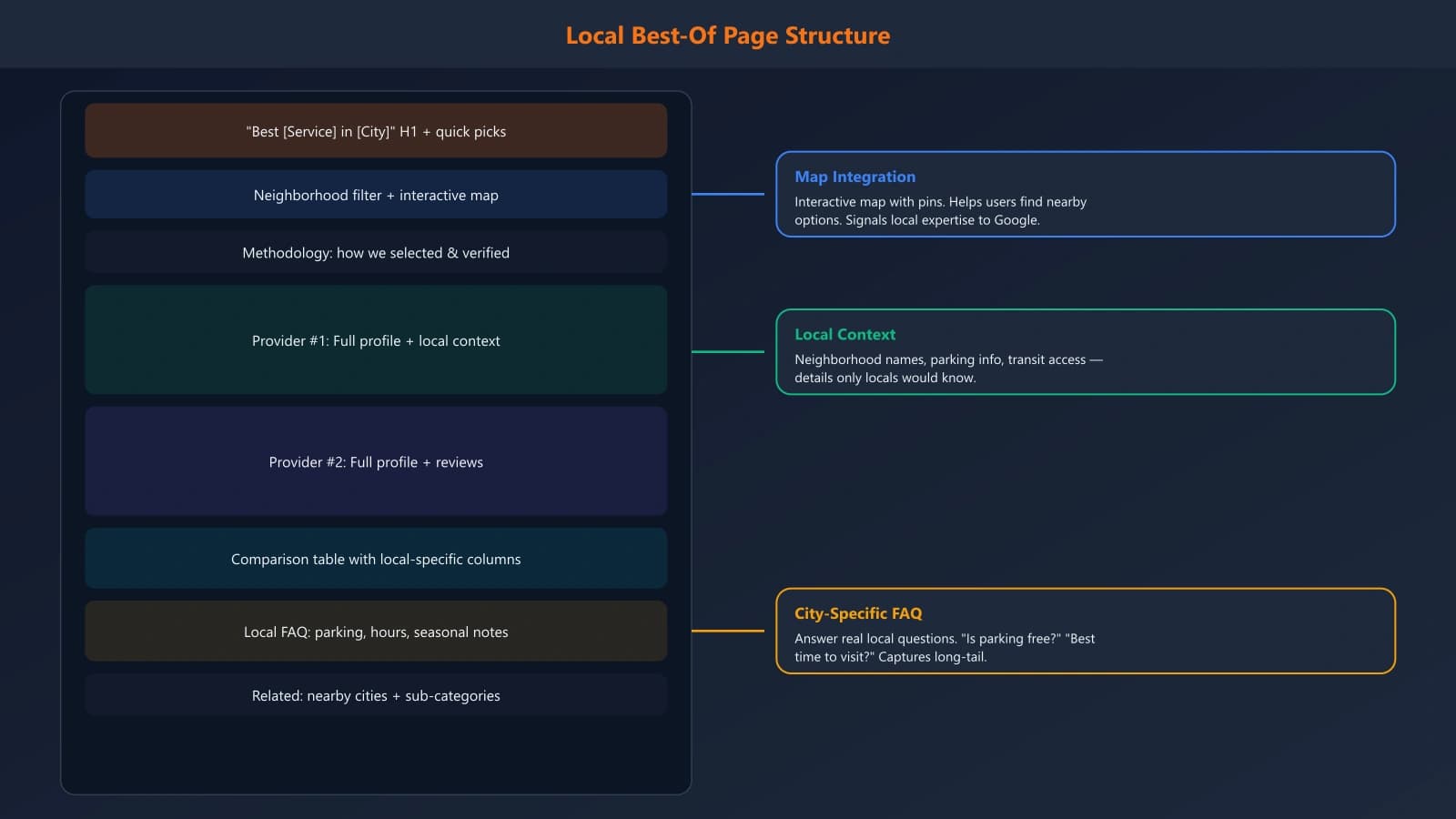
Figure 1: Location-aware structure for local best-of pages
Geographic Targeting Strategies#
| Approach | Example | Best For | Keyword Volume | |
|---|---|---|---|---|
| City-level | Best plumbers in Austin | Major metros | High | |
| Neighborhood | Best brunch spots in Capitol Hill | Large cities | Medium | |
| Region/County | Best wedding venues in Sonoma County | Suburban areas | Medium | |
| Multi-city | Best roofing companies in DFW | Metro areas | High |
Neighborhood Strategy
Credibility Signals for Local Audiences#
Local credibility looks different than national brand trust. Readers want to know you actually understand their community—not just that you scraped Yelp data into a listicle.
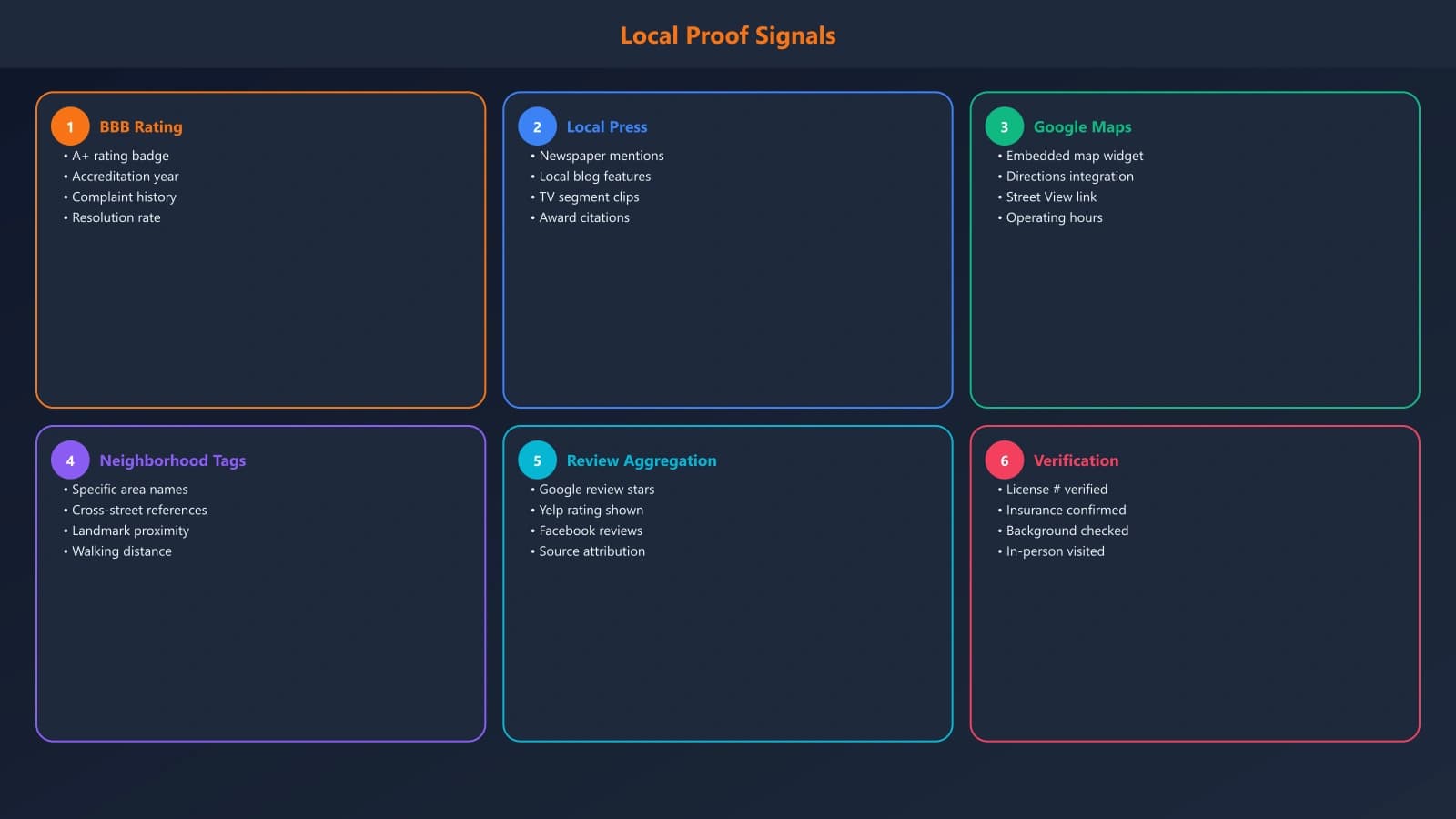
Figure 2: Local credibility signals that build trust
The most effective local pages weave location context throughout, not just in headers. Mentioning that a restaurant "has been a downtown staple since 1987" or that a plumber "serves the entire East Side including Riverside and Mueller" demonstrates genuine local knowledge.
Conversion-First Design for Local Intent#
Local searchers have immediate needs. Every second of friction between finding your page and taking action costs conversions. Your page design should prioritize actionability above all else.
- 1Click-to-Call ButtonsMobile-prominent phone links for every listed business. Test that they work on mobile.
- 2Embedded MapsInteractive maps showing all locations with directions links. Essential for multi-location lists.
- 3Hours & AvailabilityCurrent hours, "open now" indicators, and appointment availability when possible.
- 4Quick FiltersLet users filter by neighborhood, service type, or availability. Reduce decision friction.
- 5Mobile-First Layout60%+ of local searches are mobile. Design for thumb navigation and quick scanning.
Mobile Experience is Critical
Schema Markup for Local Best-of Pages#
Local schema helps search engines understand the geographic context of your content and can improve local pack visibility. Combine ItemList schema with LocalBusiness markup for best results.
{
  "@context": "https://schema.org",
  "@type": "ItemList",
  "name": "Best Plumbers in Austin, TX",
  "description": "Top-rated plumbing services in Austin",
  "itemListElement": [
    {
      "@type": "ListItem",
      "position": 1,
      "item": {
        "@type": "LocalBusiness",
        "@id": "https://example.com/plumber-1",
        "name": "Austin Expert Plumbing",
        "address": {
          "@type": "PostalAddress",
          "streetAddress": "123 Main St",
          "addressLocality": "Austin",
          "addressRegion": "TX",
          "postalCode": "78701"
        },
        "aggregateRating": {
          "@type": "AggregateRating",
          "ratingValue": "4.9",
          "reviewCount": "127"
        }
      }
    }
  ]
}
Maintaining Local Relevance Over Time#
Local businesses change frequently—they close, relocate, change ownership, or adjust their service areas. Outdated information damages both user experience and search credibility.
Local Content Update Schedule
Verify Core Information
Check that all businesses are still operating, hours are current, phone numbers work
Rating Updates
Refresh Google ratings, review counts, and any aggregate scores
Full Audit
Evaluate if rankings are still accurate, add new entrants, remove closures
Category Review
Consider if the category is still relevant or needs restructuring
Set up Google Alerts for business names in your lists. When a local business makes news—expansion, closure, ownership change—you'll know to update. This responsiveness signals freshness to both readers and search engines.
Frequently Asked Questions#
How many businesses should I include in a local best-of list?
For local lists, 5-10 is typically ideal. Too few looks incomplete; too many overwhelms local searchers who want quick decisions. Consider your category—restaurant lists can go longer than specialized services.
Should I include businesses that pay for placement?
If you include sponsored placements, clearly label them and don't let payment affect your editorial rankings. Mixing paid and organic listings without disclosure destroys trust and may violate FTC guidelines.
How do I build local pages without living in every city?
Partner with local contributors, use structured data from Google Business Profiles, and verify information with direct business contact. Generic scraping without local knowledge produces low-quality pages that don't rank.
Should I target "near me" keywords?
Not directly—"near me" queries are resolved by Google based on searcher location. Instead, target specific location names (cities, neighborhoods) and ensure your page has proper geographic schema to appear for location-modified queries.
Conclusion: Winning Local Best-of Rankings#
Local best-of pages capture buyers at the moment of decision. The pages that win these valuable rankings combine genuine local knowledge with conversion-optimized design and ongoing maintenance. Generic lists scraped from review sites can't compete with locally-informed content that truly helps residents find the best options.
- Demonstrate local knowledge: Use neighborhood references, local context, and community credibility signals
- Optimize for action: Click-to-call, embedded maps, and mobile-first design capture immediate intent
- Use local schema: Combine ItemList with LocalBusiness markup for better local visibility
- Maintain freshness: Monthly verification prevents the outdated information that kills local trust
- Target strategically: Start with neighborhoods before competing for city-wide queries
Sources & References
- Google. Local Consumer Search Behavior Study (2024)
- Whitespark. Local SEO Ranking Factors (2024)
- BrightLocal. Mobile Search Behavior Report (2024)

Product Manager at BestPage. Pioneer in AEO research since 2024, exploring the convergence of SEO and GEO (Generative Engine Optimization). Led multiple AI-powered content optimization projects that achieved 300%+ citation increases in ChatGPT and Perplexity.