

Key Takeaways
- •Experience is demonstrable: Show you've actually used the tools—testing screenshots, specific observations, and hands-on commentary signal real experience
- •Expertise requires credentials: Author bios with relevant background, not just names, build expertise signals
- •Authority comes from recognition: Citations, backlinks, and industry acknowledgment demonstrate authority over time
- •Trust requires transparency: Disclosure of affiliates, methodology, and limitations builds trust more than hiding potential conflicts
EEAT signals on best-of pages determine whether Google treats your content as authoritative comparison or thin affiliate content. Experience, Expertise, Authoritativeness, and Trustworthiness aren't just abstract concepts—they're demonstrable through specific page elements that quality raters and algorithms evaluate.
This guide covers practical ways to build EEAT signals into your best-of pages. We'll focus on actionable elements you can implement immediately, from author credentials to testing documentation, that collectively signal genuine expertise to both readers and search systems.
Experience Signals: Proving You've Used the Tools#
The "Experience" component of EEAT evaluates whether creators have first-hand knowledge. For best-of pages, this means demonstrating you've actually tested the tools rather than summarizing marketing materials.
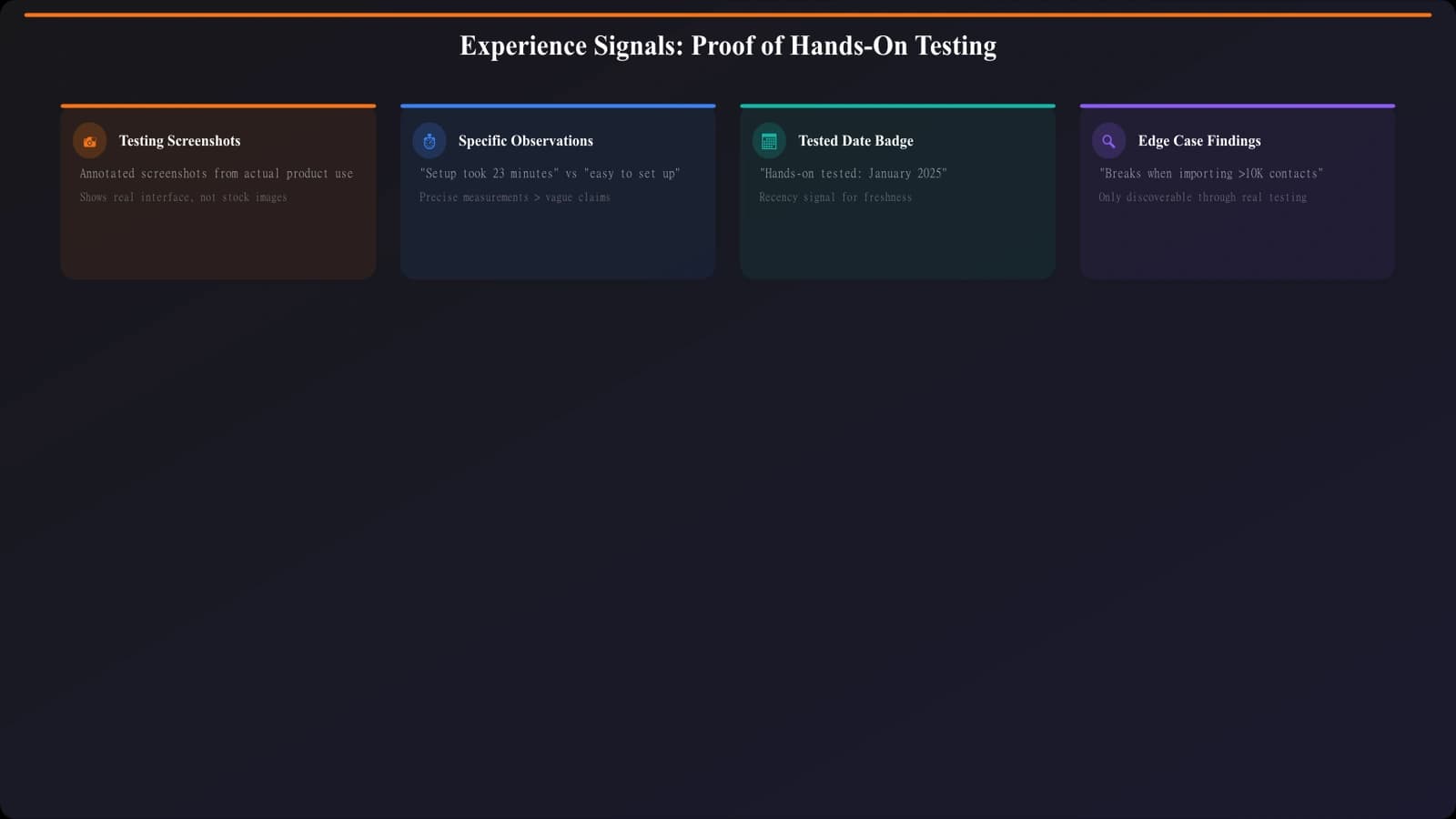
Figure 1: Experience signals through testing evidence
Expertise Signals: Demonstrating Qualifications#
Expertise signals show that the author has the background to evaluate tools competently. This isn't about being famous—it's about demonstrating relevant knowledge and credentials.
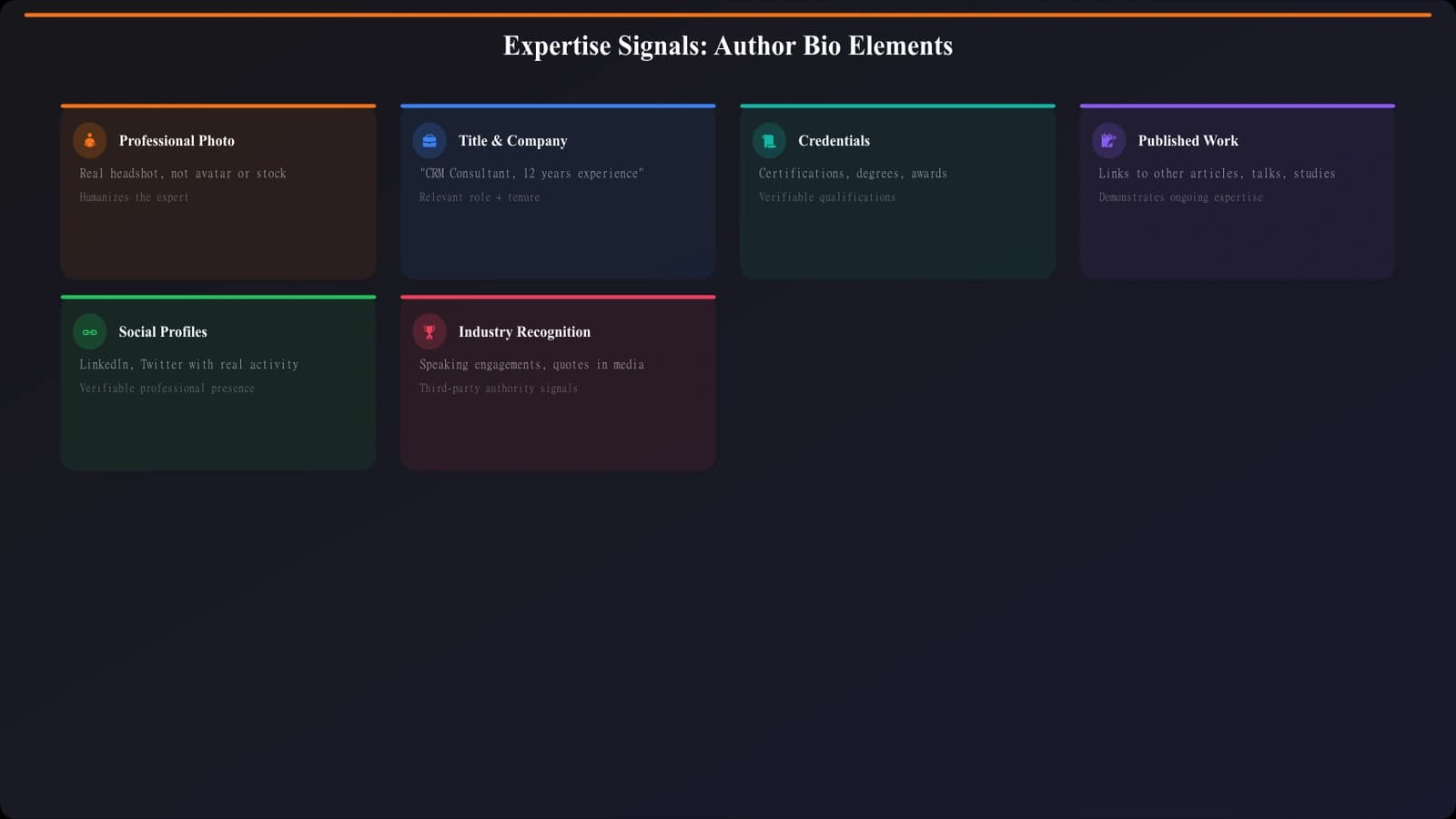
Figure 2: Expertise signals through author presentation
- 1Detailed Author BiosFull name, professional background, relevant experience. "John Smith, 10+ years in project management" beats "by Staff Writer"
- 2Relevant CredentialsCertifications, degrees, or professional experience relevant to the category being evaluated
- 3Portfolio of WorkLink to other content by the author. Consistent expertise across topics builds credibility
- 4Industry ParticipationSpeaking engagements, published research, community involvement in the space
- 5Schema MarkupPerson schema with sameAs links to professional profiles (LinkedIn, company pages)
Expert Contributor Model
Authoritativeness: Building Recognition#
Authority is earned over time through external recognition. While you can't manufacture authority overnight, you can build pages that are more likely to earn citations, links, and references.
Do
- ✓Create comprehensive, linkable methodology sections
- ✓Produce original research that others cite
- ✓Build relationships with industry publications
- ✓Maintain consistent quality that earns natural links
Don't
- ✕Claim authority you haven't earned
- ✕Focus on link building over content quality
- ✕Ignore industry coverage opportunities
- ✕Let content become stale and outdated
Authority signals include external links to your content, mentions in industry publications, citations in other comparison content, and consistent brand presence in your category. These develop over time as quality content earns recognition.
Trust Signals: Transparency and Disclosure#
Trust is built through transparency. Readers and algorithms are increasingly sophisticated at detecting hidden biases. Proactive disclosure of potential conflicts paradoxically increases trust more than attempting to hide them.
- Affiliate relationship disclosure at top of page
- Editorial independence statement
- Methodology section explaining ranking logic
- Update history and last-reviewed dates
- Contact information for corrections
- Privacy policy and terms accessible
| Trust Element | What to Include | Placement | |
|---|---|---|---|
| Affiliate Disclosure | Which links earn commission, how it doesn't affect rankings | Top of page, before content | |
| Methodology Link | How you evaluated, tested, scored | Near rankings, linked prominently | |
| Update Information | Last tested date, last content update | Near title or in sidebar | |
| Author Information | Full bio, credentials, contact | Byline area, expanded in footer | |
| Correction Policy | How to report errors, update process | Footer or about page |
Implementing EEAT Signals#
EEAT signals should be woven throughout your page, not added as an afterthought. Here's how to structure a best-of page with EEAT built in.
- 1Header AreaAuthor byline with credentials, last updated date, testing period noted
- 2IntroductionEstablish experience context—how you've used these tools, why you're qualified
- 3Methodology SectionTransparent explanation of criteria, weights, testing approach
- 4Individual ReviewsTesting observations, original screenshots, specific experience details
- 5Disclosure BlockAffiliate relationships, potential biases, independence statement
- 6Author BioFull credentials, other work, professional background
Frequently Asked Questions#
Do I need expert authors for every best-of page?
Not necessarily—but you need demonstrable experience. An author who has genuinely tested tools extensively can build EEAT even without formal credentials. The key is showing real first-hand knowledge.
How do I build authority for a new site?
Focus on depth and quality that earns natural citations over time. Create original research, comprehensive methodologies, and genuinely useful comparisons. Authority follows quality, not the reverse.
Will disclosure hurt conversions?
Research consistently shows transparent disclosure increases trust and doesn't significantly hurt conversion rates. Readers assume affiliate relationships anyway—disclosure just confirms your honesty.
How much testing is enough for experience signals?
Enough that you can make specific observations only possible from real usage. If your review could be written from marketing materials alone, you haven't tested enough.
Conclusion#
EEAT signals transform best-of pages from affiliate content into authoritative resources. By demonstrating genuine experience, relevant expertise, earned authority, and transparent trustworthiness, you create content that satisfies both quality guidelines and reader expectations. The investment in EEAT pays dividends in rankings, citations, and reader trust.
- Show experience: Testing screenshots, specific observations, dated evaluations
- Demonstrate expertise: Author credentials, relevant background, portfolio of work
- Build authority: Create citable content, earn recognition over time
- Establish trust: Disclose affiliates, publish methodology, enable corrections
- Integrate throughout: EEAT elements should permeate the page, not be afterthoughts
Sources & References
- Google. Google Search Quality Rater Guidelines (2024)
- Search Engine Journal. E-E-A-T and Quality Content Research (2024)

Product Manager at BestPage. Pioneer in AEO research since 2024, exploring the convergence of SEO and GEO (Generative Engine Optimization). Led multiple AI-powered content optimization projects that achieved 300%+ citation increases in ChatGPT and Perplexity.