

Key Takeaways
- •Bias is inevitable but manageable: Every evaluator has preferences—the goal is systems that minimize bias impact, not pretending it doesn't exist
- •Rubrics reduce subjective drift: Defined scoring criteria prevent inconsistent evaluation across tools and over time
- •Disclosure defuses suspicion: Transparent acknowledgment of potential biases (affiliates, personal history) builds more trust than hiding them
- •Processes beat intentions: Good intentions don't prevent bias—consistent processes and checklists do
Bias in best-of rankings undermines credibility whether or not readers consciously recognize it. Financial incentives, personal preferences, familiarity bias, and even the order you tested tools can skew results. The solution isn't claiming objectivity—it's implementing processes that minimize bias and disclosing what can't be eliminated.
This guide covers practical bias reduction strategies for best-of pages. From scoring rubrics to exclusion policies, these processes help produce rankings that genuinely reflect quality rather than evaluator preferences or commercial interests.
Common Types of Ranking Bias#
Understanding where bias enters helps you design countermeasures. Most ranking bias falls into recognizable categories with known mitigation strategies.
| Bias Type | How It Appears | Mitigation | |
|---|---|---|---|
| Financial Bias | Higher-commission tools ranked higher | Separate editorial from revenue; blind scoring | |
| Familiarity Bias | Tools you've used longest seem better | Standardized testing protocol for all tools | |
| Recency Bias | Recently tested tools overrated | Re-evaluate all tools in same window | |
| Anchoring Bias | First tool tested sets the bar | Score all tools before finalizing any | |
| Confirmation Bias | Finding evidence for expected rankings | Blind initial scoring; evidence review after |
Bias Acknowledgment
Rubric-Based Scoring#
Rubrics define exactly what earns each score, removing subjective interpretation. When a 4/5 means the same thing for every tool, personal preference has less room to influence results.
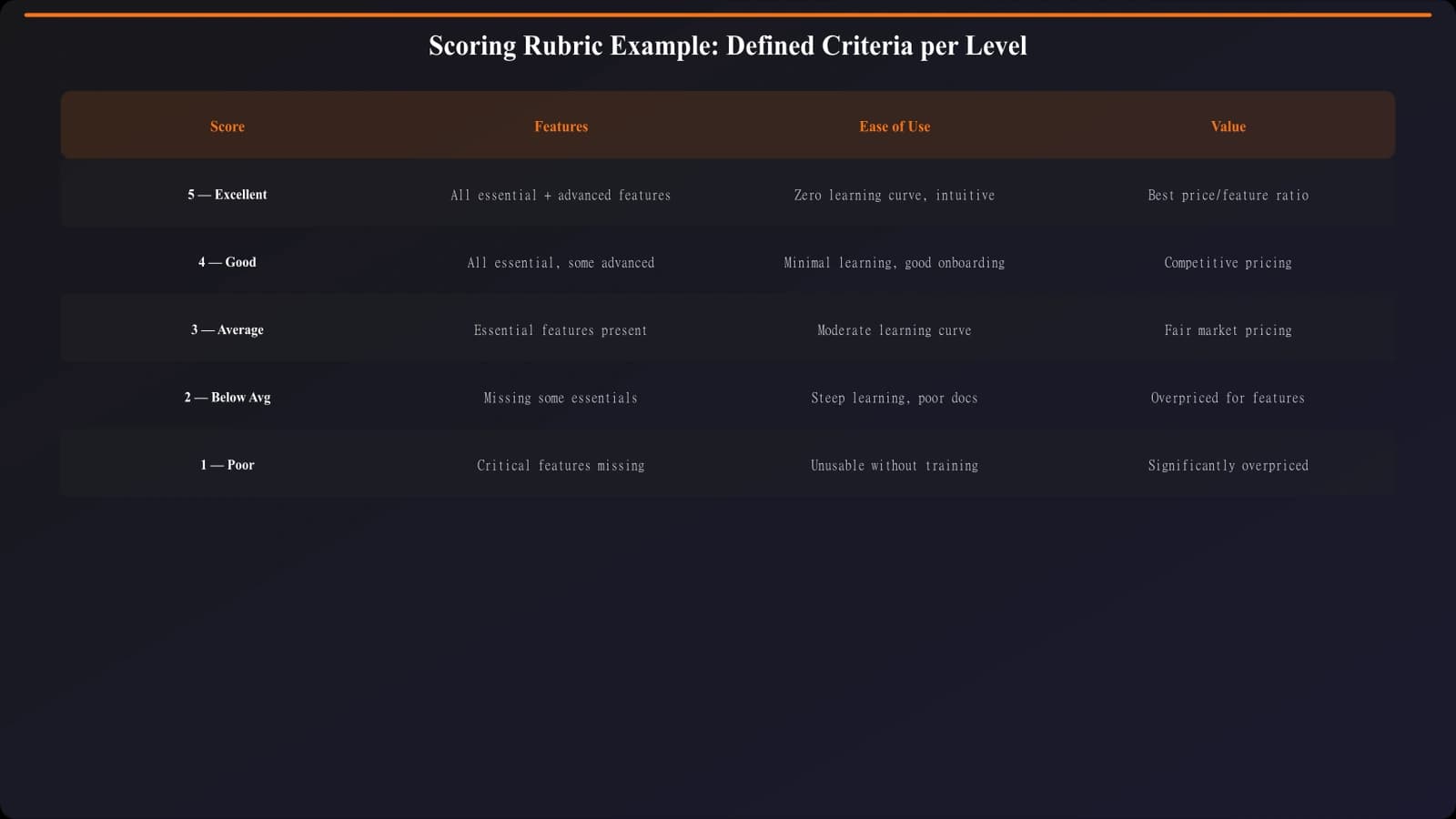
Figure 1: Rubric with defined scoring criteria
- 1Define each score levelWhat specifically earns a 5? A 3? Make criteria observable, not subjective.
- 2Use the same rubric across all toolsIdentical evaluation framework ensures comparable scores.
- 3Score before rankingComplete all individual scores before looking at how they combine.
- 4Document edge casesWhen rubric doesn't fit perfectly, note your interpretation for consistency.
- 5Review rubric periodicallyCriteria may need updating as tool categories evolve.
Clear Exclusion Policies#
Which tools you include—and exclude—can introduce bias. Clear policies about what qualifies for inclusion prevent accusations of cherry-picking and make omissions understandable.
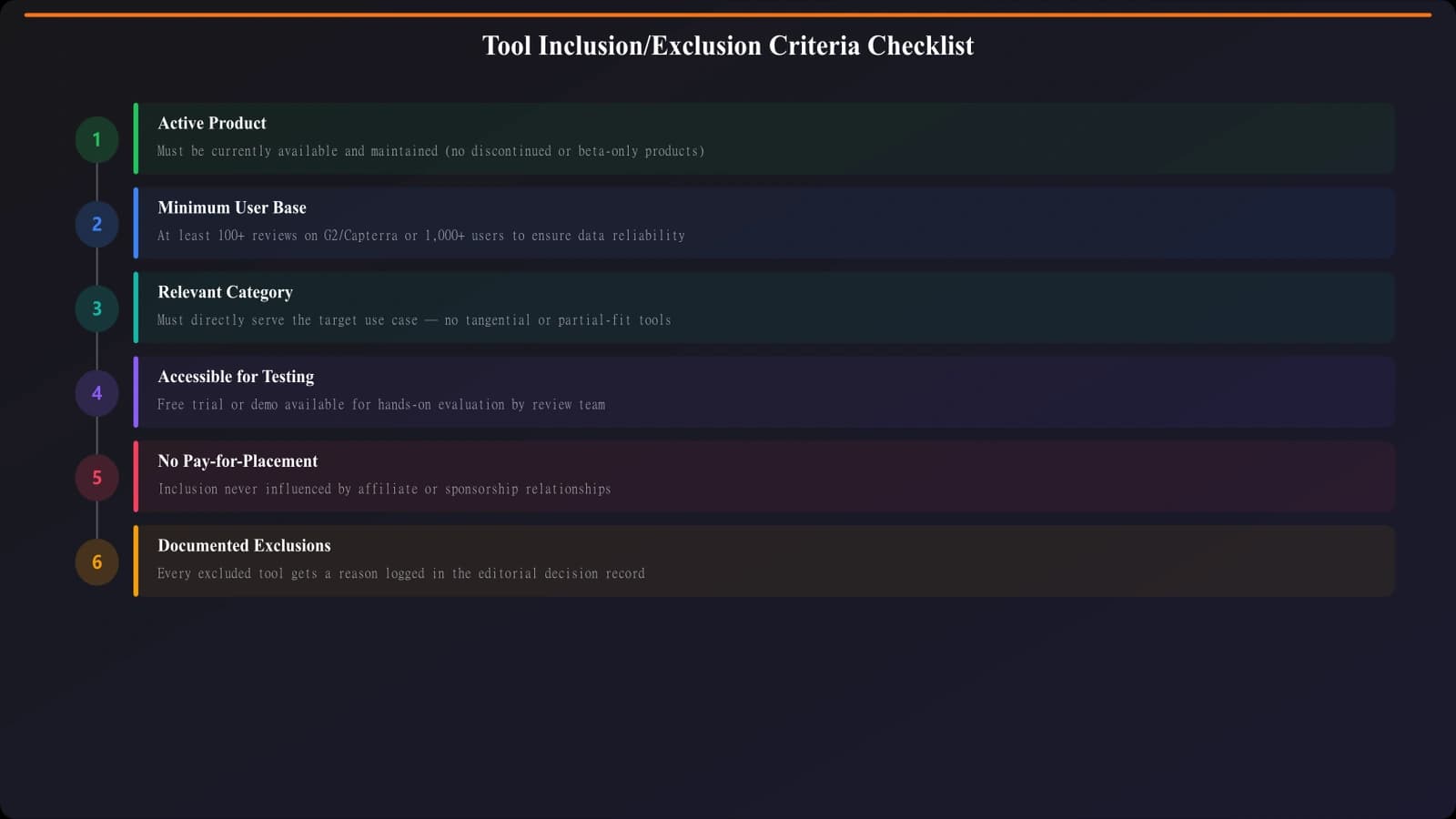
Figure 2: Transparent inclusion/exclusion criteria
Do
- ✓Publish inclusion criteria (minimum features, market presence)
- ✓Explain why specific tools were excluded
- ✓Include strong competitors even if you have no affiliate relationship
- ✓Note tools that almost qualified and why they didn't
Don't
- ✕Exclude competitors without explanation
- ✕Only include tools with affiliate programs
- ✕Change inclusion criteria to favor preferred tools
- ✕Ignore reader suggestions for tools to evaluate
Disclosure Standards#
Transparent disclosure is the most powerful bias mitigation. When readers know about potential conflicts, they can weight your recommendations appropriately. Hidden biases, when discovered, destroy trust entirely.
- Affiliate relationships disclosed before rankings
- Author's personal tool preferences noted
- Prior professional relationships with vendors disclosed
- Sponsored content clearly labeled if applicable
- Free accounts or review access acknowledged
- Editorial independence from revenue stated
Create a disclosure template and use it consistently. When disclosure is routine, it signals integrity rather than drawing attention to potential issues.
Bias-Reduction Process Checklists#
Processes prevent bias better than good intentions. Use checklists at key stages to ensure consistent, fair evaluation.
Maintaining Unbiased Updates#
Bias can creep in during updates as easily as initial evaluation. Changelogs and update protocols ensure ongoing integrity.
- 1Re-evaluate all tools togetherDon't just update the tool that changed—reassess the full comparison.
- 2Document ranking changesNote what moved and why in a visible changelog.
- 3Apply same rubricUse identical criteria; if rubric changed, note it and re-score all.
- 4Review for driftCompare new scores to historical benchmarks to catch score inflation.
Frequently Asked Questions#
Should I exclude tools I have affiliate relationships with?
No—excluding good tools because of affiliate relationships is its own bias. Disclose the relationship and ensure editorial independence. The best approach is consistent evaluation regardless of financial relationships.
How do I handle personal preference for one tool?
Acknowledge it in your methodology and rely on rubric scoring rather than subjective impressions. Personal experience can inform criteria, but the rubric should drive scores.
What if my honest evaluation favors the highest-commission tool?
Publish it. If your methodology is sound and disclosed, accurate rankings should follow. Deliberately penalizing good tools because of commission is also bias.
Should multiple people evaluate to reduce individual bias?
If resources allow, yes. Multiple evaluators with averaged scores reduce individual bias. If solo, rely heavily on rubrics and documented evidence.
Conclusion#
Bias-free evaluation is impossible—bias-aware evaluation is achievable. Through rubrics, disclosure, inclusion policies, and process checklists, you create rankings that minimize bias impact while maintaining transparency about what remains. Readers trust honest disclosure more than claims of perfect objectivity.
- Recognize bias types: Know where bias enters to design countermeasures
- Use rubrics: Defined criteria reduce subjective interpretation
- Disclose conflicts: Transparency builds more trust than hiding
- Document exclusions: Clear policies prevent cherry-picking accusations
- Process over intentions: Checklists enforce consistency
Sources & References
- Behavioral Economics. Cognitive Bias in Evaluation (2024)
- FTC. Editorial Independence Standards (2024)

Product Manager at BestPage. Pioneer in AEO research since 2024, exploring the convergence of SEO and GEO (Generative Engine Optimization). Led multiple AI-powered content optimization projects that achieved 300%+ citation increases in ChatGPT and Perplexity.