
Search Intent: Match Content to Queries

Key Takeaways
- •Four Intent Types: Informational, Navigational, Transactional, Commercial
- •SERP Analysis: Current rankings reveal what Google thinks users want
- •Format Matching: Match the content format (guide, list, comparison) to intent
- •Title Alignment: Your title must signal you'll satisfy the user's goal
Introduction: Intent is Everything#
You can have perfect on-page SEO, great backlinks, and quality content—but if you don't match search intent, you won't rank. Search intent is why someone performs a search. Understanding and satisfying that intent is Google's core mission.
This guide teaches you to identify intent types, analyze what Google rewards for any query, and align your content to earn both rankings and clicks.
The Intent Test
Before creating content, ask: “If I were searching this query, what would I want to find?” If your content wouldn't satisfy that need, rethink your approach.
The Four Types of Search Intent#
Every search query falls into one (or occasionally multiple) intent categories. Understanding these helps you create the right content.
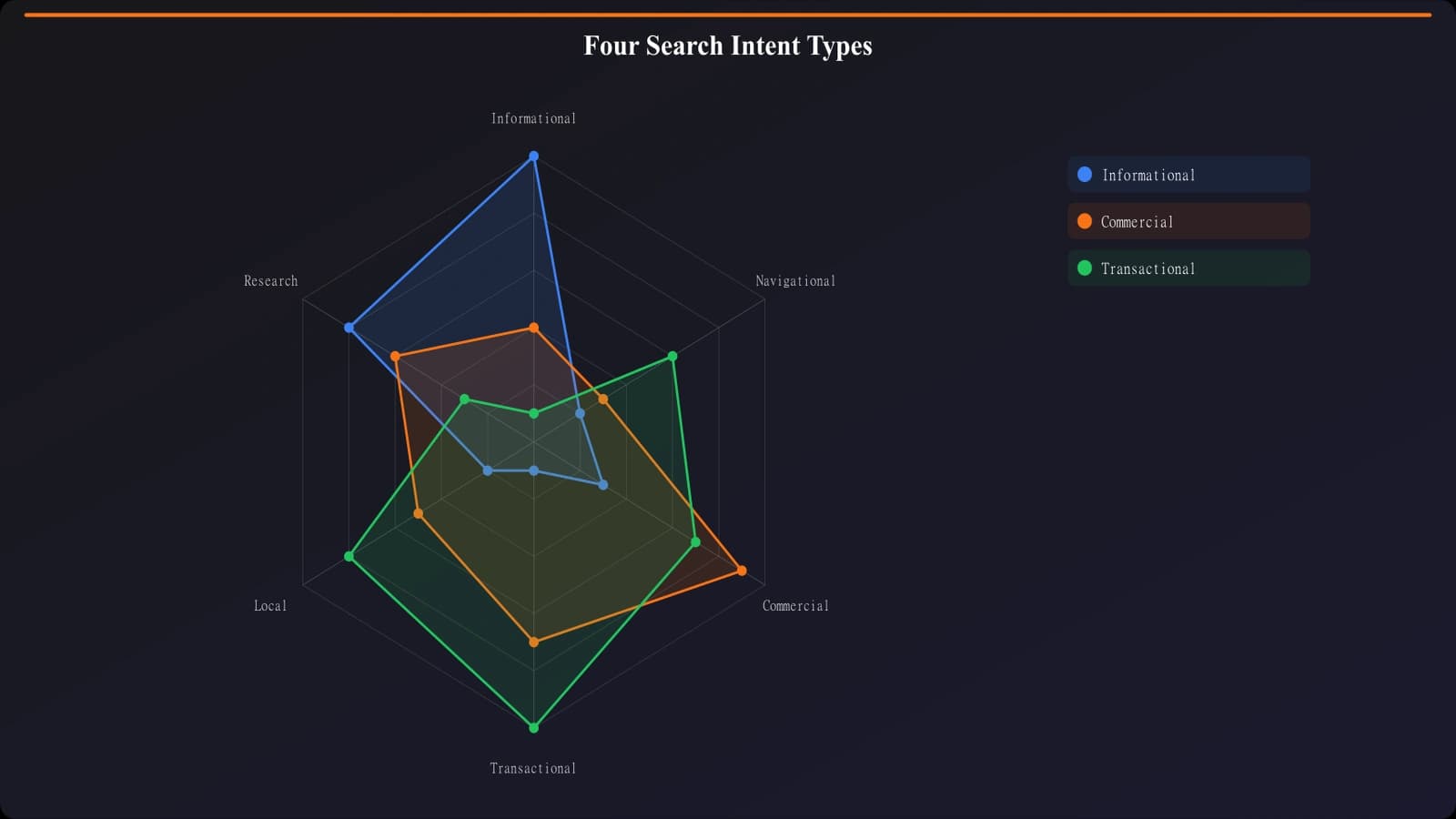
Figure 1: The four types of search intent with examples
1. Informational Intent
Users want to learn something. They're not ready to buy—they're researching, understanding, or solving a problem.
- Signal words: how, what, why, guide, tutorial, tips
- Examples: “how to tie a tie,” “what is SEO,” “why do dogs bark”
- Content format: Blog posts, guides, tutorials, explainers
- SERP features: Featured snippets, PAA boxes, knowledge panels
2. Navigational Intent
Users want to reach a specific website or page. They're using Google as a shortcut.
- Signal words: Brand names, product names, login, site name
- Examples: “Facebook login,” “Spotify premium,” “Nike store”
- Content format: Homepage, login page, specific product/service page
- SERP features: Sitelinks, brand knowledge panels
3. Transactional Intent
Users are ready to take action—buy, sign up, download, or subscribe.
- Signal words: buy, order, price, cheap, deals, coupon
- Examples: “buy iPhone 16,” “Netflix subscription,” “cheap flights to NYC”
- Content format: Product pages, pricing pages, checkout flows
- SERP features: Shopping ads, product carousels, local packs
4. Commercial Investigation
Users are researching before making a decision. They want comparisons, reviews, and “best of” content.
- Signal words: best, vs, review, comparison, top, alternative
- Examples: “best CRM software,” “iPhone vs Samsung,” “Mailchimp review”
- Content format: Comparison posts, reviews, “best of” listicles
- SERP features: Review rich results, comparison tables
Top of Funnel
- Informational intent
- Awareness stage
- Education focus
- Build trust
Bottom of Funnel
- Transactional intent
- Decision stage
- Conversion focus
- Clear CTAs
How to Analyze SERP Intent#
The current search results are your blueprint. Google has tested what satisfies users for this query—learn from it.
SERP Signals to Analyze
- 1Page types: Are results blog posts, product pages, homepages, or tools?
- 2Content format: Listicles, how-tos, guides, comparisons, or single-answer?
- 3Content length: Short, direct answers or comprehensive guides?
- 4SERP features: Featured snippets, PAA, shopping ads, video results?
- 5Title patterns: What words and formats do top titles use?
Aligning Your Content to Intent#
Once you understand intent, align every element of your content to satisfy it.
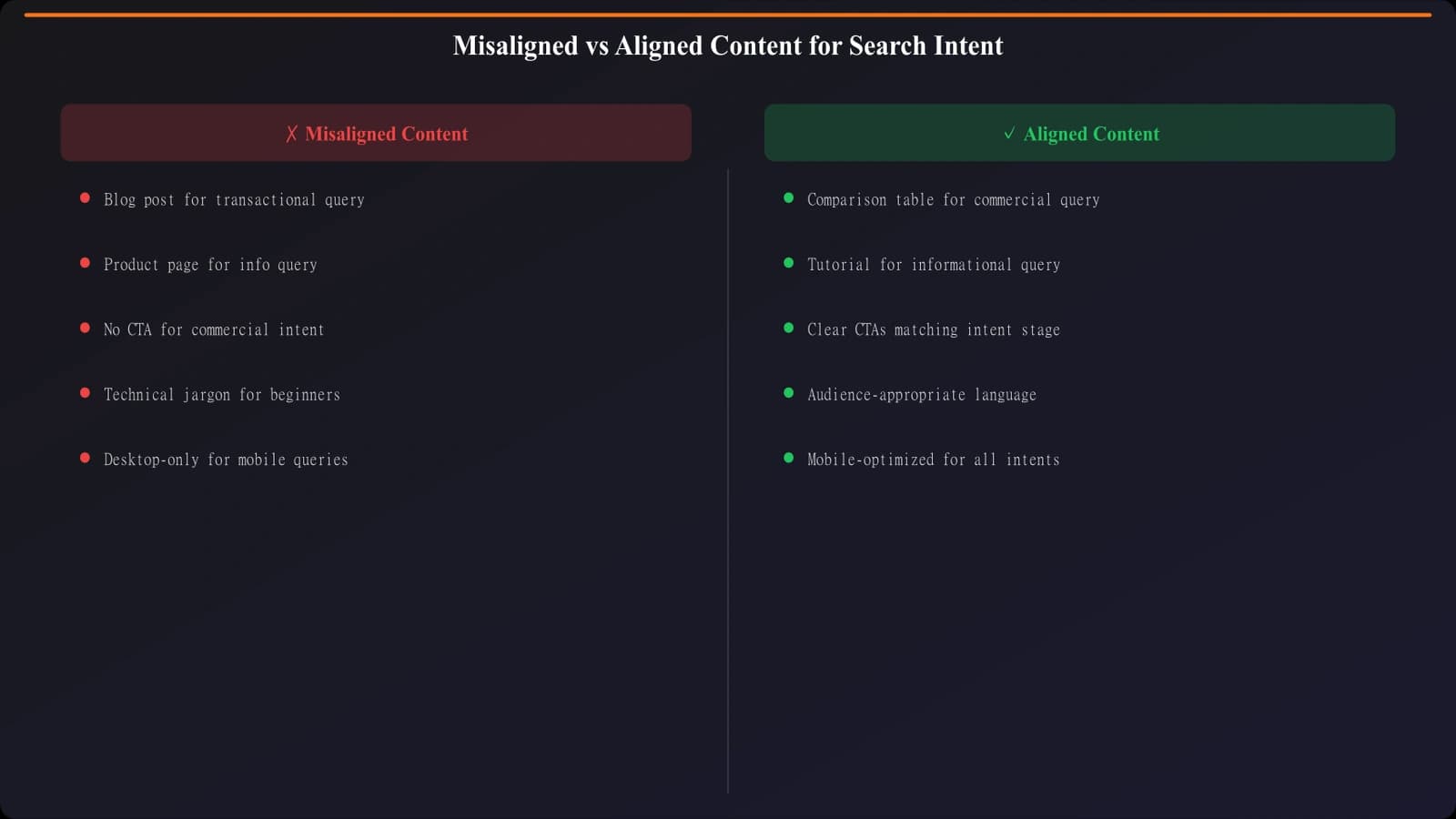
Figure 2: Content alignment to match search intent
Title and H1 Alignment
- Signal the content type: “Guide,” “How to,” “Best,” “Review”
- Match the query format: Question queries deserve answer-format titles
- Include the keyword: Users scan for relevance; make it obvious
- Promise the outcome: What will they know/have after reading?
Content Structure
- Lead with the answer: For informational queries, answer quickly, then expand
- Match expected format: If users want a list, give them a list
- Address follow-up questions: Anticipate and answer “People Also Ask”
- End with appropriate CTA: Informational → related content; Transactional → buy now
Content Depth
- Simple queries: Direct answer, maybe 500-800 words
- Complex queries: Comprehensive coverage, 2,000-4,000 words
- Match competitor depth: If top results are 3,000 words, thin content won't compete
“The best content isn't the longest—it's the one that perfectly satisfies what the searcher wanted in the first place.”
Handling Mixed Intent Queries#
Some queries have mixed intent—the SERP shows different content types because users want different things.
Recognizing Mixed Intent
- SERP shows mix of page types (blog posts AND product pages)
- Featured snippet exists alongside shopping results
- Results target different audience segments
Strategy for Mixed Intent
- Pick a lane: Choose the intent that matches your content goals
- Create multiple pages: One for each intent if the topic is important
- Satisfy primary intent first: If 4/5 results are guides, lead with education
Related Reading#
Explore these related topics: SEO Brief Template for Writers, Topical Authority: Build Clusters That Rank, and Schema Markup Basics for Blogs.
Conclusion: Intent as Foundation#
Search intent is the foundation of SEO. Before optimizing titles, building links, or adding schema, you must understand why users search and what they expect to find.
Make SERP analysis your first step for every piece of content. Let the current results guide your format, depth, and structure. Match intent perfectly, and everything else becomes easier.

Product Manager at BestPage. Pioneer in AEO research since 2024, exploring the convergence of SEO and GEO (Generative Engine Optimization). Led multiple AI-powered content optimization projects that achieved 300%+ citation increases in ChatGPT and Perplexity.