
Topical Authority: Build Clusters That Rank

Key Takeaways
- •Pillar + Cluster: Build comprehensive pillar pages supported by detailed cluster articles
- •Topic Mapping: Use systematic research to identify all subtopics before writing
- •Internal Links: Connect all cluster content to pillars and each other strategically
- •Authority Signal: Comprehensive coverage tells Google you're an expert on the topic
Introduction: Why Topical Authority Matters#
Google doesn't just rank individual pages—it evaluates your entire website's expertise on a topic. Topical authority is the cumulative trust you build by covering a subject comprehensively, consistently, and with demonstrable expertise.
Sites with strong topical authority rank faster for new content, hold positions longer against competitors, and earn featured snippets more frequently. This guide shows you exactly how to build that authority through the pillar/cluster model.
The Authority Advantage
When you publish a new article on a topic where you have established authority, it often ranks within days rather than months. Google already trusts your expertise and gives you the benefit of the doubt.
The Pillar/Cluster Content Model#
The pillar/cluster model organizes your content into interconnected hubs that signal topical expertise to search engines. Here's how the structure works:
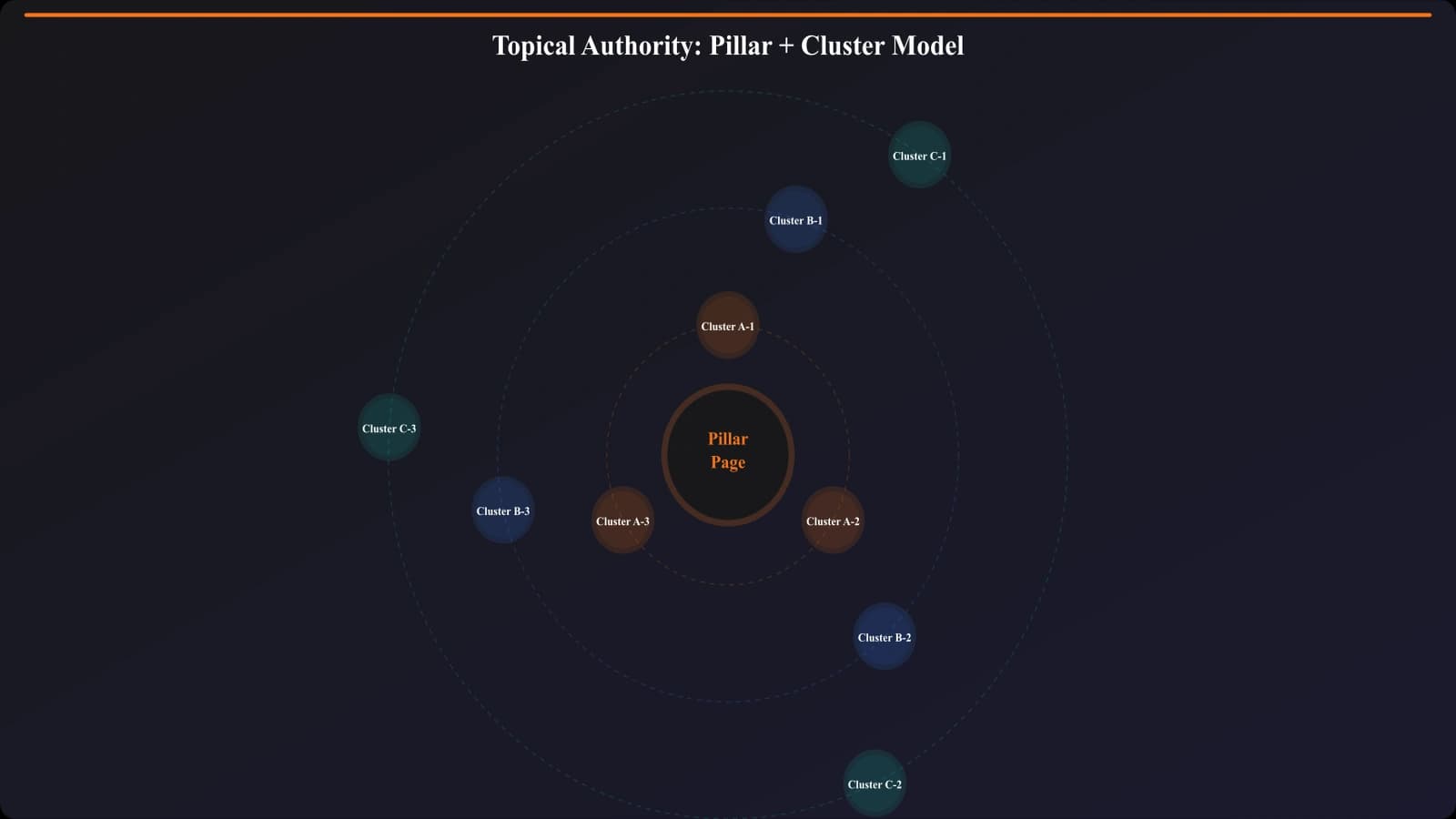
Figure 1: Pillar/Cluster content architecture
Pillar Pages: The Hub
A pillar page is a comprehensive, authoritative resource on a broad topic. It covers all major aspects at a high level and links out to detailed cluster content for each subtopic.
- Length: Typically 3,000-5,000+ words covering all angles
- Structure: Clear sections for each subtopic with jump links
- Links: Links to every relevant cluster article on the topic
- Target: Broad, high-volume keywords (e.g., “SEO guide”)
Cluster Content: The Spokes
Cluster articles dive deep into specific subtopics. They target long-tail keywords and link back to the pillar page, creating a web of related content.
- Length: 1,500-2,500 words of focused, detailed coverage
- Focus: One specific angle or question per article
- Links: Always link to the pillar + related cluster articles
- Target: Long-tail, specific keywords (e.g., “how to write meta descriptions”)
Pillar Page Example
- “Complete Guide to Email Marketing”
- Covers strategy, tools, metrics, compliance
- Links to 12 cluster articles
- Targets: “email marketing guide”
Cluster Article Examples
- “Email Subject Line Best Practices”
- “How to Segment Your Email List”
- “Email Automation Workflows”
- “GDPR Compliance for Email”
How to Map Topics Systematically#
Before writing, you need a complete map of your topic. This ensures you don't miss important subtopics and helps you plan an efficient content calendar.
The Topic Mapping Process
- 1Seed Keyword Research: Start with your main topic and use tools (Ahrefs, SEMrush, Google) to find all related searches.
- 2Competitor Analysis: What subtopics do ranking competitors cover? Find gaps they miss.
- 3Question Mining: Use “People Also Ask,” Answer the Public, and forums to find user questions.
- 4Group by Theme: Organize keywords into logical clusters (beginner, advanced, tools, tactics, etc.).
- 5Prioritize: Start with high-impact, low-competition clusters to build momentum.
Ensuring Complete Coverage
A topic cluster should answer every reasonable question a user might have. Use this checklist:
- What: Definitions, explanations, types
- Why: Benefits, importance, consequences
- How: Step-by-step guides, tutorials, processes
- Who: Audience segments, personas, use cases
- When: Timing, frequency, schedules
- Tools: Software, resources, templates
- Mistakes: Common errors, what to avoid
- Examples: Case studies, before/after, comparisons
Internal Links: The Authority Connector#
Internal links are how Google discovers the relationships between your content. Strategic linking helps search engines understand your expertise and passes ranking power throughout your cluster.
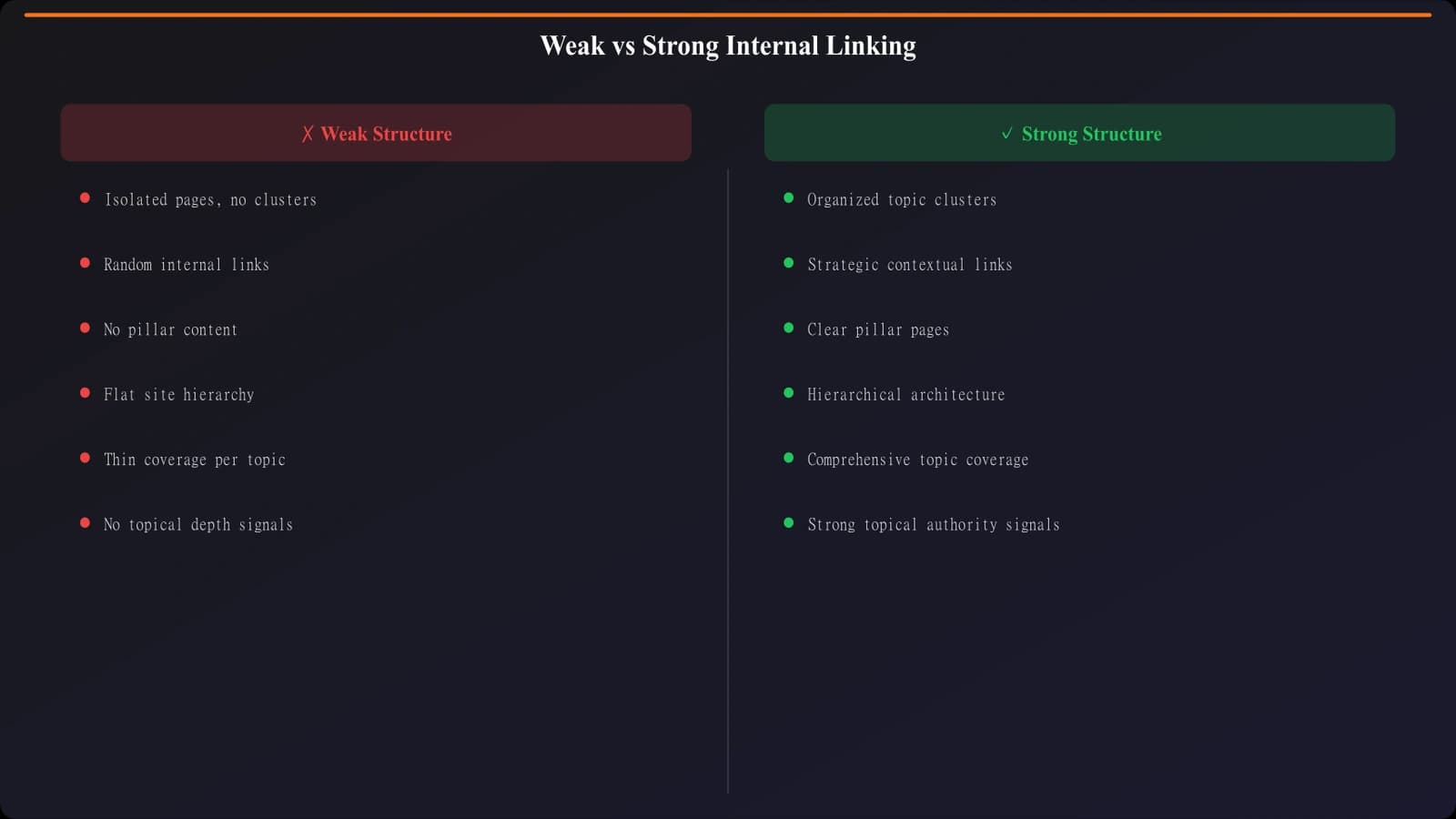
Figure 2: Poor vs. effective internal linking within a topic cluster
Internal Linking Best Practices
- Every cluster article links to pillar: This reinforces the pillar's importance and topic ownership.
- Cluster articles link to each other: Related subtopics should cross-reference naturally.
- Pillar links to all clusters: The pillar page serves as the navigation hub.
- Use descriptive anchors: “Learn more about internal linking strategies” beats “click here.”
- Link early: Important links in the first few paragraphs carry more weight.
“Internal links are votes of confidence. When your SEO pillar links to your meta description article, you're telling Google these topics are related and your site covers both.”
Common Linking Mistakes
- Orphan pages: Content with no internal links pointing to it
- Generic anchors: “Click here” tells Google nothing about the destination
- Over-optimization: Exact-match anchors 100% of the time looks unnatural
- Broken links: Links to deleted or moved pages hurt user experience
Building Authority Over Time#
Topical authority isn't built overnight. It requires consistent publishing, updating, and expansion of your content clusters.
Realistic Timeline
Months 1-3
- Publish pillar page
- Create 5-8 cluster articles
- Establish internal linking
- Rankings begin appearing
Months 4-6
- Add 5-7 more cluster articles
- Update pillar with new insights
- Significant ranking improvements
- Featured snippets emerge
Maintaining Authority
- Regular updates: Refresh content quarterly with new data and examples
- Gap filling: Monitor search console for queries you should cover
- Expansion: Add new cluster articles as the topic evolves
- Pruning: Consolidate or remove underperforming content
Related Reading#
Explore these related topics: Internal Links That Boost Rankings, Content Refresh Workflow, and EEAT Signals You Can Add Today.
Conclusion: Authority Through Depth#
Topical authority is the compound interest of SEO. Each piece of content you add to a cluster strengthens every other piece. The pillar/cluster model gives you a framework to build this authority systematically.
Start with one topic you want to own. Map every subtopic. Create a pillar page and begin publishing cluster content. Connect everything with strategic internal links. Within months, you'll see the authority effect: new content ranking faster, existing content climbing higher, and competitors struggling to catch up.

Product Manager at BestPage. Pioneer in AEO research since 2024, exploring the convergence of SEO and GEO (Generative Engine Optimization). Led multiple AI-powered content optimization projects that achieved 300%+ citation increases in ChatGPT and Perplexity.