
Content Refresh Workflow for SEO

Key Takeaways
- •Content Decay: Even great content loses rankings over time without updates
- •Data-Driven: Use Search Console to identify which pages need attention first
- •Competitive Analysis: See what top competitors added that you're missing
- •CTR Optimization: Update titles and descriptions for better click-through rates
Introduction: Why Content Decays#
Every piece of content has a shelf life. Even top-performing articles gradually lose rankings as competitors publish fresher content, information becomes outdated, and search intent evolves.
Content refresh is the systematic process of updating old content to maintain and improve rankings. It's often more efficient than creating new content from scratch—you're building on existing authority rather than starting from zero.
The 30-90 Day Window
When you refresh content, Google typically re-evaluates it within 30-90 days. If your updates are substantial and improve quality, you'll often see ranking improvements within this window.
Step 1: Identify Declining Content#
Not all content needs refreshing. Focus your efforts on pages with the best potential for recovery.
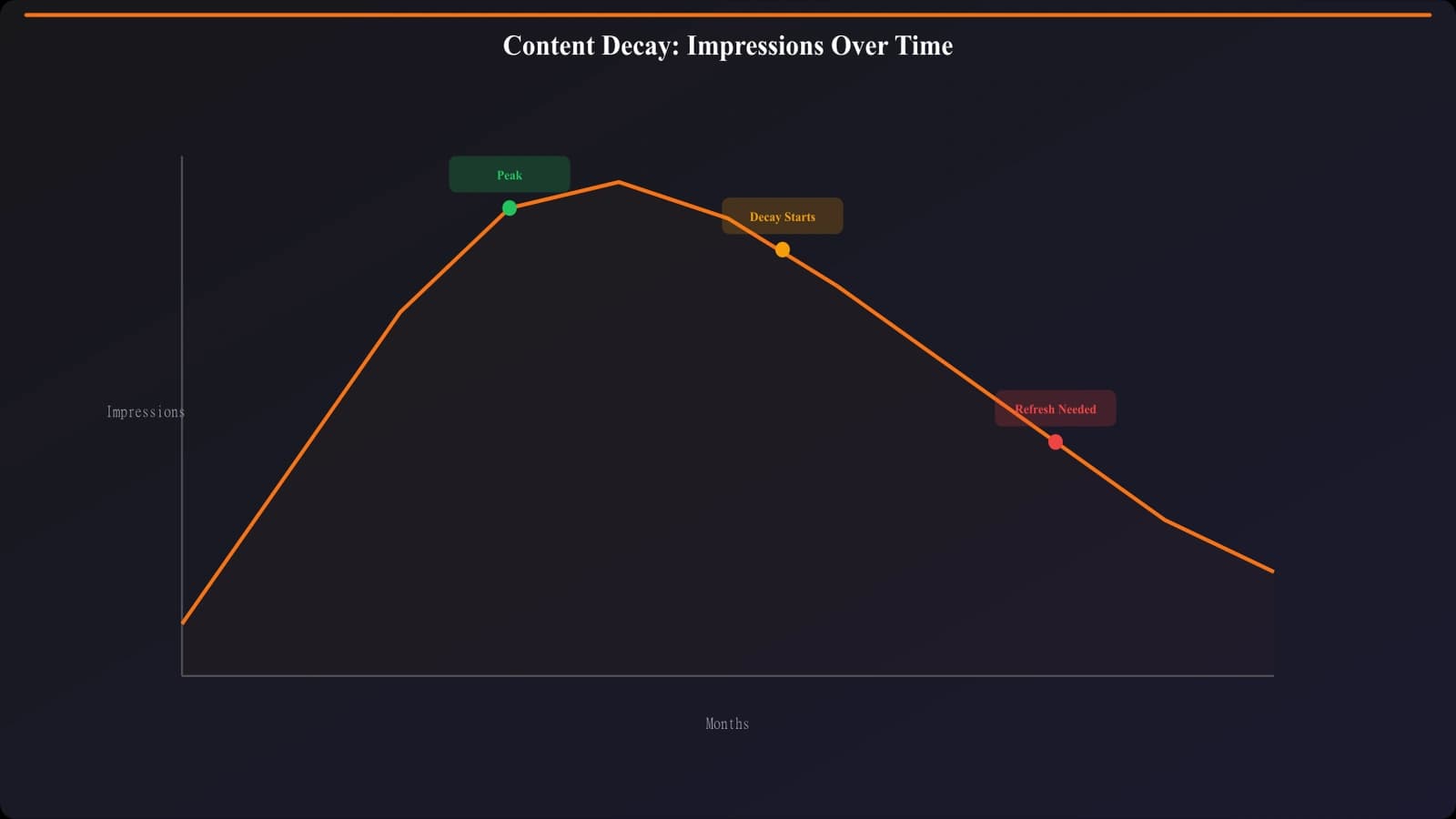
Figure 1: Identifying content decay patterns in Search Console
High-Priority Pages to Refresh
- 1Declining Performers: Pages that ranked well but have dropped 5+ positions in the last 3-6 months.
- 2Position 4-20 Pages: Content on the edge of page one that could break through with improvements.
- 3High-Impression, Low-CTR: Pages getting views but not clicks—title/description needs work.
- 4Outdated Statistics: Content citing old data (“In 2022...”) that needs current numbers.
Step 2: Analyze What's Winning Now#
Before updating, understand why competitors now outrank you. What have they added that you're missing?
Competitive Content Audit
- New sections: What topics do top results cover that you don't?
- Fresher data: Are competitors citing more recent statistics?
- Better visuals: Do they have diagrams, charts, or videos you lack?
- Longer/shorter: Has the ideal content length for this query changed?
- New questions: Check “People Also Ask” for queries you should answer.
Content Gap Checklist
- Missing subtopics
- Outdated examples
- No visuals or outdated ones
- Thin sections to expand
- Questions left unanswered
SERP Feature Check
- Featured snippet format
- FAQ schema opportunities
- Image pack potential
- Video inclusion
- Table formatting
Step 3: Update and Expand#
Now execute the improvements. A substantial refresh typically involves multiple types of updates.
Content Refresh Checklist
- Update statistics: Replace old data with current numbers and cite sources
- Add new sections: Cover subtopics competitors have that you don't
- Improve examples: Replace outdated examples with current, relevant ones
- Enhance visuals: Add diagrams, update screenshots, include infographics
- Expand thin sections: Beef up areas that only have 1-2 sentences
- Fix broken links: Replace dead links and add new relevant resources
- Add internal links: Link to newer content published since original
- Update author info: Refresh credentials and add expert quotes if possible
“The best content refresh doesn't just update—it upgrades. Ask: How can this become the definitive resource on this topic?”
Step 4: Optimize for Clicks#
Ranking isn't enough—you need clicks. Optimize your title and description for the current SERP.
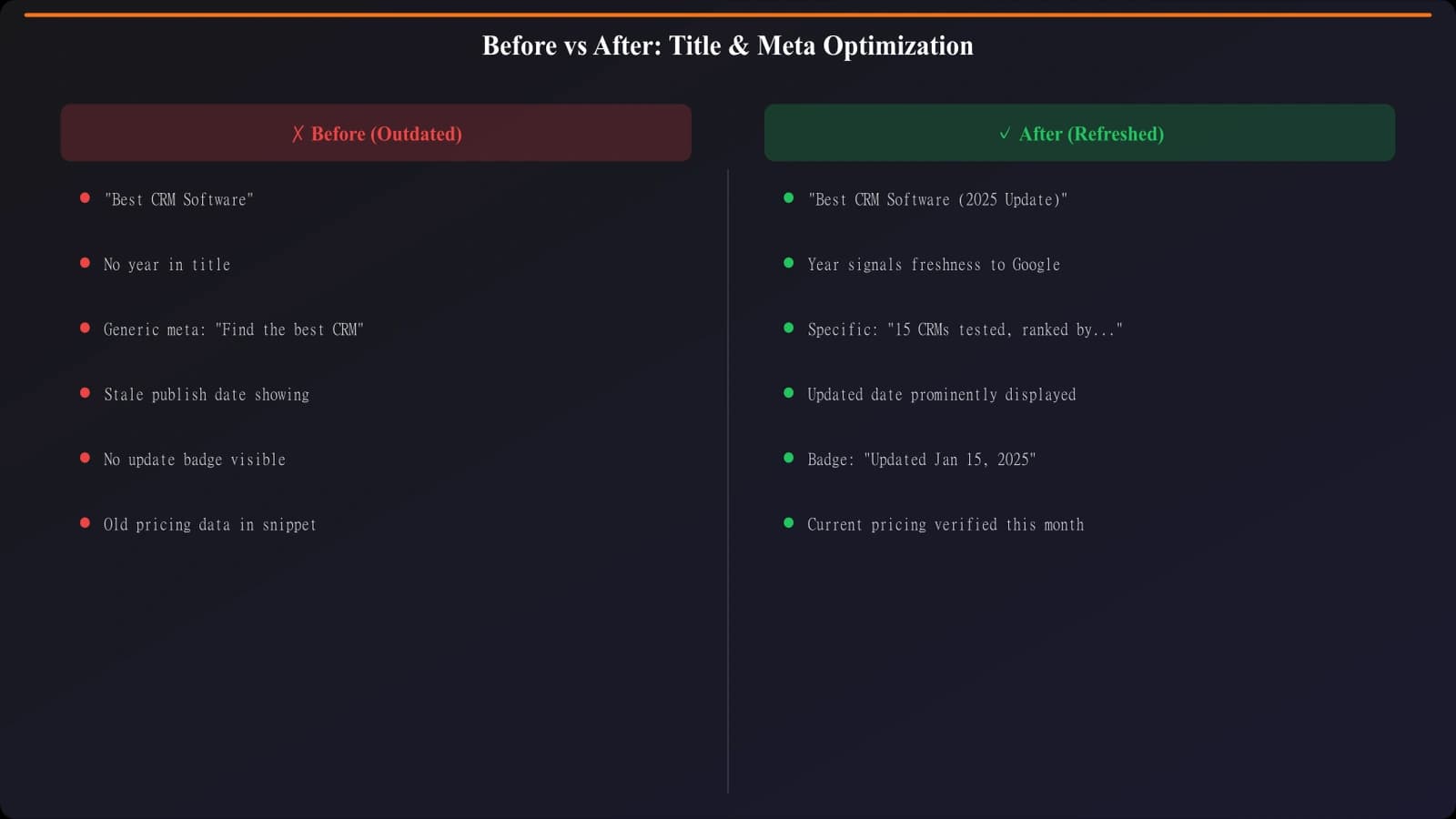
Figure 2: Title and meta description refresh improving CTR
Title Tag Refresh
- Include the current year if relevant (“2026 Guide”)
- Add power words: ultimate, complete, proven, essential
- Match current search intent (check what's ranking now)
- Keep under 60 characters to avoid truncation
Meta Description Refresh
- Include primary keyword naturally
- Add a clear value proposition or benefit
- Use action-oriented language
- Keep under 155 characters
- Test adding numbers or specific outcomes
Step 5: Maintain Rankings#
Content refresh isn't one-and-done. Build a system for ongoing maintenance.
Recommended Refresh Schedule
- Monthly: Check Search Console for declining pages
- Quarterly: Review top 20 pages for update opportunities
- Annually: Major refresh of pillar content and evergreen guides
- As needed: Industry changes, algorithm updates, new data
Tracking Refresh Results
Document your refreshes and measure impact:
- Record date of refresh and changes made
- Track position changes over 30/60/90 days
- Monitor impression and click changes
- Note which types of updates had biggest impact
Related Reading#
Explore these related topics: Topical Authority: Build Clusters That Rank, SEO Brief Template for Writers, and EEAT Signals You Can Add Today.
Conclusion: Refresh as Strategy#
Content refresh is one of the highest-ROI SEO activities. You're building on existing authority, improving proven topics, and often seeing results faster than new content would achieve.
Make content refresh a regular part of your SEO workflow. Identify declining content monthly, analyze what competitors are doing better, update comprehensively, and optimize for clicks. Your older content is an asset—invest in maintaining it.

Product Manager at BestPage. Pioneer in AEO research since 2024, exploring the convergence of SEO and GEO (Generative Engine Optimization). Led multiple AI-powered content optimization projects that achieved 300%+ citation increases in ChatGPT and Perplexity.