
Key Takeaways
- •Enterprise evaluation criteria: Compliance (SOC 2, GDPR), integration depth, and implementation timelines matter more than feature lists
- •Multi-stakeholder content: Serve IT security, procurement, and end-users with different content sections addressing their specific concerns
- •Pricing transparency context: Enterprise buyers need pricing frameworks even when exact costs vary—provide tiers, models, and negotiation context
- •Decision-stage formatting: Include RFP-ready comparison tables, vendor scorecards, and shareable executive summaries
B2B enterprise software evaluations involve months of research, multiple stakeholders, and complex requirements that generic comparison pages simply can't address. When a VP of Engineering searches "best enterprise data platforms" or "top enterprise CRM solutions," they're initiating a buying process that could take 6-12 months and involve security reviews, procurement negotiations, and executive sign-offs.
This playbook covers how to create B2B best-of pages that serve enterprise buyers throughout their extended evaluation journey. We'll explore compliance-first structuring, multi-stakeholder content design, enterprise pricing frameworks, and the decision-support formats that move enterprise deals forward.
Understanding the Enterprise Buyer Journey#
Enterprise software buying is fundamentally different from SMB or consumer purchases. Multiple stakeholders have veto power, security reviews are mandatory, and procurement processes add layers of complexity. Your content must serve all of these constituencies.
Enterprise Evaluation Stages
Problem Recognition
Internal champion identifies need, begins research
Requirements Definition
Cross-functional team defines must-haves and nice-to-haves
Vendor Research
Long list development using comparison content, analyst reports
Security & Compliance Review
IT security evaluates data handling, certifications, risk
Procurement & Negotiation
Contract terms, pricing, SLAs negotiated
Final Selection
Executive approval and implementation planning
Your best-of page needs to serve readers at multiple stages. Early researchers need broad overviews; later evaluators need security documentation and pricing frameworks. Structure accordingly.
Compliance-First Content Structure#
For enterprise buyers, compliance isn't a feature—it's a prerequisite. Security certifications, data residency options, and regulatory compliance determine whether a vendor can even be considered, regardless of functionality.
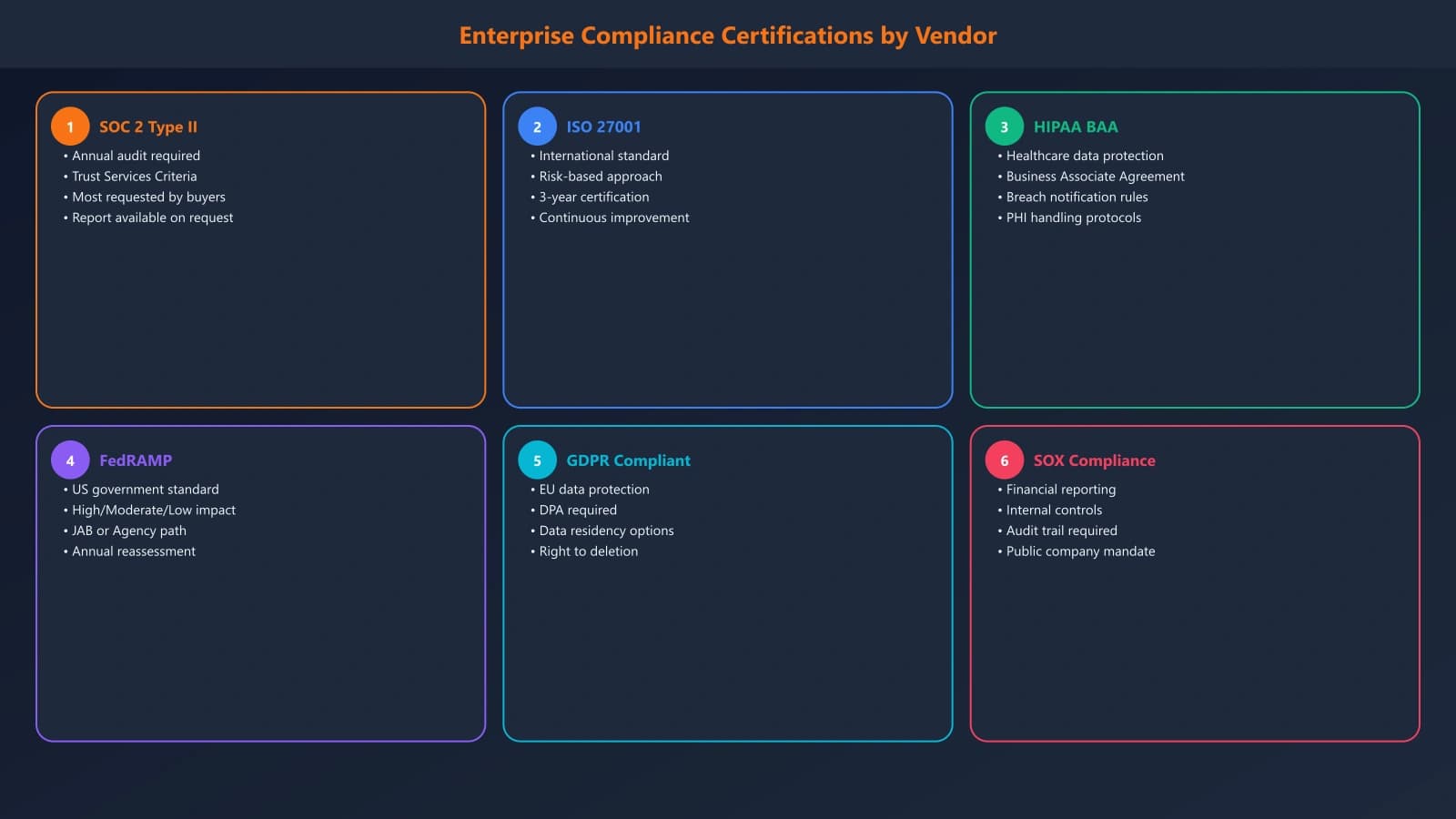
Figure 1: Compliance comparison matrix for enterprise evaluations
Compliance Accuracy is Critical
Designing for Multiple Stakeholders#
Enterprise purchases involve IT, security, procurement, finance, and business unit stakeholders—each with different evaluation criteria. Your page structure should address all constituencies while remaining navigable.
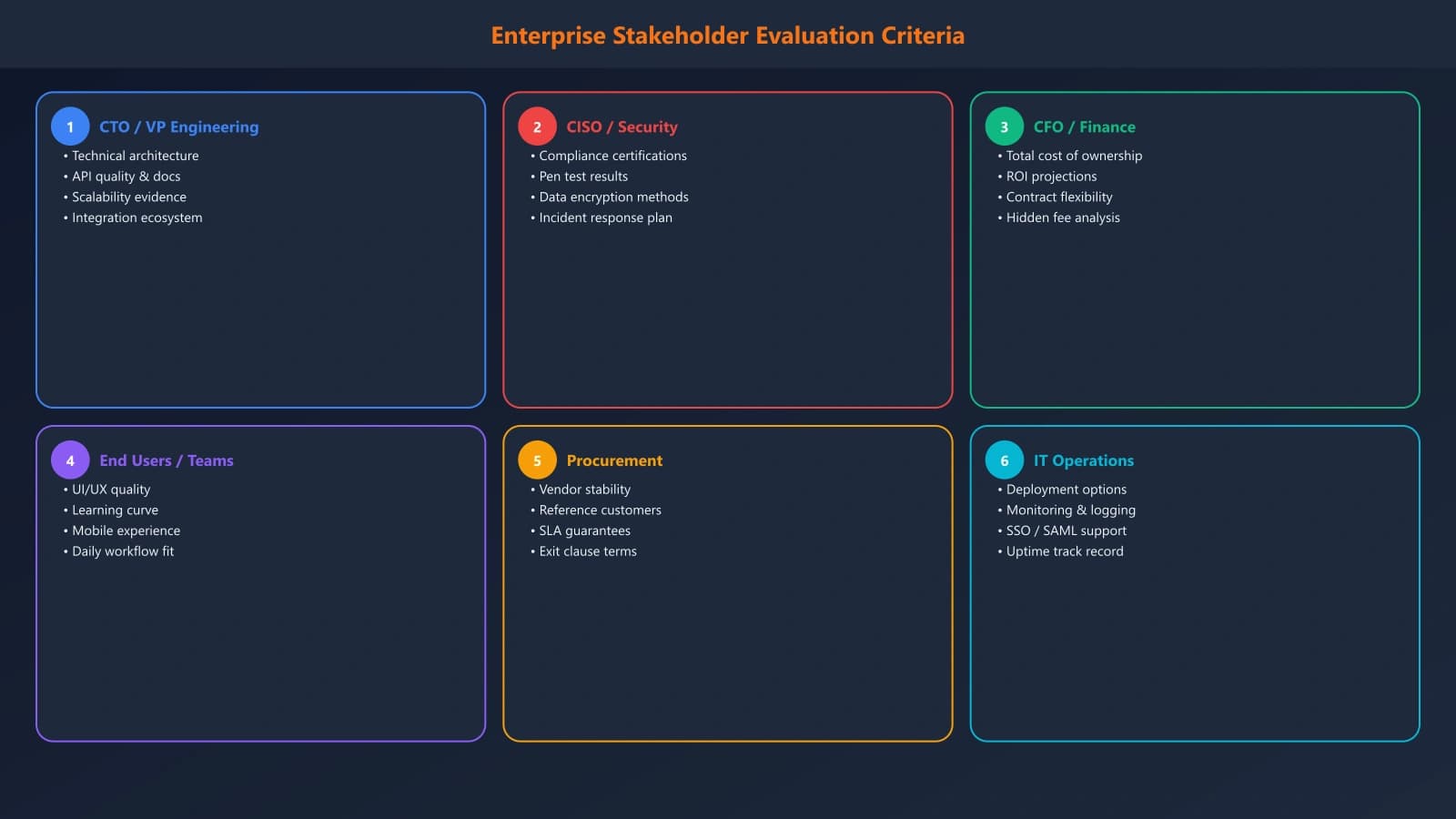
Figure 2: Stakeholder-specific evaluation criteria in enterprise buying
| Stakeholder | Primary Concerns | Content Needed | |
|---|---|---|---|
| IT/Engineering | Integration, APIs, scalability | Technical documentation, architecture | |
| Security/CISO | Compliance, risk, data handling | Security whitepapers, certifications | |
| Procurement | Pricing, contracts, terms | Pricing models, negotiation context | |
| End Users | Usability, training, support | UX demos, implementation timelines | |
| Executives | ROI, strategic fit, risk | Executive summaries, case studies |
The most effective enterprise best-of pages use clear section headers and jump links so each stakeholder can quickly find relevant information without wading through sections meant for others.
Enterprise Pricing Transparency#
Enterprise software pricing is notoriously opaque—"contact sales" gates frustrate buyers and slow evaluations. While exact pricing varies, you can provide frameworks that help buyers understand pricing models and plan budgets.
- 1Pricing Model TypesPer-seat, usage-based, platform fee + consumption, enterprise license agreement—explain what to expect
- 2Tier IndicatorsCategories like "SMB: $X-$Y," "Mid-Market: $Y-$Z," "Enterprise: Custom"—even ranges help
- 3Hidden CostsImplementation fees, training, support tiers, API access, data storage overages
- 4Negotiation ContextMulti-year discounts, volume pricing, budget timing, competitive leverage
- 5TCO ConsiderationsImplementation timeline, internal resources needed, ongoing operational costs
Pricing Research Methods
Decision-Support Content Formats#
Enterprise buyers need content they can share internally to build consensus and move deals forward. RFP-ready formats, vendor scorecards, and executive summaries accelerate the buying process.
- Downloadable comparison matrix (Excel/PDF)
- Executive summary with key differentiators
- Vendor scorecard template for internal evaluation
- RFP question framework for the category
- Implementation timeline comparison
- Security questionnaire comparison
The most valuable asset you can provide enterprise buyers is an internal presentation template. If someone can drop your comparison into their board deck, you've just become essential to their evaluation process.
Covering Integration Requirements#
Enterprise environments are ecosystems, not isolated tools. Integration with existing infrastructure—Salesforce, SAP, Workday, identity providers, data warehouses—often determines vendor viability.
| Integration Category | Key Questions | What to Include | |
|---|---|---|---|
| CRM/Sales | Salesforce, HubSpot depth | Native vs connector quality | |
| Identity/SSO | SAML, SCIM, Okta/Azure AD | Provisioning automation | |
| Data/Analytics | Snowflake, BigQuery, Tableau | API quality, real-time sync | |
| ERP/Finance | SAP, Oracle, NetSuite | Certification, sync depth | |
| Security/SIEM | Splunk, logging, audit trails | Compliance automation |
Frequently Asked Questions#
How do I research enterprise pricing when vendors don't publish it?
Use G2 reviews (often mention deal sizes), Vendr pricing benchmarks, LinkedIn posts from buyers sharing experiences, and public procurement databases for government contracts. Provide ranges and pricing model context rather than claiming specific numbers.
Should I include analyst rankings like Gartner Magic Quadrant?
Reference analyst positioning but don't just republish their rankings. Add your own evaluation criteria and perspective. Always link to source reports and respect their copyright restrictions.
How technical should enterprise best-of pages be?
Provide technical depth in dedicated sections (architecture, APIs, security) while keeping executive content accessible. Use clear section navigation so technical and non-technical stakeholders can each find relevant content.
What's the ideal length for enterprise comparison content?
Enterprise best-of pages are typically 4,000-8,000 words. The extended buyer journey and multi-stakeholder audience justify comprehensive coverage. Prioritize completeness over brevity, but ensure navigation is excellent.
Conclusion: Serving the Enterprise Buyer Journey#
Enterprise best-of pages succeed when they recognize the complexity of B2B buying. Generic feature comparisons miss the compliance, integration, and multi-stakeholder dynamics that actually determine vendor selection. The pages that rank—and get used throughout the buying process—are those that truly understand enterprise requirements.
- Lead with compliance: Security and regulatory requirements are prerequisites, not features
- Serve all stakeholders: IT, security, procurement, and executives need different content
- Provide pricing context: Models, ranges, and negotiation guidance when exact pricing is unavailable
- Enable decisions: Downloadable tools, executive summaries, and internal presentation formats
- Cover integrations deeply: Enterprise ecosystems make integration depth critical to evaluation
Sources & References
- Gartner. B2B Buying Journey Research (2024)
- Vendr. Enterprise Software Pricing Benchmarks (2024)
- TrustRadius. Technology Buyer Behavior Study (2024)

Product Manager at BestPage. Pioneer in AEO research since 2024, exploring the convergence of SEO and GEO (Generative Engine Optimization). Led multiple AI-powered content optimization projects that achieved 300%+ citation increases in ChatGPT and Perplexity.