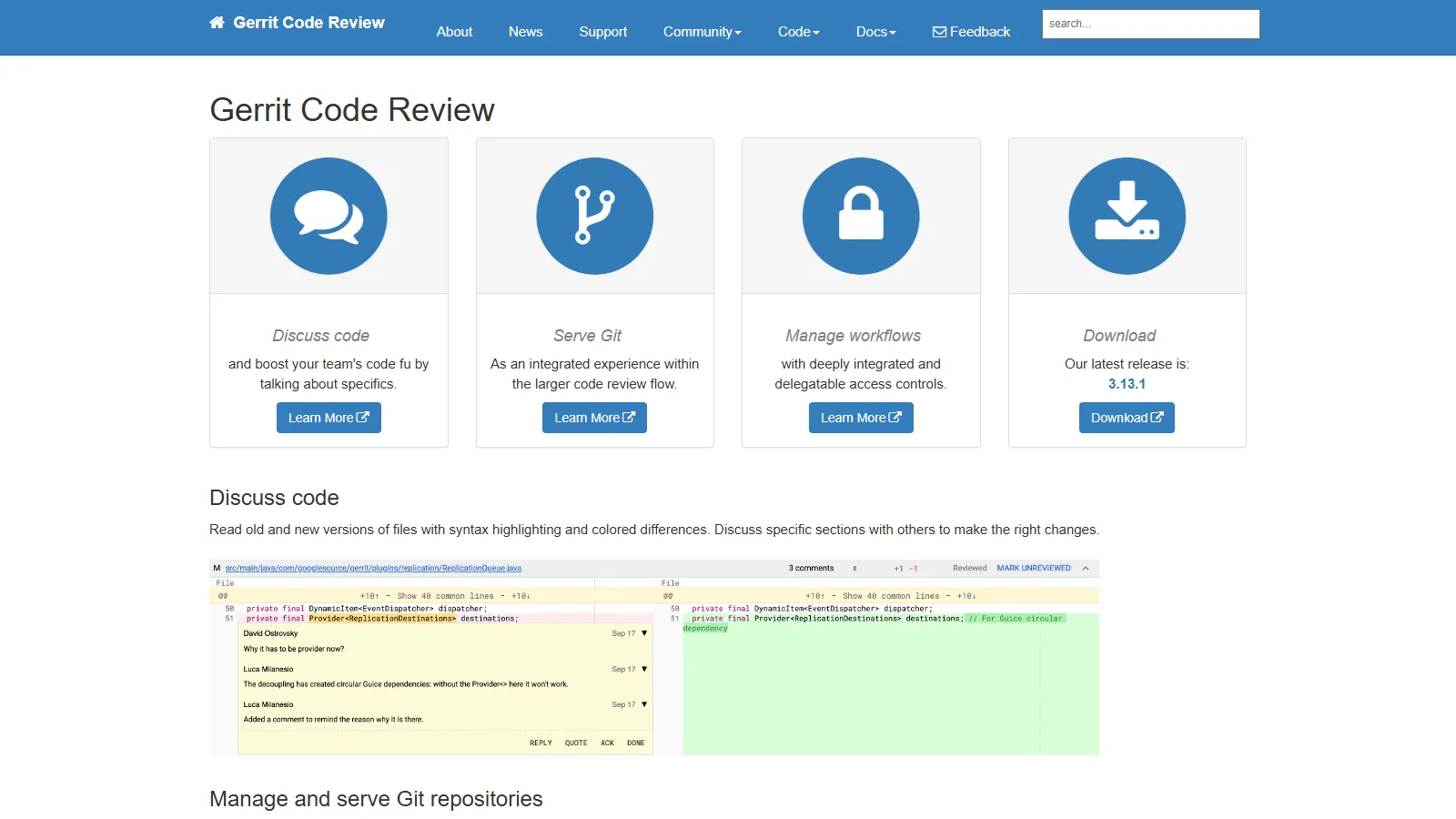
We tested 12+ code review tools to find the best options for team quality. These platforms streamline pull request workflows, automate quality checks, and help teams ship better code.
We tested each tool for code review workflow effectiveness.
Review Experience (30%) — UI, navigation, and commenting.
Workflow Features (25%) — Approvals, assignments, and automation.
Integration (20%) — Git platform and CI/CD connections.
Team Features (15%) — Code owners, notifications, and tracking.
Value (10%) — Features relative to cost.
How to Choose
Choose GitHub Pull Requests if you need using GitHub.
Choose GitLab MRs if you need complete DevOps.
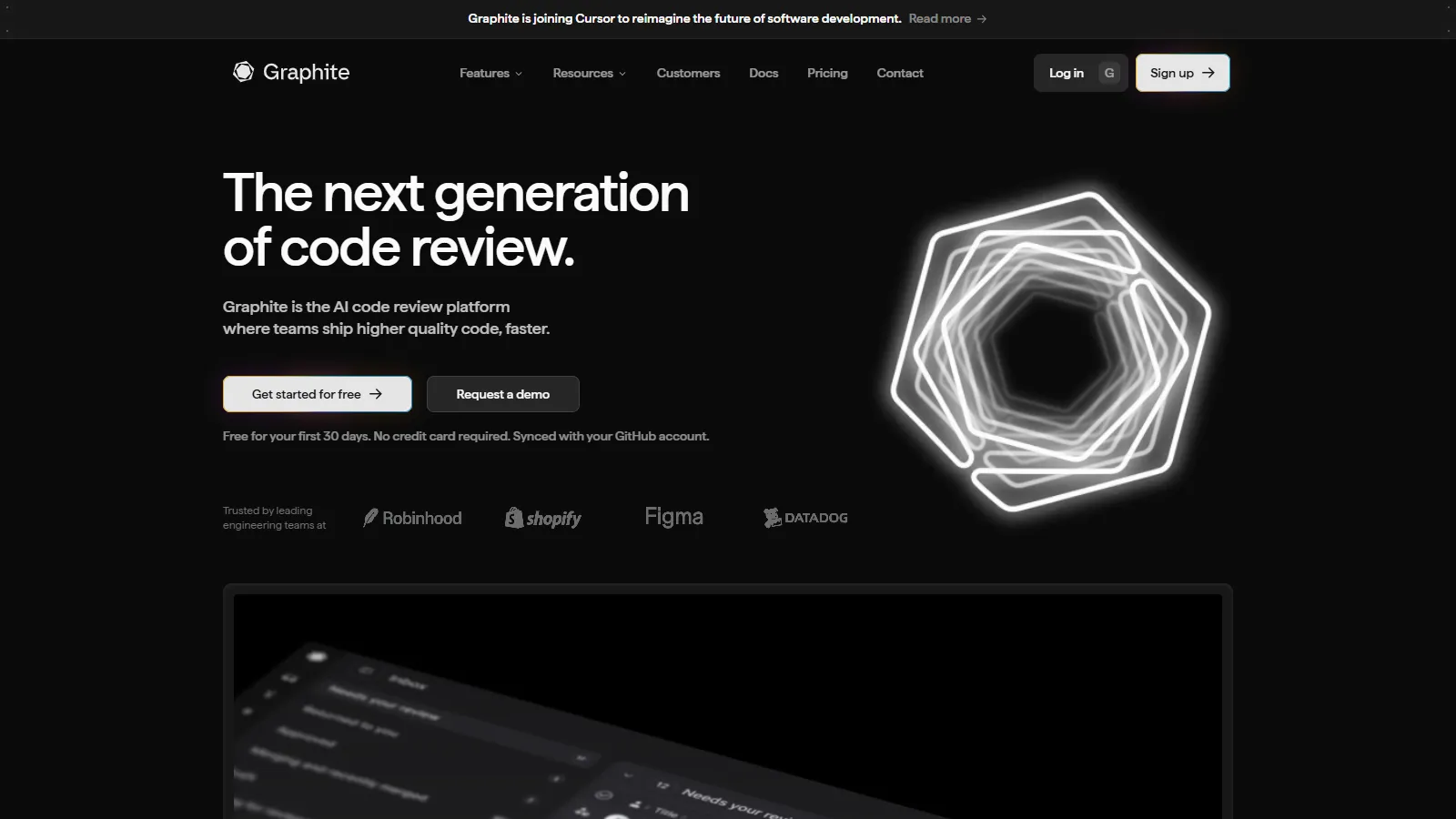
Choose Graphite if you need want stacked PRs.
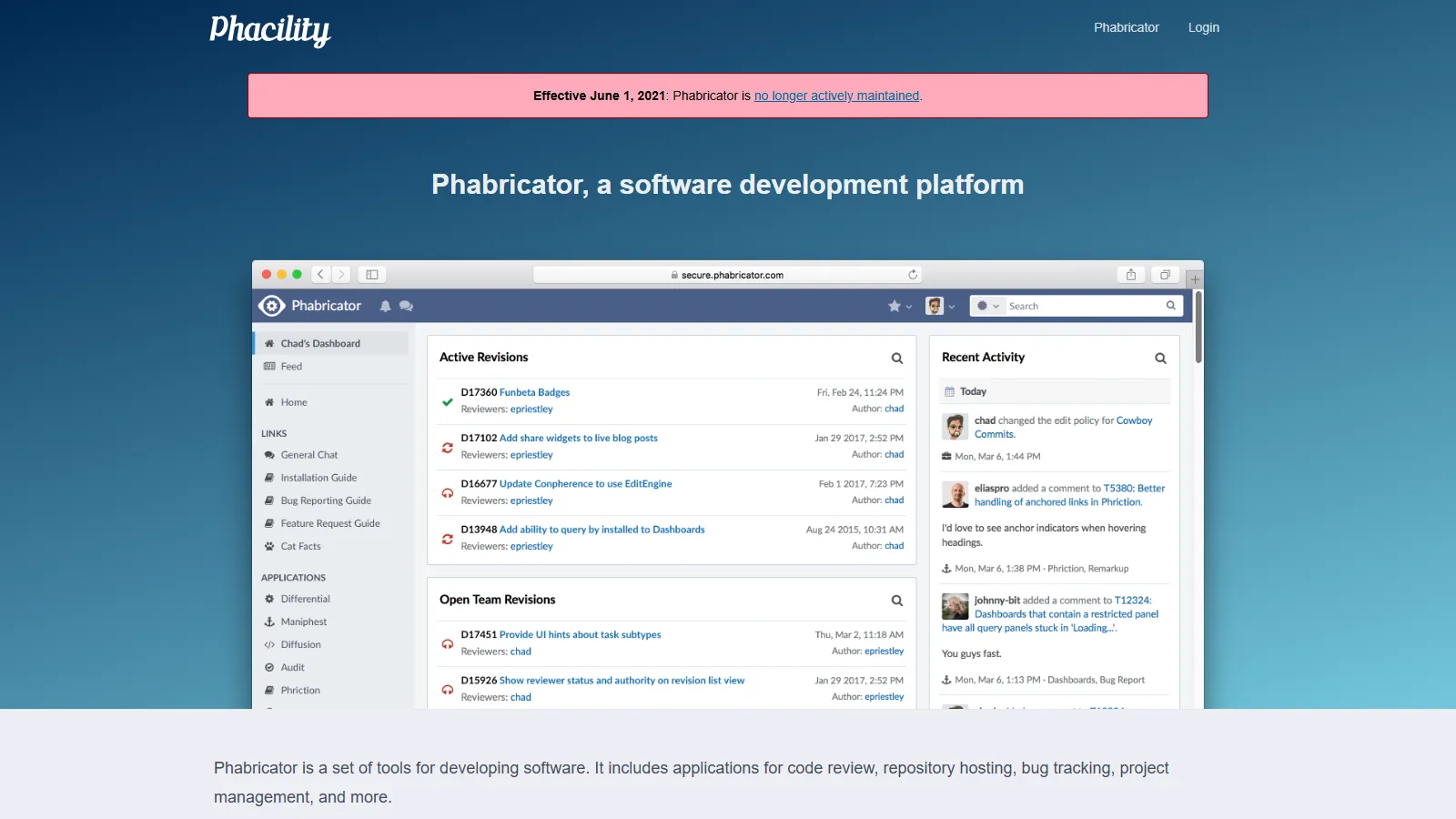
Choose Phabricator if you need self-hosted free.
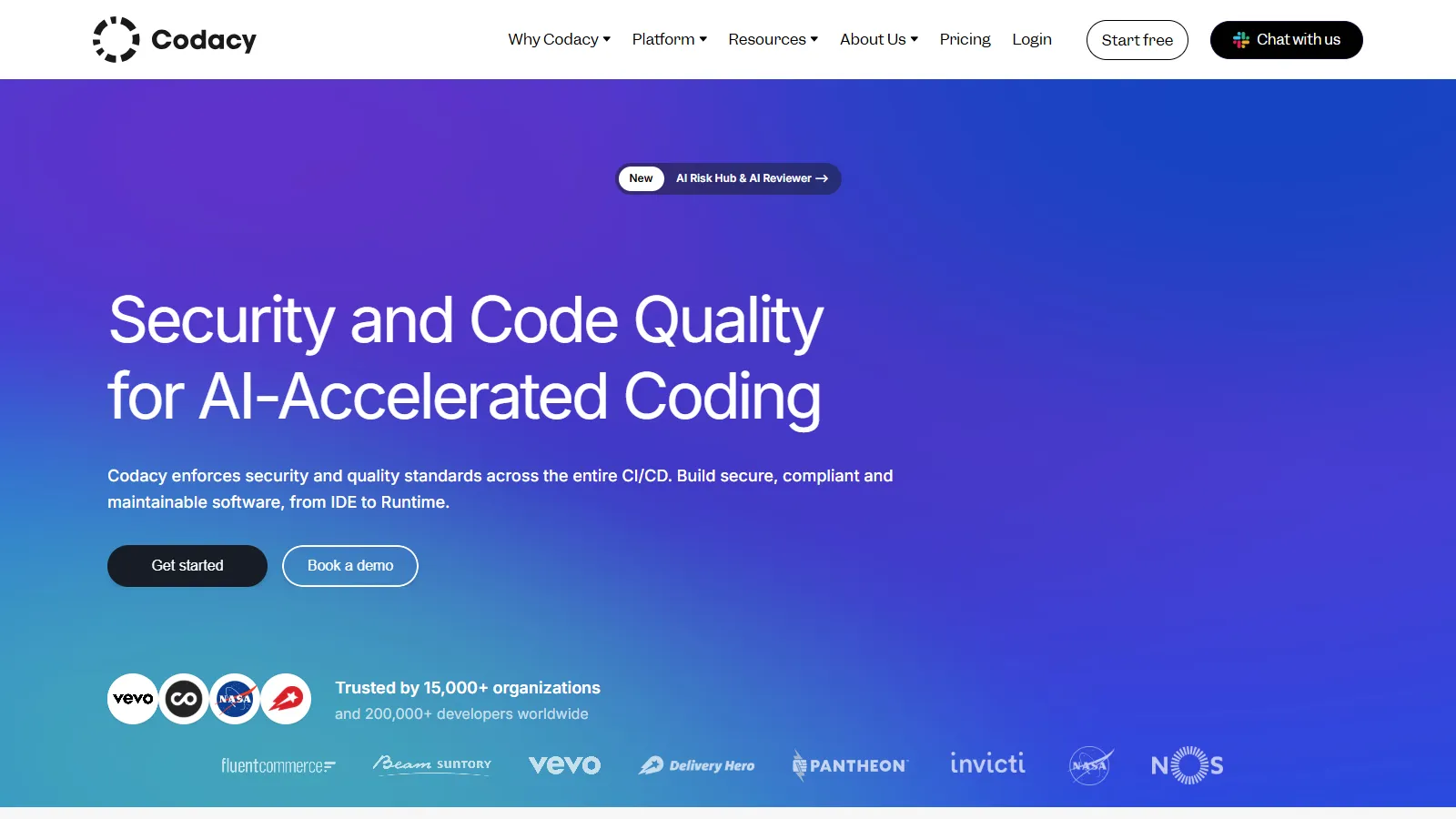
Choose Codacy if you need automated quality.
Common Questions
For most teams, GitHub or GitLab native review is sufficient. Consider specialized tools for stacked PRs, advanced workflows, or self-hosted requirements.
Stacked PRs break large changes into smaller, independent reviews. Reviewers see less code at once, reviews happen faster, and parts can merge independently.
Yes, tools like Codacy catch style issues and potential bugs before human review, letting reviewers focus on logic and architecture.