We tested 10+ Git hosting platforms to find the best alternatives to GitHub. These platforms offer different approaches to code hosting, CI/CD, and team collaboration.
GitLab is the most complete GitHub alternative with built-in CI/CD, security scanning, and project planning. Available self-hosted or cloud with a generous free tier.
Starting priceFree/$29
Strengths
Complete DevOps platform
Excellent CI/CD
Self-hosted option
Security scanning
Generous free tier
Limitations
Can be complex
UI can feel busy
Self-hosted requires resources
Learning curve
Who it's for: Best for teams wanting a complete DevOps platform beyond just code hosting.
We tested each platform for code hosting and team development workflows.
Core Git Features (25%) — Repository management, PRs, and branching.
CI/CD (25%) — Built-in automation and pipeline capabilities.
Collaboration (20%) — Code review, issues, and team features.
Flexibility (15%) — Self-hosted options and customization.
Value (15%) — Features relative to cost.
How to Choose
Choose GitLab if you need complete DevOps platform.
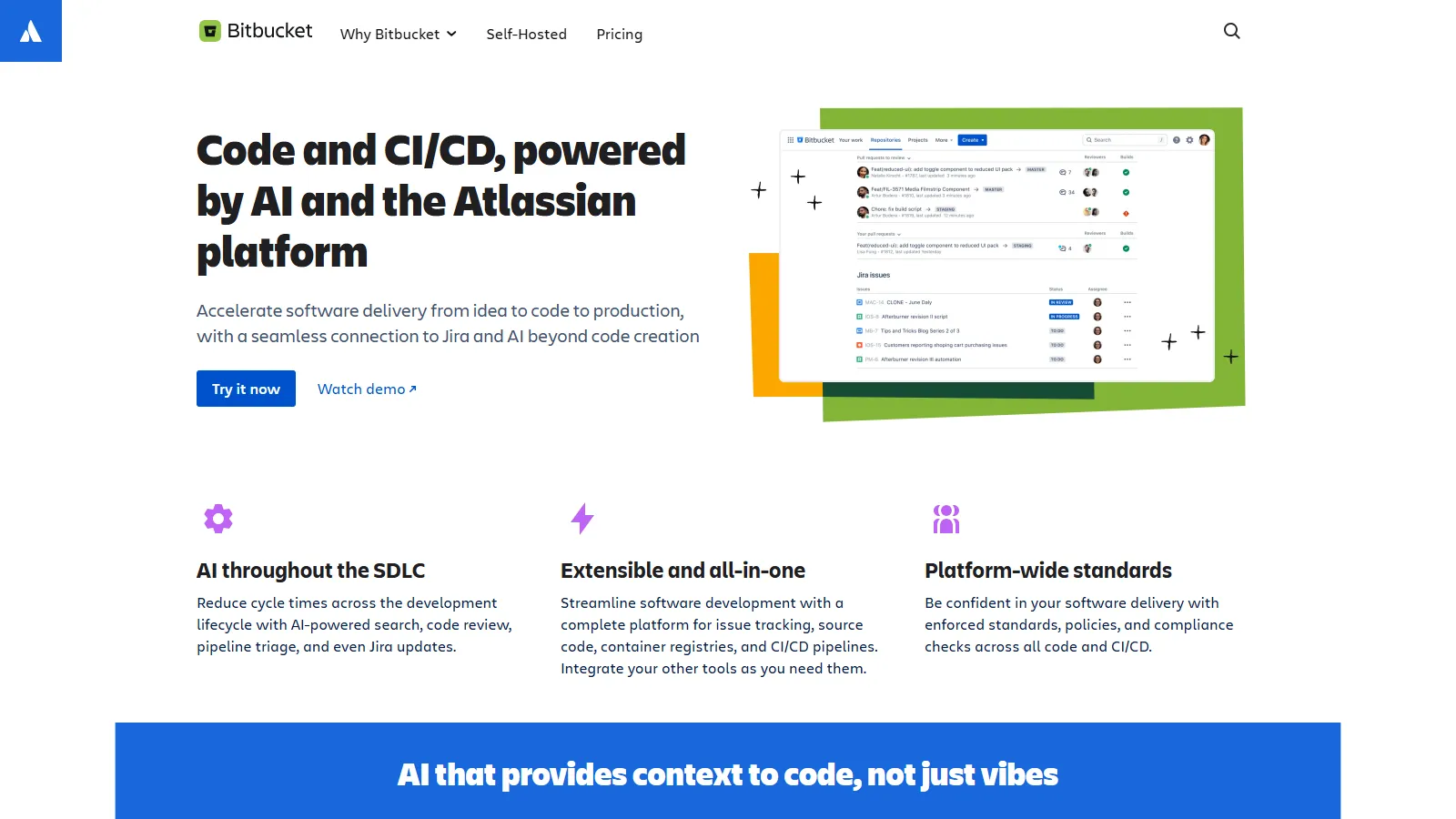
Choose Bitbucket if you need Atlassian/Jira shop.
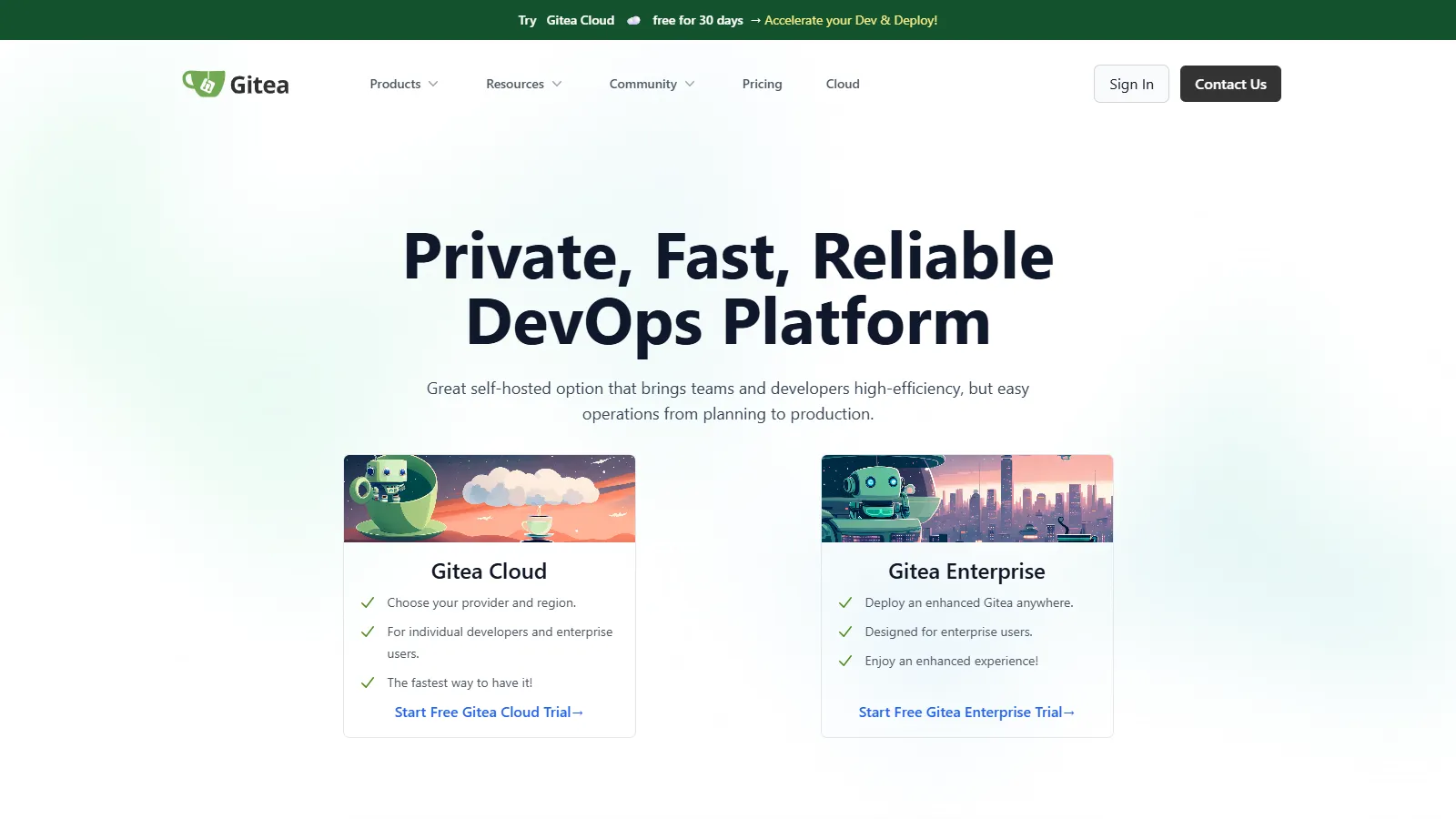
Choose Gitea if you need lightweight self-hosted.
Choose Azure DevOps if you need Microsoft/Azure shop.
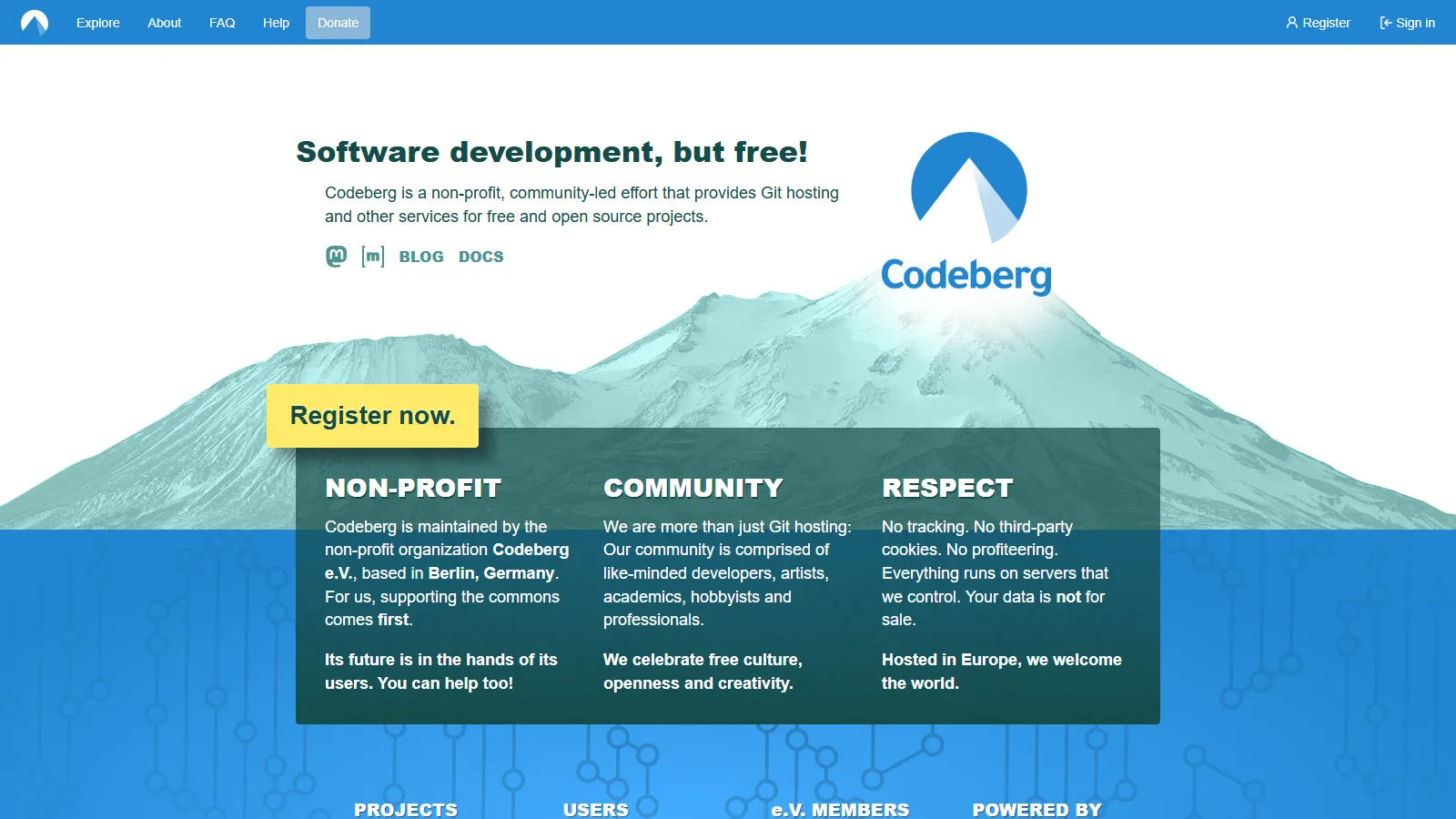
Choose Codeberg if you need privacy and open source.
Common Questions
Reasons include: wanting self-hosted control, complete DevOps in one platform, Microsoft concerns, better Jira integration, privacy, or cost optimization for large teams.
Yes, most alternatives support GitHub import. GitLab, Bitbucket, and Gitea can import repos, issues, and wikis with varying completeness.
GitLab has the most mature built-in CI/CD. Azure DevOps Pipelines is powerful but complex. GitHub Actions is excellent but GitHub, not an alternative.