10 Best Marketing Automation Platforms for SMBs in 2026
Enterprise marketing automation is overkill for most small businesses. SMB platforms offer the essential features—email automation, landing pages, lead scoring, and basic workflows—at prices that won't break the budget. We tested 18+ platforms to find the best for growing businesses.
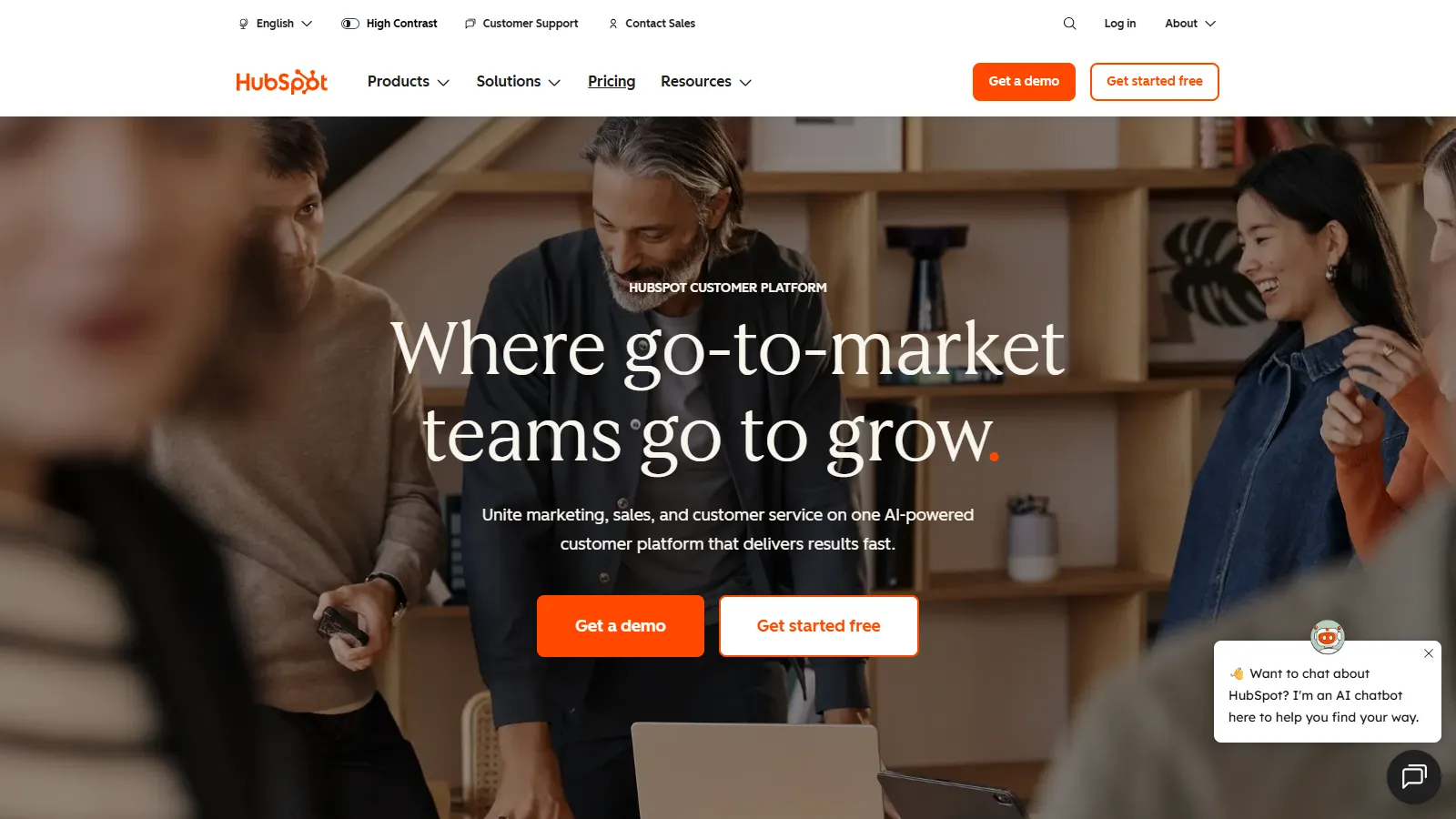
HubSpot offers the best free marketing automation tier in the industry. The free CRM includes contact management, email marketing, forms, and landing pages. As you grow, paid tiers add automation workflows, lead scoring, and advanced reporting. The platform scales from startup to enterprise without requiring migration.
Strengths
Best free tier available
CRM included at no cost
Scales from SMB to enterprise
Excellent learning resources
Wide integration ecosystem
Limitations
Paid tiers can get expensive
Some features require bundle purchases
Marketing Hub alone lacks some CRM features
Who it's for: Best for SMBs that want to start free and grow into more features. Ideal when you value a platform that scales without migration.
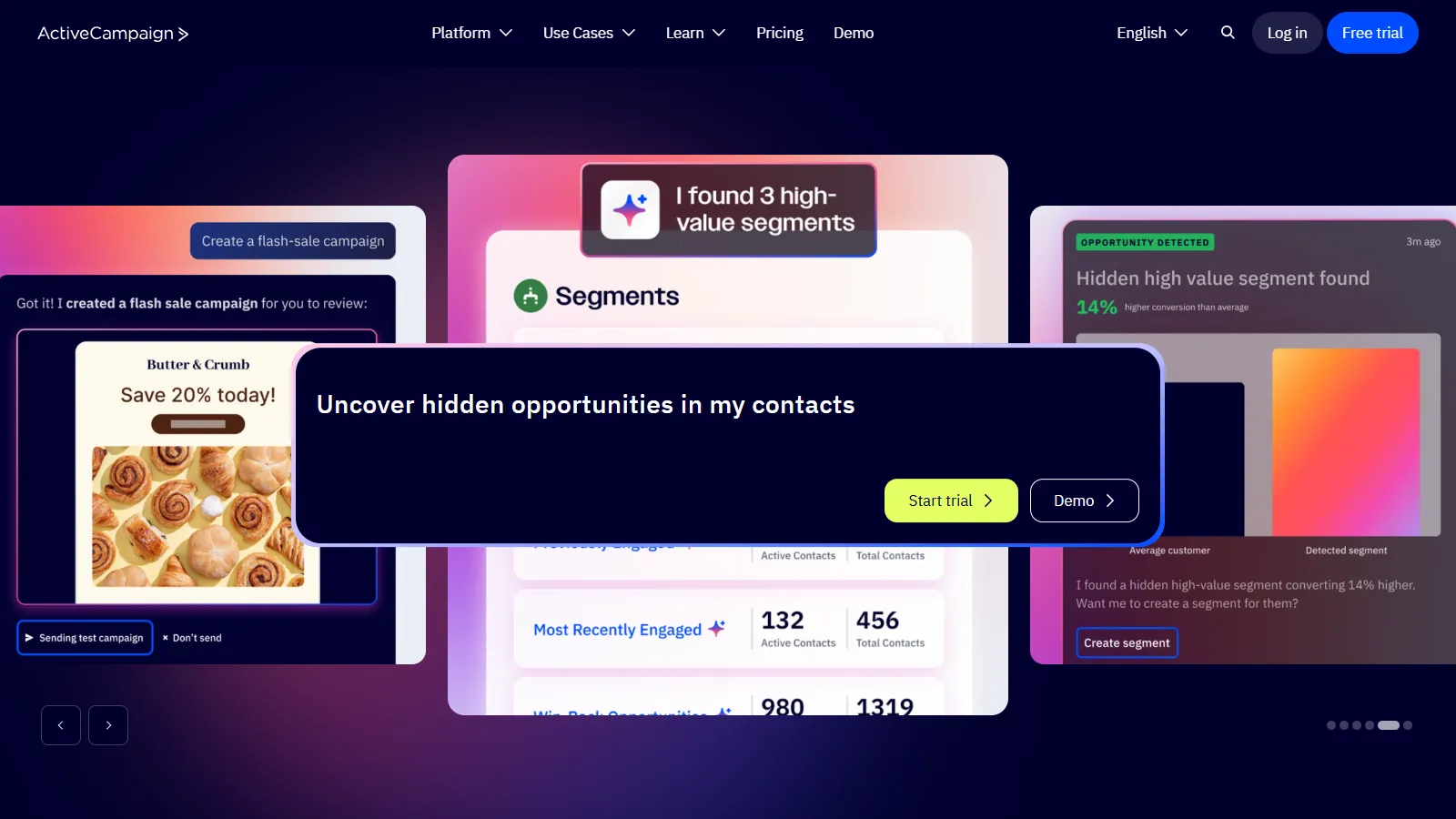
ActiveCampaign delivers enterprise-level automation at SMB pricing. The visual automation builder supports complex workflows with branching logic. CRM and sales automation are included on higher tiers. Site tracking enables behavior-based nurturing. It's the best choice for SMBs that need serious automation power.
Starting price$29/mo
Strengths
Most powerful SMB automation
CRM with sales automation included
Site tracking and behavioral triggers
Excellent deliverability
Reasonable pricing
Limitations
No free tier
Learning curve for advanced features
Interface less intuitive than competitors
Who it's for: Best for SMBs that prioritize automation capabilities over simplicity. Ideal for growing businesses that need sophisticated workflows.
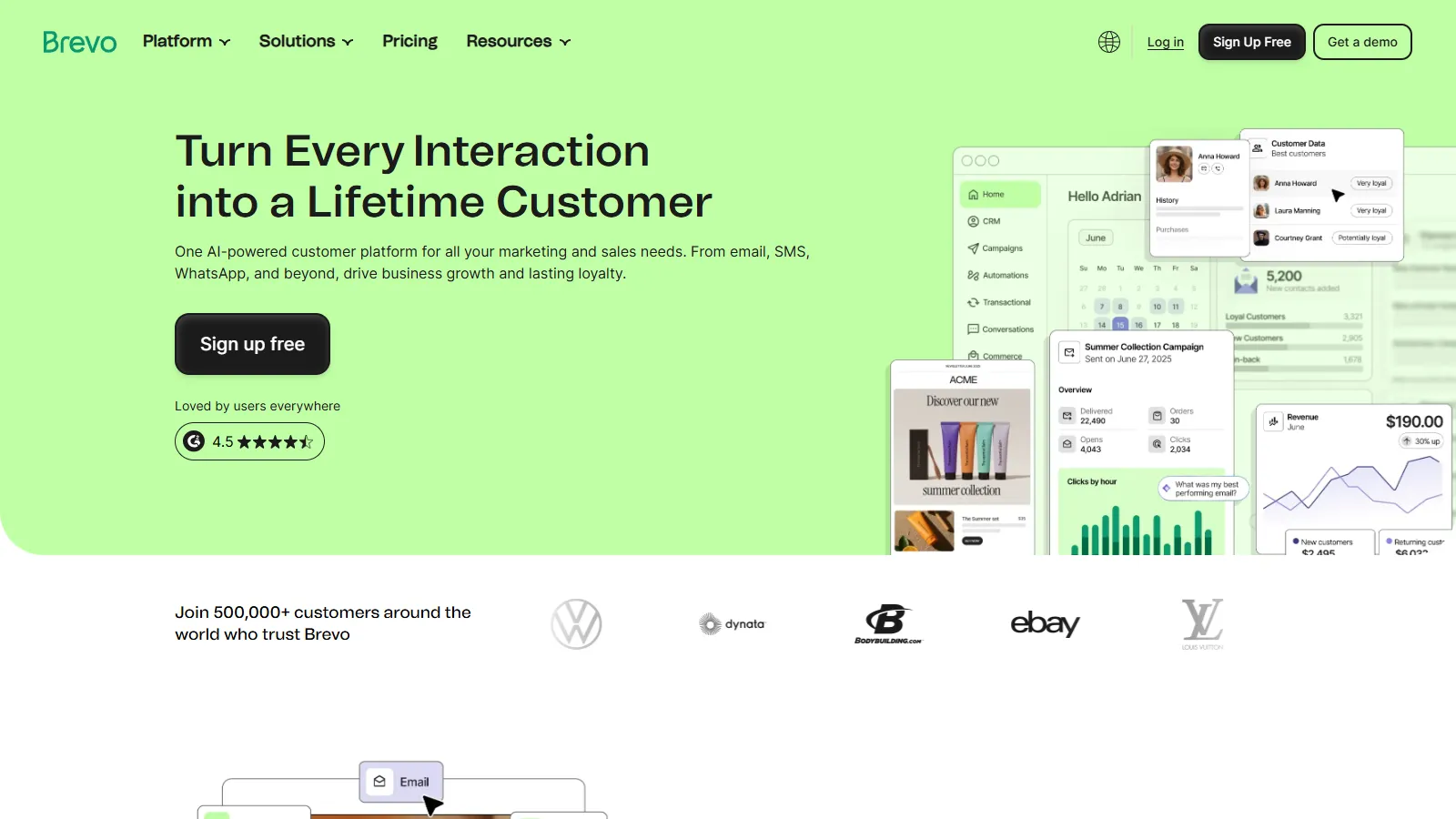
Brevo offers the best value in SMB marketing automation. The free tier includes 300 emails daily. Paid plans add email, SMS, WhatsApp, and chat in one platform. The visual workflow builder handles automation needs. Transactional email is included, making it a complete solution at budget pricing.
Strengths
Best value for money
Email, SMS, and chat included
Good free tier
Transactional email included
Simple interface
Limitations
Interface less polished
Fewer native integrations
Support can be slow
Who it's for: Perfect for budget-conscious SMBs that want multi-channel marketing without paying multiple subscriptions.
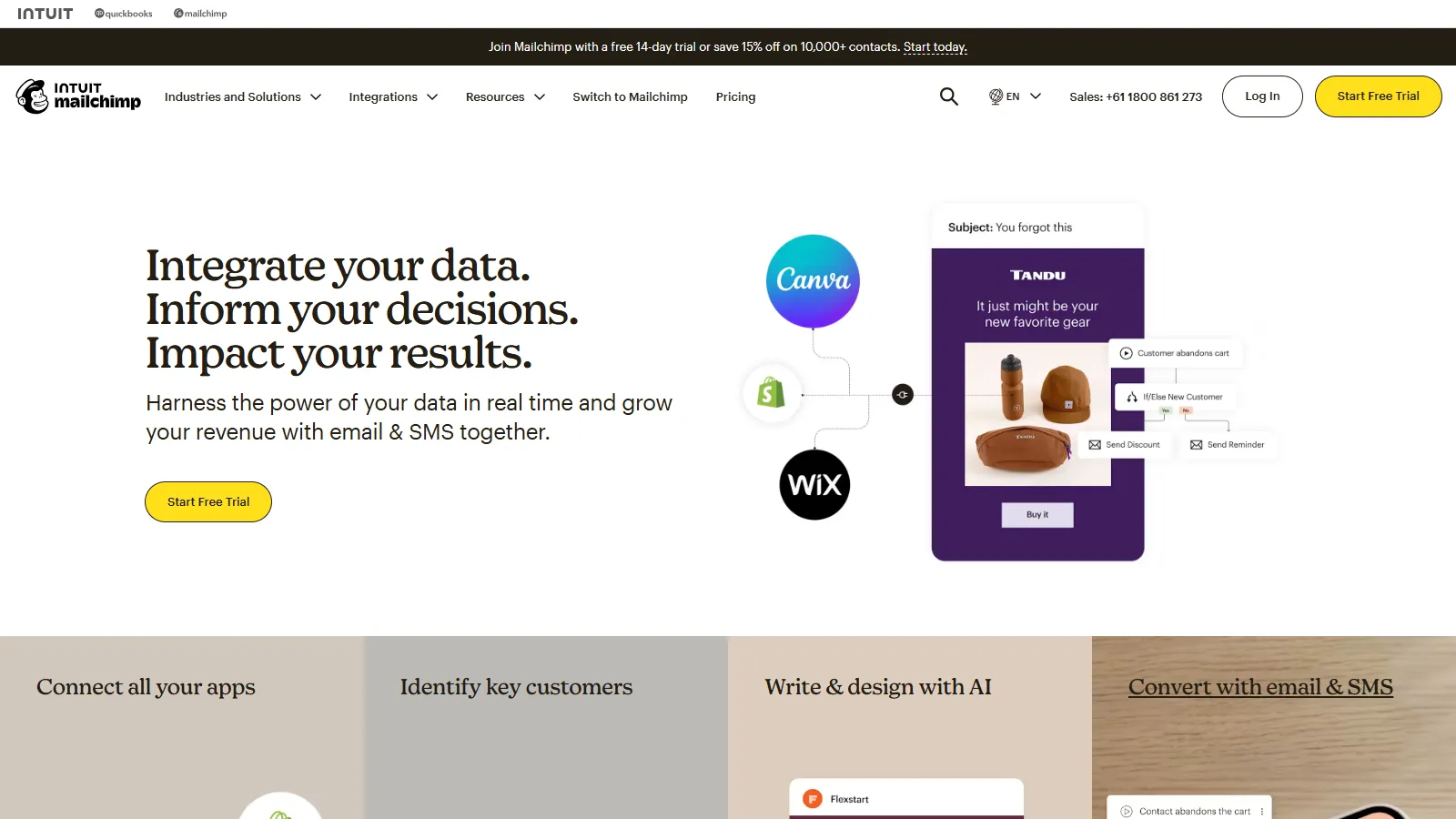
Mailchimp remains the most beginner-friendly marketing platform. The interface is intuitive, templates look good, and Customer Journeys provide visual automation. The free tier works for very small lists. It's the safe choice for non-technical users who want reliable email marketing.
Starting priceFree/$13/mo
Strengths
Easiest to learn
Great email templates
Familiar trusted brand
Good free tier
Wide integrations
Limitations
Gets expensive as you scale
Automation less powerful
No native CRM
Pricing per contact adds up
Who it's for: Best for beginners and non-technical teams who prioritize ease of use over advanced features.
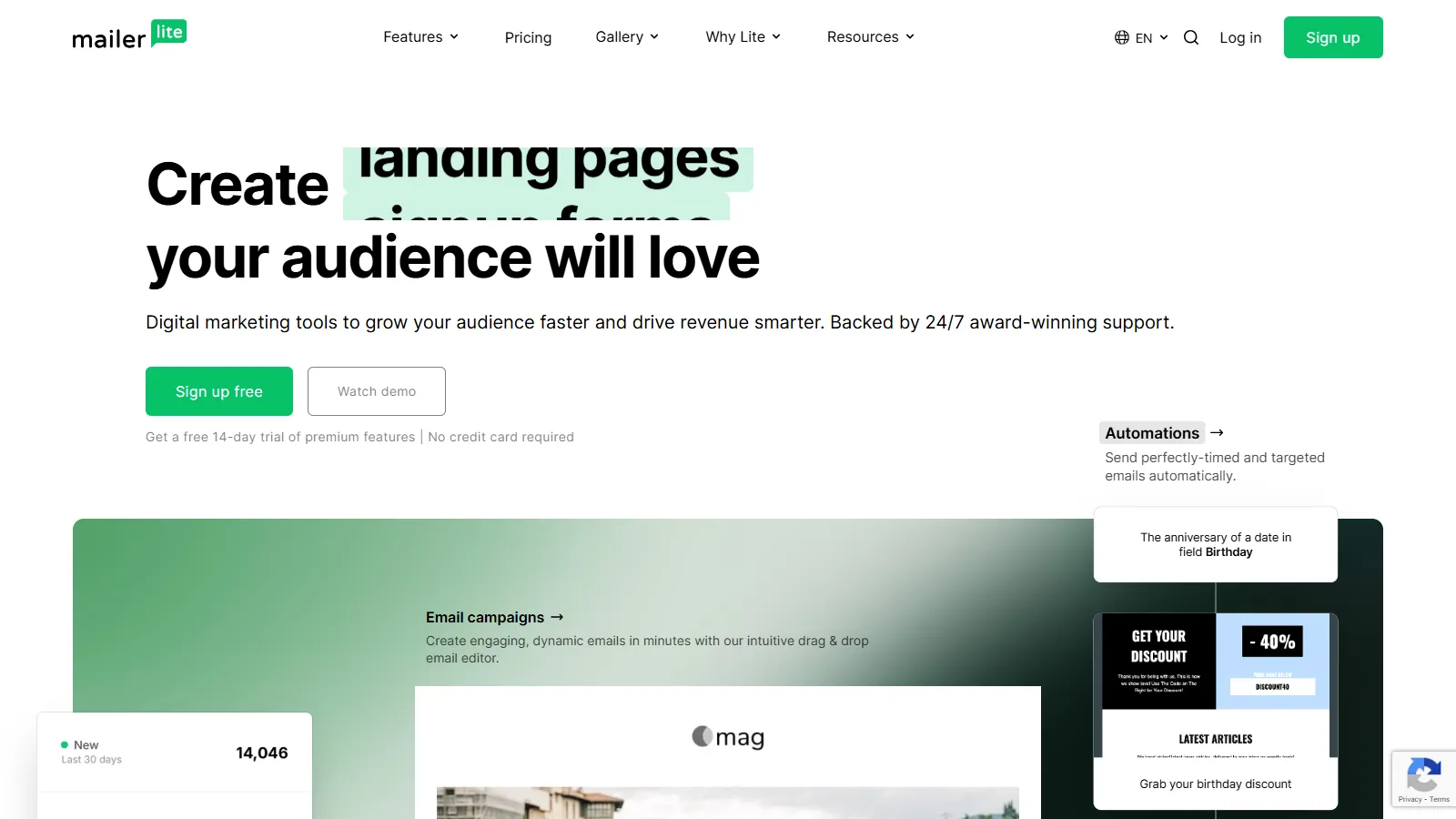
MailerLite provides a clean, simple platform at very affordable pricing. The free tier supports 1,000 subscribers. Website builder and landing pages are included. Automation covers the essentials without overwhelming. It's refreshingly simple compared to feature-bloated competitors.
Starting priceFree/$10/mo
Strengths
Clean simple interface
Very affordable
Website builder included
Good free tier
Fast support
Limitations
Fewer advanced features
No CRM
Limited integrations
Basic reporting
Who it's for: Best for solopreneurs and small teams who want simplicity and affordability over bells and whistles.
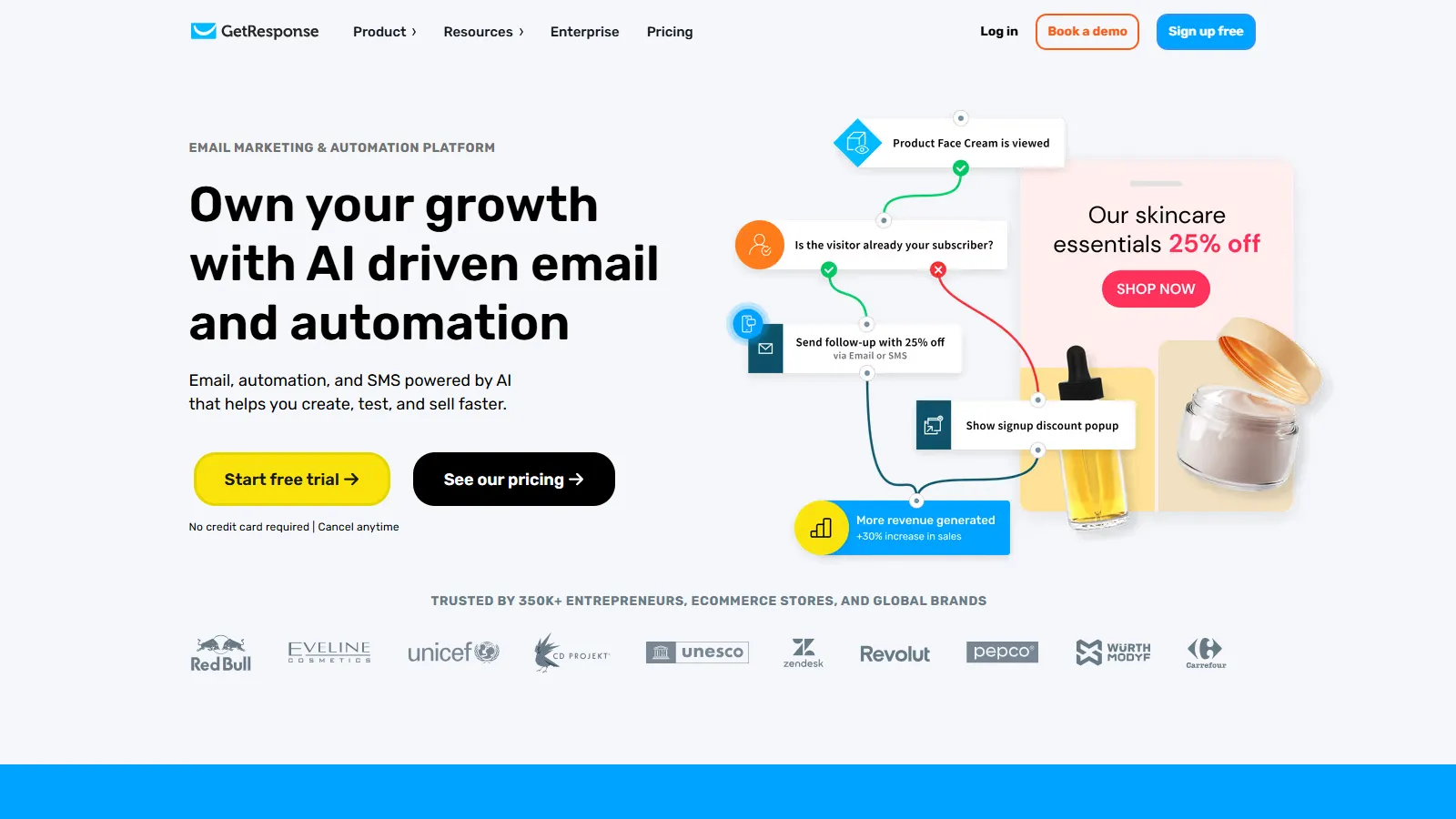
GetResponse combines email automation with webinar hosting and conversion funnels. The built-in webinar platform eliminates the need for separate tools. Funnel builder creates complete marketing sequences. It's ideal for businesses that use webinars for lead generation and sales.
Starting price$19/mo
Strengths
Built-in webinar hosting
Conversion funnels included
Solid automation
Landing pages included
Competitive pricing
Limitations
Interface feels dated
Webinars require higher tiers
Less modern than competitors
Who it's for: Best for SMBs that use webinars for marketing and want email, webinars, and funnels in one platform.
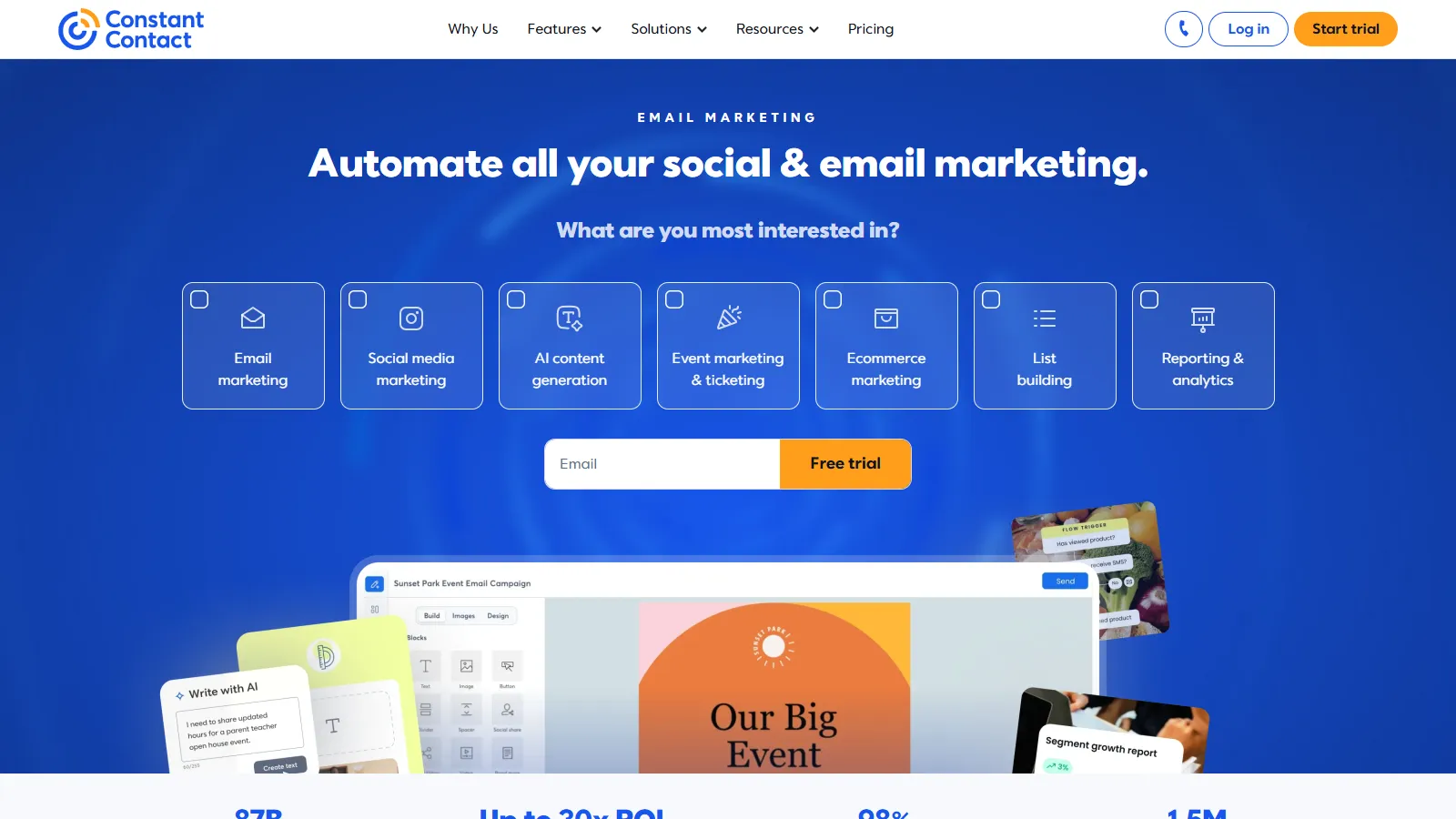
Constant Contact serves local businesses with event marketing, social posting, and email in one platform. The event management features handle registration and promotion. Social media integration posts and schedules content. It's straightforward for traditional small businesses.
Starting price$12/mo
Strengths
Event marketing features
Social media posting
Phone support available
Good for local business
Simple to use
Limitations
Limited automation
Fewer integrations
Pricing per contact
Less modern features
Who it's for: Best for local businesses and organizations that host events and need straightforward email marketing.
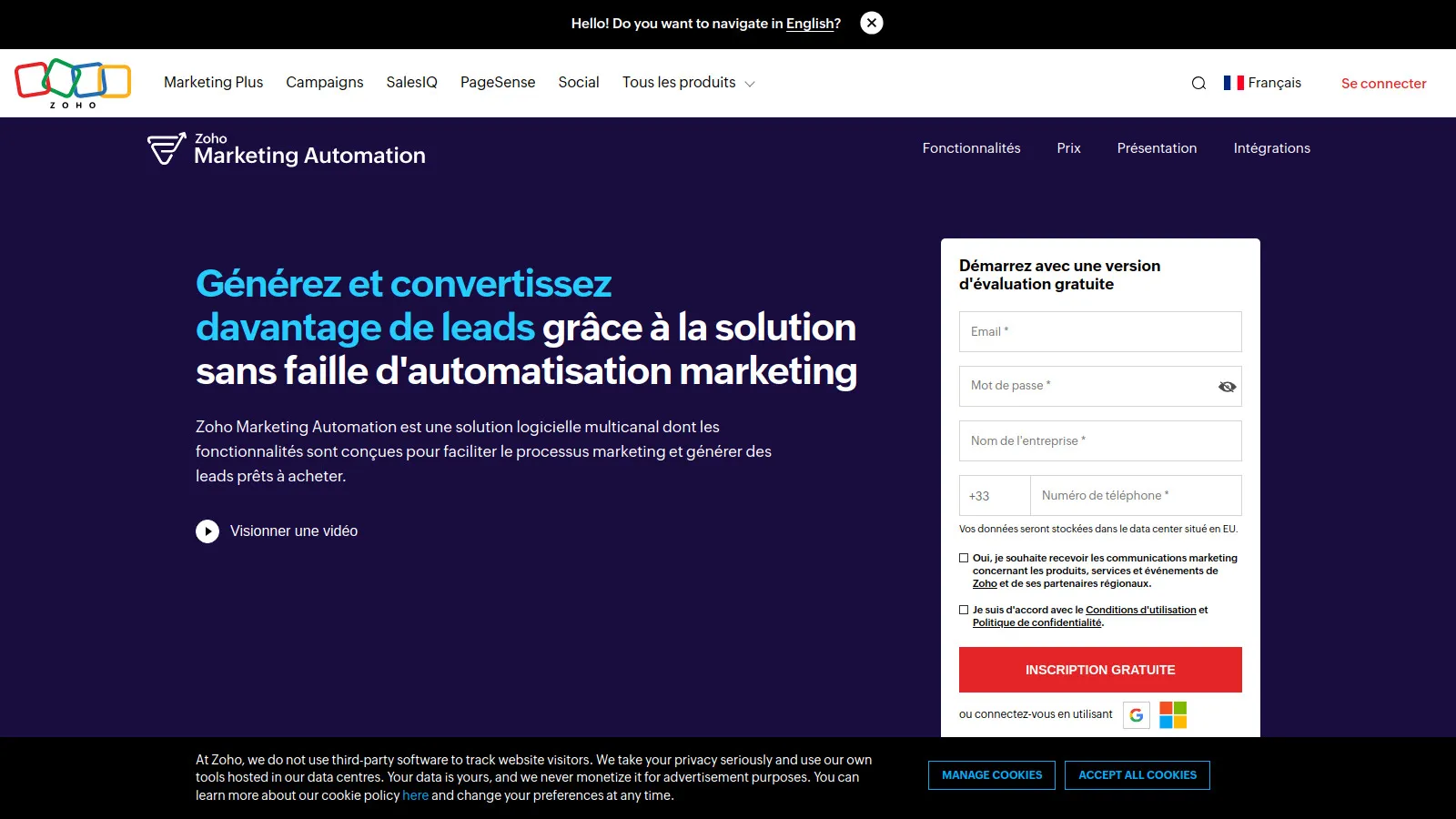
Zoho Marketing Automation integrates natively with Zoho CRM and the broader Zoho ecosystem. Journey builder creates multi-stage nurturing. Lead scoring identifies sales-ready contacts. For Zoho CRM users, it's the natural choice for marketing automation.
Strengths
Native Zoho CRM integration
Affordable in Zoho bundle
Journey builder
Lead scoring
Full suite available
Limitations
Best with Zoho ecosystem
Interface can be clunky
Less standalone value
Learning curve
Who it's for: Best for SMBs already using Zoho CRM who want native marketing automation integration.
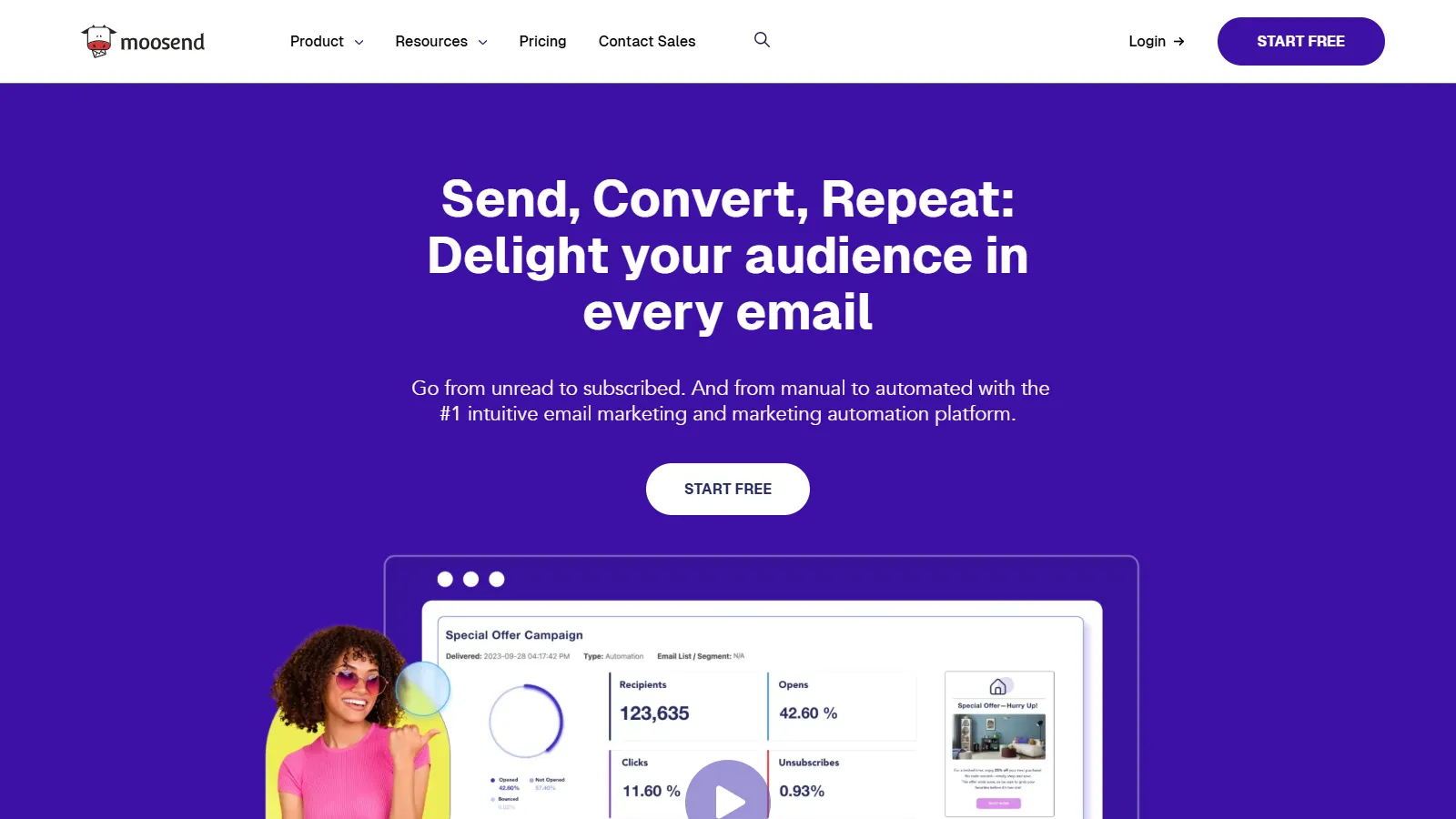
Moosend delivers pro-level features at budget pricing. Unlimited emails on all plans eliminate volume concerns. The automation builder handles sophisticated workflows. E-commerce integrations and product recommendations add value for online stores.
Starting price$9/mo
Strengths
Very affordable pricing
Unlimited emails
Good automation
E-commerce features
Clean interface
Limitations
Smaller company
Fewer integrations
Less brand recognition
Limited support resources
Who it's for: Best for budget-conscious SMBs that want pro automation features without premium pricing.
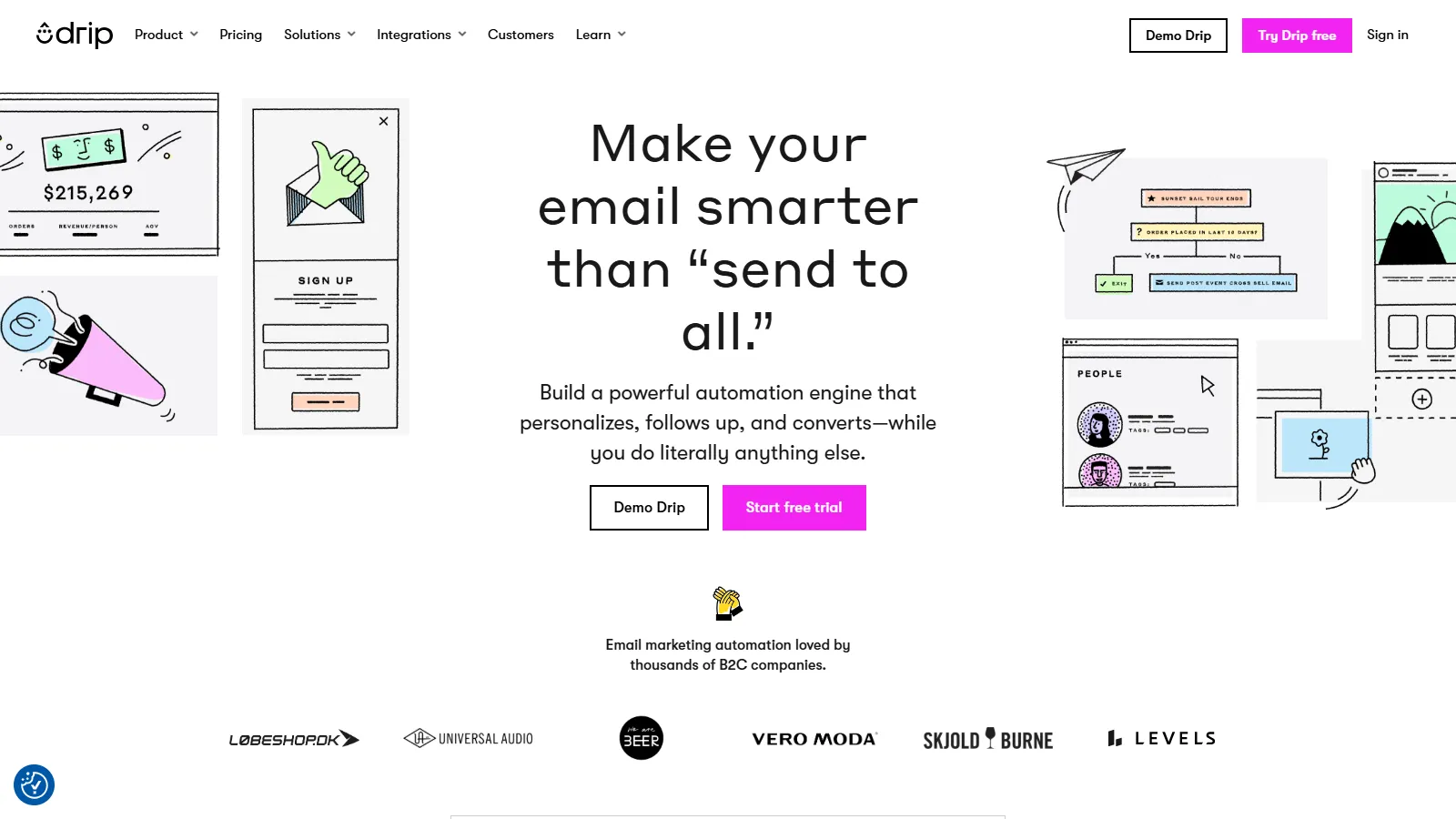
Drip specializes in e-commerce marketing automation. Deep Shopify and WooCommerce integrations trigger automations from purchase behavior. Revenue attribution shows which campaigns drive sales. Pre-built e-commerce playbooks accelerate setup. It's the SMB choice for online store marketing.
Starting price$39/mo
Strengths
Built for e-commerce
Revenue per campaign tracking
Deep Shopify integration
Pre-built e-commerce flows
Behavioral triggers
Limitations
E-commerce focused only
Higher starting price
Less suited for B2B
No built-in CRM
Who it's for: Best for e-commerce SMBs on Shopify or WooCommerce who want marketing tied to purchase behavior.
We evaluated platforms from an SMB perspective, prioritizing value and ease of use:
Value for Money (30%) — Feature-to-price ratio and scalability of pricing as you grow.
Ease of Use (25%) — Learning curve, interface design, and time to first campaign.
Essential Features (20%) — Email, landing pages, forms, basic automation, and reporting.
Growth Path (15%) — Ability to scale without switching platforms as you grow.
Support & Resources (10%) — Customer support quality, documentation, and learning resources.
How to Choose
Choose HubSpot if you need Want to start free.
Choose ActiveCampaign if you need Need powerful automation.
Choose Brevo if you need Tightest budget.
Choose Mailchimp if you need Easiest to learn.
Choose MailerLite if you need Want simplicity.
Choose GetResponse if you need Use webinars.
Choose Constant Contact if you need Local business with events.
Choose Zoho Marketing if you need Zoho CRM user.
Choose Drip if you need E-commerce store.
Common Questions
Most SMBs can start with free tiers or $25-50/month. Plan to spend $50-200/month as you grow to 10,000+ contacts and need more features. Avoid overspending on enterprise features you won't use.
If your marketing automation includes CRM (HubSpot, ActiveCampaign), you may not need a separate CRM for small teams. Larger sales teams typically benefit from dedicated CRM with marketing automation integration.
Consider upgrading when you have 50,000+ contacts, need advanced lead scoring, require sophisticated attribution, or have dedicated marketing operations staff. Most SMBs don't need enterprise platforms until they're truly enterprise-sized.
Essential features: email marketing, basic automation (welcome series, abandoned cart), landing pages or forms, and integration with your website. Lead scoring and advanced segmentation are nice-to-have for early-stage SMBs.