Best CRM Tools for Startups and Early-Stage Companies
We tested 15+ CRMs to find the best options for startups. These tools grow with you from founder-led sales through your first sales hires, without enterprise complexity or pricing.
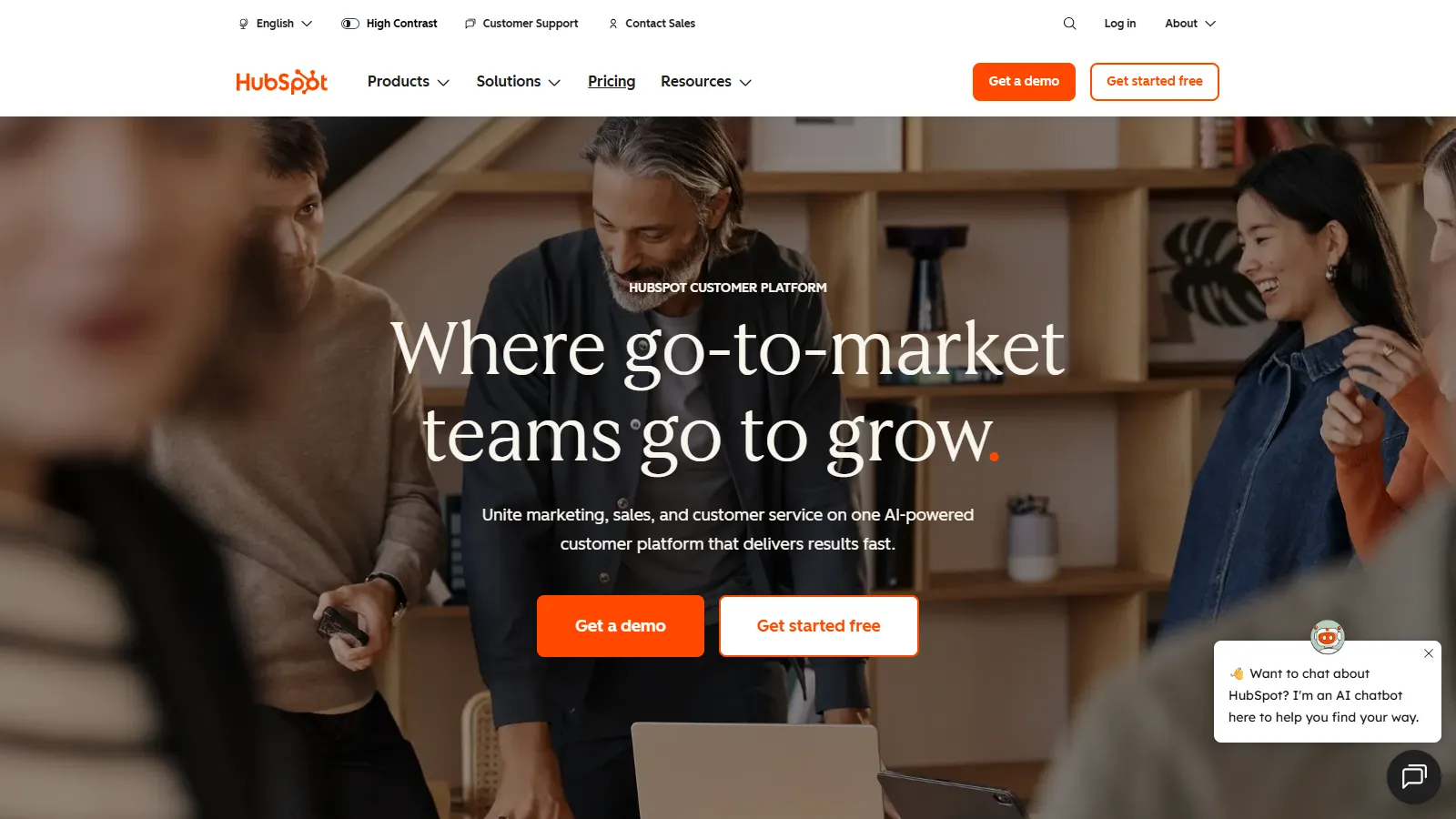
HubSpot CRM offers a genuinely free tier with unlimited users and contacts. Startups can manage pipelines, track emails, and store contacts without paying until they need advanced features like sequences or automation.
Starting priceFree
Strengths
Truly free forever tier
Unlimited users on free
Email tracking included
Massive ecosystem
Scales to enterprise
Limitations
Paid features expensive
Can get complex
Marketing Hub costs add up
Learning curve for advanced
Who it's for: Best for startups wanting a free starting point that can scale without switching platforms later.
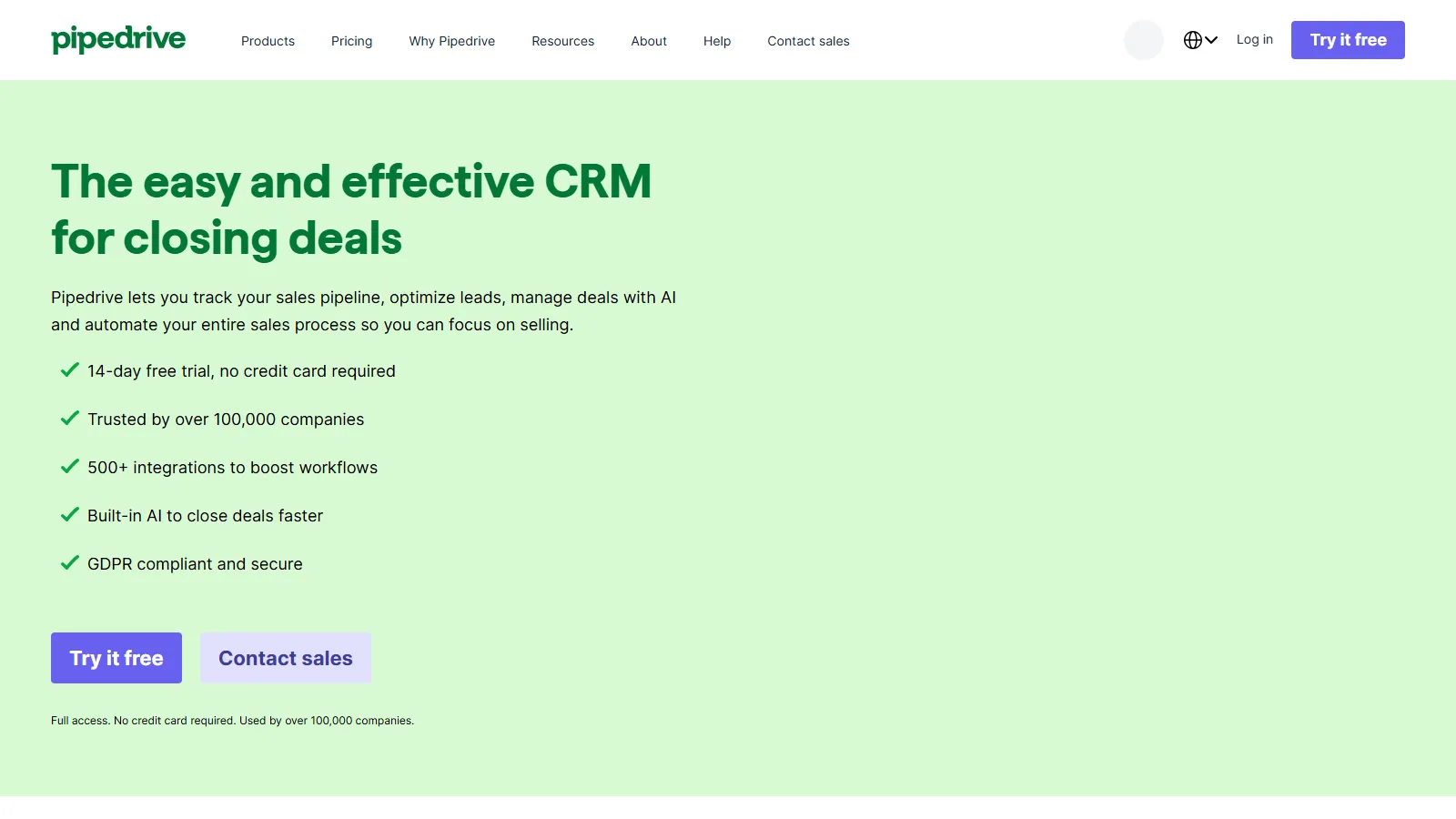
Pipedrive visual pipeline makes sales simple for founders who arent sales experts. Drag deals through stages, set activities, and stay organized without drowning in features.
Starting price$14/user/mo
Strengths
Extremely intuitive
Visual pipeline focus
Activity reminders
Affordable pricing
Quick setup
Limitations
No free tier
Limited free integrations
Reporting basic on low tiers
Marketing features limited
Who it's for: Best for non-sales founders who want something dead simple to start selling.
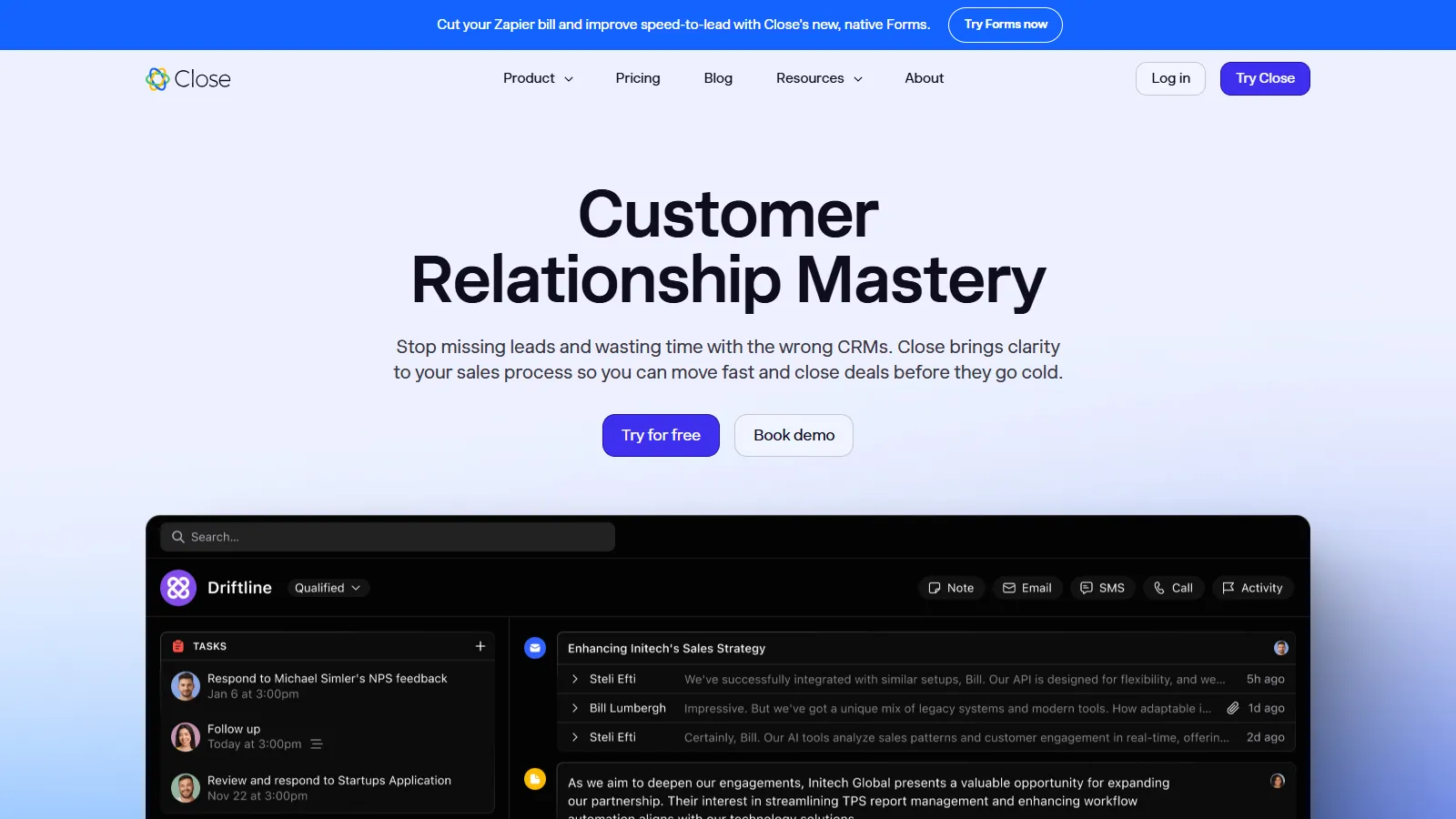
Close combines CRM with built-in calling, SMS, and email sequences. Startups doing high-volume outbound get everything in one platform without juggling multiple tools.
Starting price$49/user/mo
Strengths
Built-in power dialer
Email sequences included
SMS support
Startup-focused pricing
All-in-one platform
Limitations
Higher starting price
No free tier
Calling costs extra
Less customizable
Who it's for: Best for startups doing heavy outbound with phone and email in their sales motion.
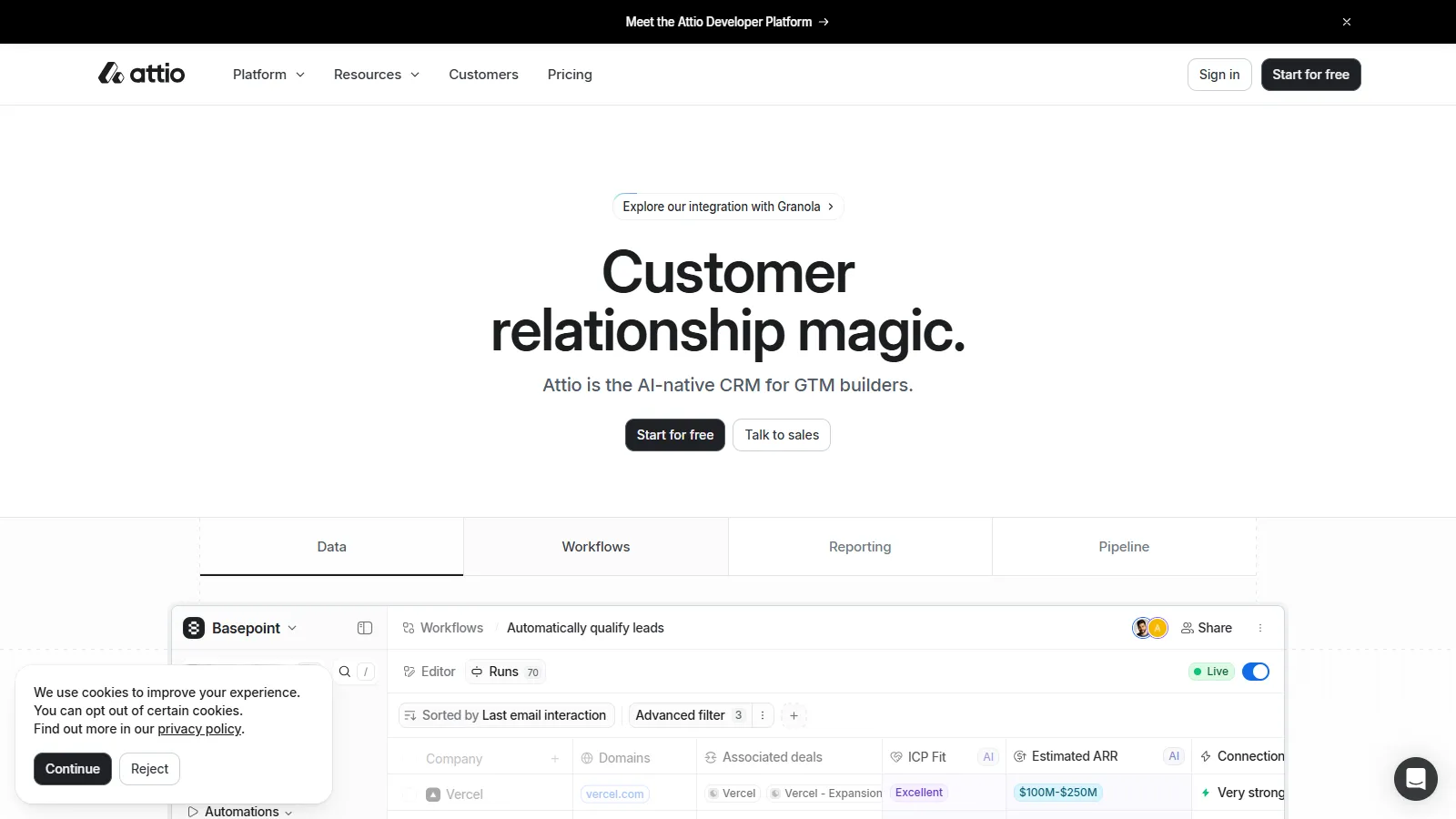
Attio is a next-generation CRM with a flexible data model and relationship graphs. Startups with unique workflows can model their data exactly how they need it.
Starting priceFree
Strengths
Modern architecture
Flexible data model
Beautiful UI
Free tier available
API-first design
Limitations
Newer platform
Fewer integrations
Learning curve
Less mature ecosystem
Who it's for: Best for technical founders wanting a modern CRM they can customize deeply.
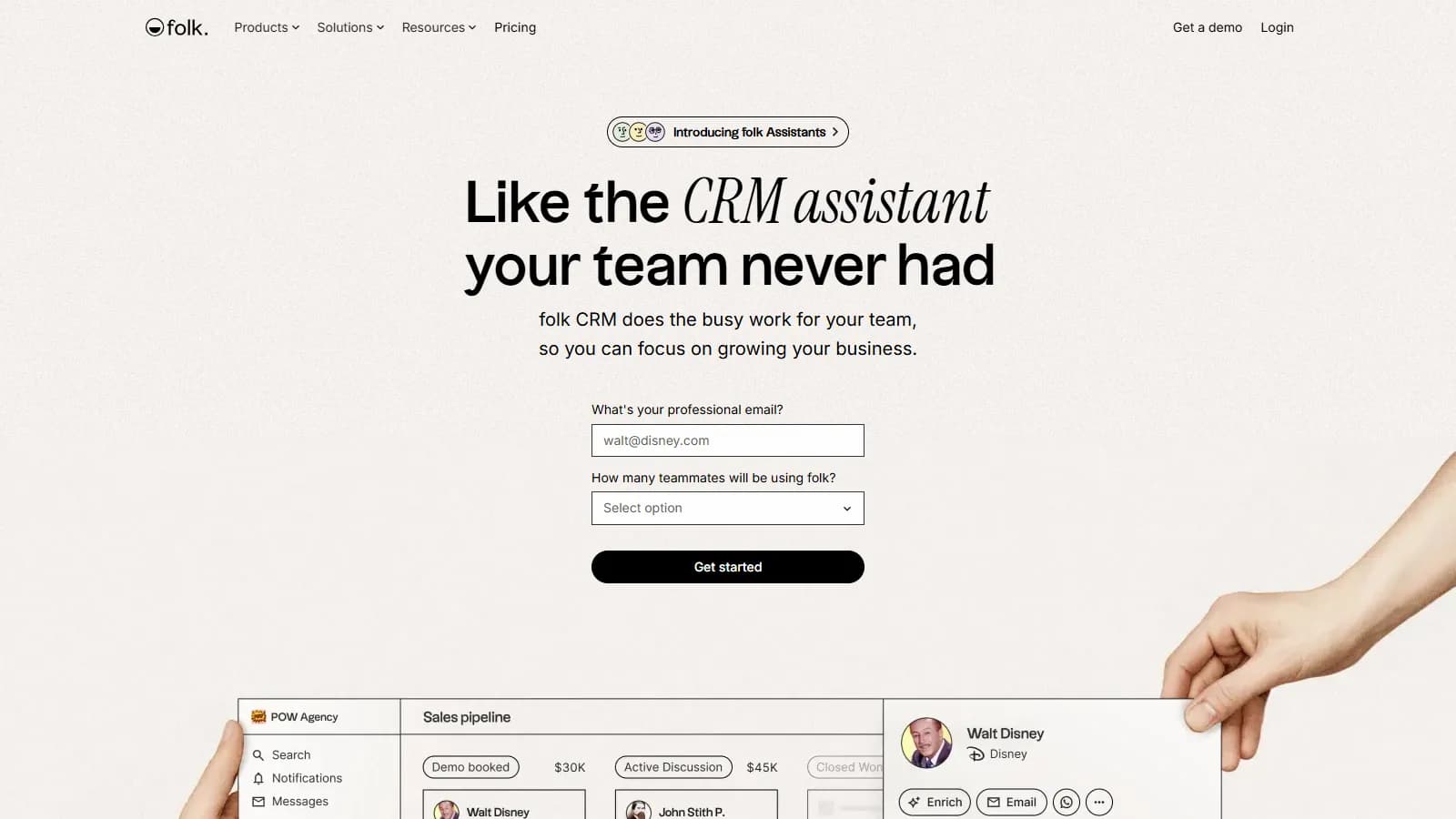
Folk takes a contact-first approach to CRM, perfect for relationship-driven founders. The Chrome extension captures contacts from anywhere, and mail merge handles personalized outreach.
Starting priceFree
Strengths
Contact-centric design
Great Chrome extension
Mail merge built-in
Simple interface
Free tier
Limitations
Less pipeline-focused
Limited automation
Smaller ecosystem
Basic reporting
Who it's for: Best for founders whose sales is more about relationships than high-volume pipeline.
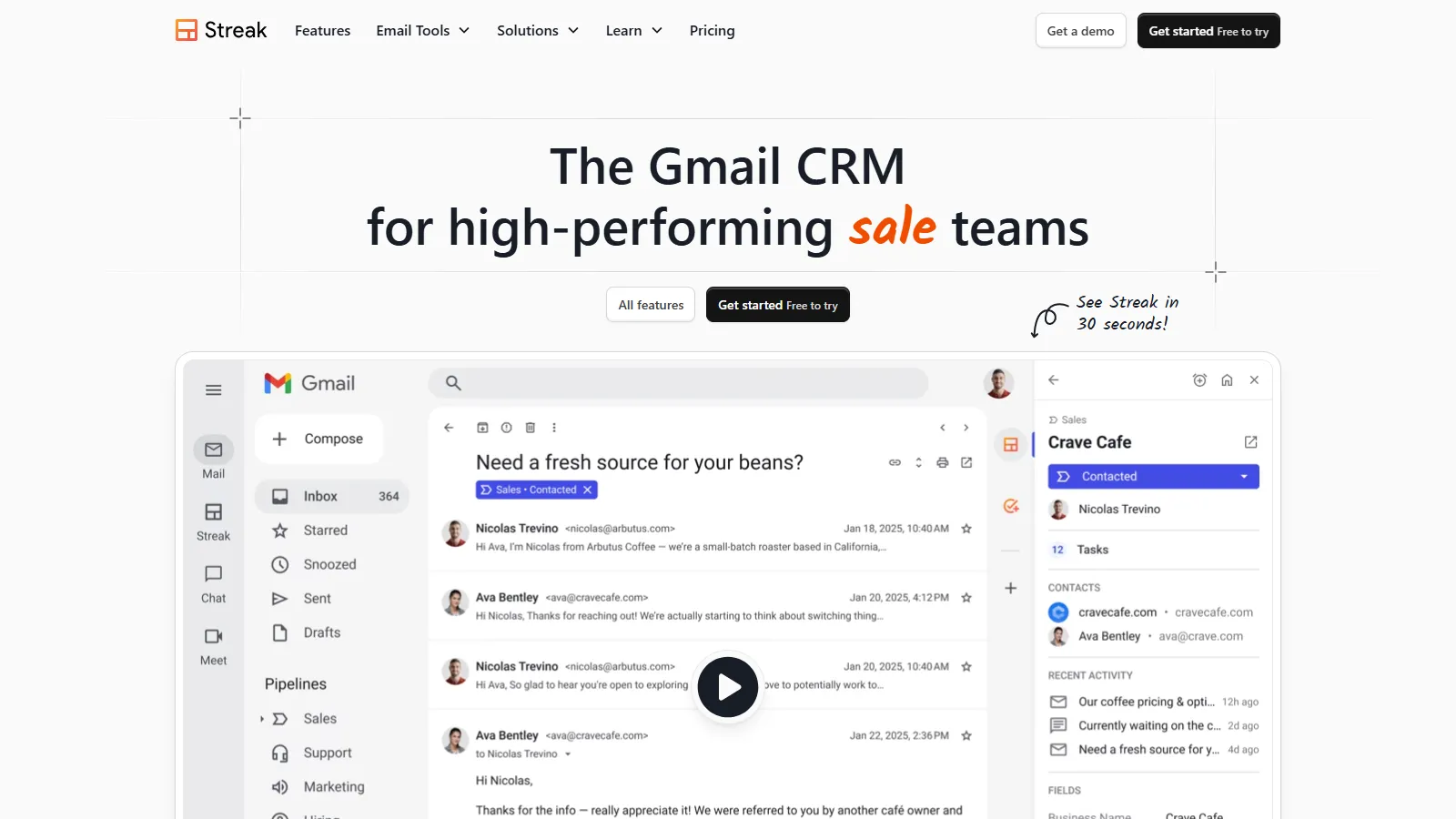
Streak lives entirely inside Gmail, turning your inbox into a CRM. Perfect for founders who live in email and dont want to context-switch to a separate app.
Starting priceFree
Strengths
Lives in Gmail
Generous free tier
Mail merge included
No context switching
Mobile app
Limitations
Gmail only
Limited pipeline views
Less powerful reporting
Not for complex sales
Who it's for: Best for Gmail-centric founders who want CRM without leaving their inbox.
We tested each CRM specifically for startup needs and growth scenarios.
Startup Fit (30%) — How well the tool fits founder-led and early-stage sales.
Ease of Setup (25%) — Time to get productive without training.
Scalability (20%) — Ability to grow with the company.
Pricing (15%) — Value at startup budget levels.
Core Features (10%) — Pipeline, contacts, and activity tracking.
How to Choose
Choose HubSpot CRM if you need free CRM that scales.
Choose Pipedrive if you need simple visual pipeline.
Choose Close if you need built-in calling and sequences.
Choose Streak if you need live in Gmail.
Choose Notion CRM if you need already use Notion.
Common Questions
As soon as you have more deals than you can track in your head or a spreadsheet. For most startups, this is after 10-20 active opportunities or when you hire your first salesperson.
Yes. Free tiers from HubSpot, Attio, or Streak let you validate your sales process before investing. Upgrade when you hit feature limits, not before.
Salesforce is overkill for most startups. The complexity and cost make sense at scale, but early-stage companies should use simpler tools until they have dedicated sales ops.