
Key Takeaways
- •YMYL compliance required: Finance content triggers Google's strictest quality standards—transparent methodology, expert review, and proper disclosures are essential
- •Risk-aware comparisons: Every financial product recommendation must include appropriate risk context, fees, and suitability considerations
- •Regulatory transparency: Disclose affiliate relationships, not FDIC advice, and any compensation that could affect recommendations
- •Trust signals compound: Industry certifications, third-party ratings, and visible methodology build the credibility finance readers require
Finance best-of pages influence significant monetary decisions. When someone searches "best high-yield savings accounts" or "top investing apps for beginners," they're making choices that affect their financial future. This responsibility—combined with Google's YMYL (Your Money or Your Life) quality standards—creates unique challenges for finance content creators.
This guide covers how to build finance best-of pages that rank while genuinely helping readers make better financial decisions. We'll explore credibility architecture, risk-aware content design, regulatory compliance, and the trust signals that satisfy both search quality requirements and finance-savvy readers.
Understanding YMYL Standards for Finance#
Google classifies financial content as YMYL, applying its highest quality standards. Thin, affiliate-driven comparison pages are actively penalized. Ranking for competitive finance keywords requires demonstrating genuine expertise and reader-first content design.
Do
- ✓Display author financial credentials prominently
- ✓Include clear disclosure of affiliate relationships
- ✓Provide risk context for every recommendation
- ✓Link to regulatory sources (SEC, FDIC, CFPB)
Don't
- ✕Make guaranteed return promises
- ✕Hide fees or unfavorable terms
- ✕Ignore risk considerations for products
- ✕Present marketing claims as research
Building Finance Credibility Architecture#
Finance readers are appropriately skeptical—they've seen misleading content and understand incentives behind "best of" lists. Your credibility architecture must address this skepticism head-on with transparency.
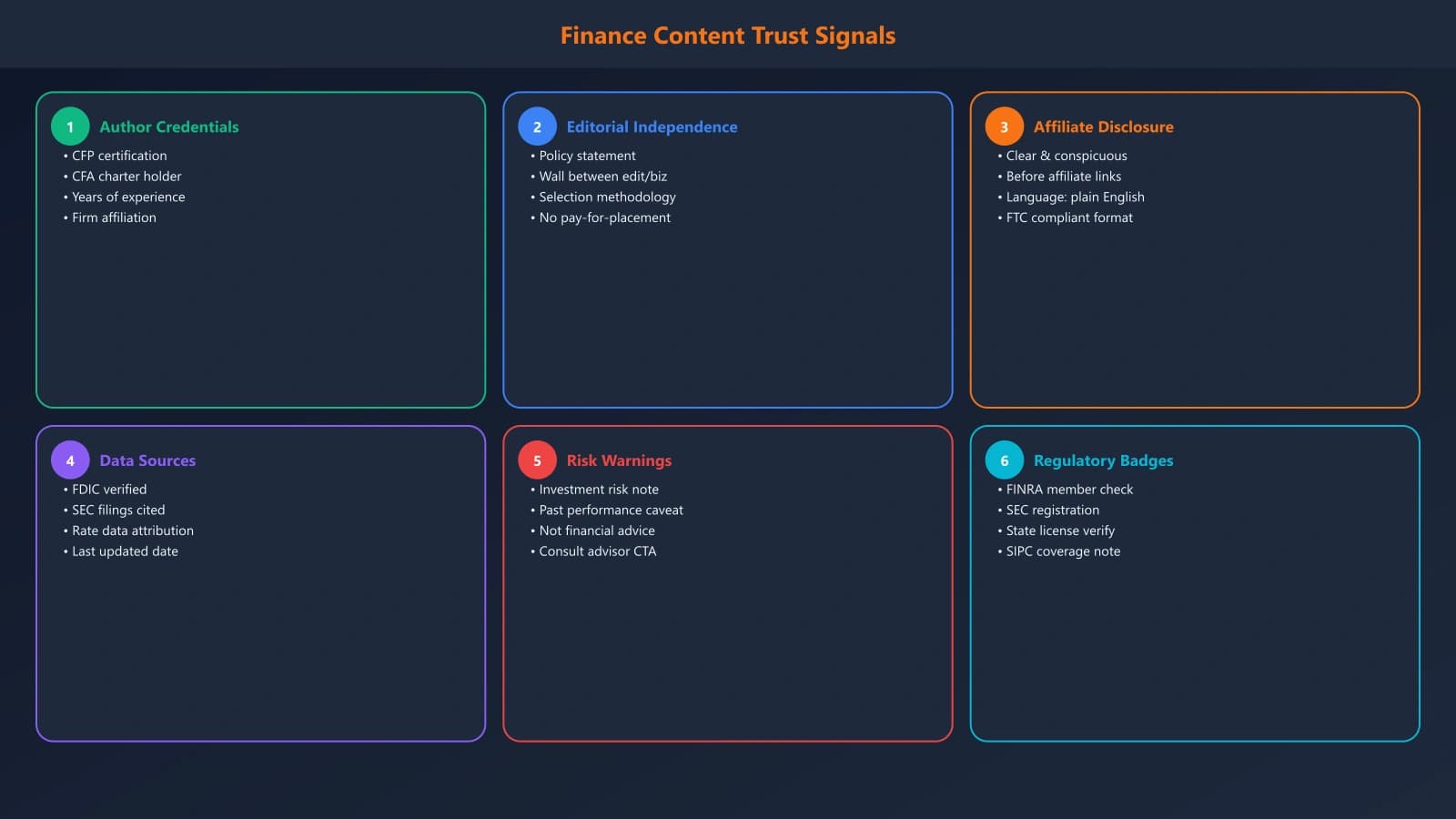
Figure 1: Essential trust elements for finance best-of pages
Risk-Aware Content Design#
Every financial product carries risk. Best-of pages that ignore risk in favor of promotional language lose credibility and potentially expose readers to harm. Risk-aware design builds trust while protecting both readers and publishers.
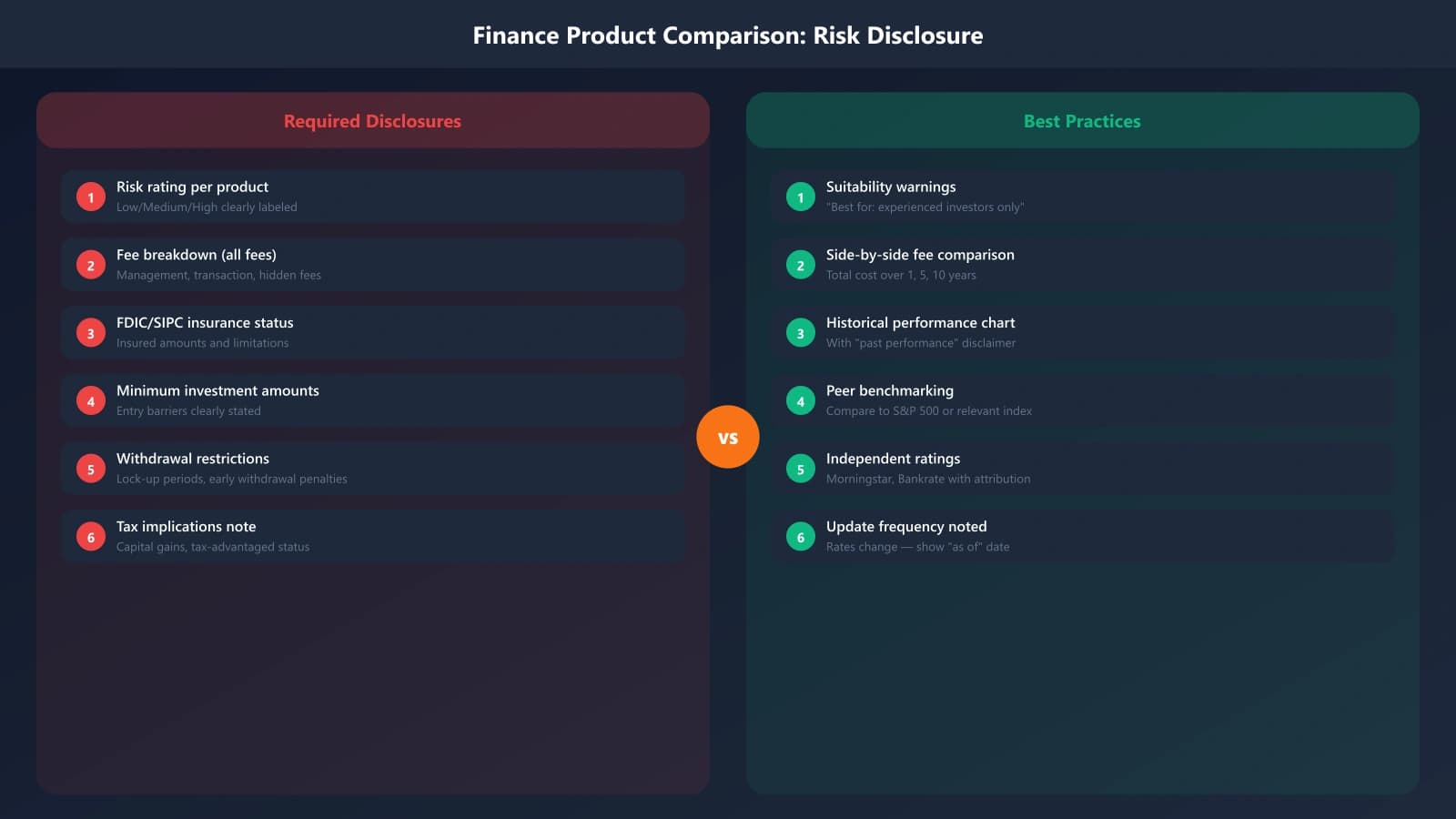
Figure 2: Risk-aware presentation in finance comparisons
- 1Risk CategorizationAssign and display risk levels (low/medium/high) based on standardized criteria
- 2Fee TransparencyShow all fees—management, transaction, penalty—not just headline rates
- 3Suitability ContextIndicate who each product is best for and who should avoid it
- 4Insurance StatusClearly note FDIC/SIPC coverage status and limits
- 5Comparison FairnessCompare products of similar risk profiles; don't mix apples and oranges
Required Disclosure
Building Transparent Methodology#
Finance readers expect to understand how recommendations are made. A detailed methodology section builds trust, provides defensibility, and signals quality to search engines.
| Criterion | Weight | Data Source | Measurement | |
|---|---|---|---|---|
| APY/Returns | 25% | Company sites, SEC filings | Current rates, historical performance | |
| Fees | 25% | Terms & conditions | All-in cost analysis | |
| Accessibility | 15% | Hands-on testing | Minimums, restrictions, UX | |
| Features | 15% | Product documentation | Capability assessment | |
| Customer Experience | 10% | J.D. Power, reviews | Service ratings, complaints | |
| Security | 10% | Regulatory filings | Insurance, protections |
Publish your methodology prominently and update it when criteria change. Finance-savvy readers will reference your methodology when evaluating your recommendations.
Category-Specific Finance Guidance#
Different financial product categories require different evaluation approaches. Credit cards, investment platforms, banking products, and insurance each have unique comparison factors.
Always include APR ranges for credit products, not just promotional rates. The "as low as" rate only applies to the most creditworthy applicants—most readers will get different terms.
Regulatory Compliance and Disclosure#
Finance content operates in a regulated environment. Proper disclosures aren't just ethical—they're often legally required and increasingly audited by platforms and regulators.
- Affiliate disclosure at top of page, not buried in footer
- "Not financial advice" disclaimer with professional consultation guidance
- Clear indication when content is sponsored or promoted
- FDIC/SIPC insurance status for relevant products
- Risk disclosures for investment-related content
- APR and fee disclosures meeting Regulation Z requirements
Frequently Asked Questions#
Can I use affiliate links in finance best-of pages?
Yes, but with proper disclosure. Place affiliate disclosures prominently at the top of the page, explain your compensation model, and ensure affiliate relationships don't influence rankings. Many credible finance sites use affiliate monetization ethically.
What credentials should finance content authors have?
Ideally, authors hold relevant certifications (CFP, CFA, CPA) or have demonstrated financial expertise through professional experience. If using general writers, have content reviewed by credentialed professionals.
How do I verify financial product information?
Use primary sources: official product pages, SEC filings, regulatory databases. Cross-reference with established comparison sites (Bankrate, NerdWallet). Update information regularly as rates and terms change frequently.
Should I include products I don't have affiliate relationships with?
Yes—excluding top products because you don't earn commission damages credibility. Best-in-class finance sites include non-affiliate products to maintain editorial independence and reader trust.
Conclusion: Trust as the Foundation#
Finance best-of pages succeed when trust is built into every element. Transparent methodology, risk-aware recommendations, proper disclosures, and expert authorship create content that serves readers while meeting YMYL quality standards. The sites that win finance rankings are those that genuinely prioritize reader financial welfare.
- Build credibility architecture: Author credentials, methodology, and editorial policy upfront
- Design for risk awareness: Every recommendation includes appropriate risk context
- Disclose completely: Affiliate relationships, limitations, and advice disclaimers
- Maintain accuracy: Financial products change frequently; outdated info harms readers
- Serve reader interests: Include non-affiliate products; don't let compensation drive rankings
Sources & References
- Google. Google Search Quality Rater Guidelines (2024)
- CFPB. CFPB Consumer Financial Protection Guidelines (2024)
- FTC. FTC Endorsement Guidelines (2024)

Product Manager at BestPage. Pioneer in AEO research since 2024, exploring the convergence of SEO and GEO (Generative Engine Optimization). Led multiple AI-powered content optimization projects that achieved 300%+ citation increases in ChatGPT and Perplexity.