

Key Takeaways
- •Local market context: Real estate is inherently local—include market-specific considerations, pricing context, and regional availability
- •Transaction-focused evaluation: Real estate buyers care about deal success—commission structures, transaction volume, and success rates matter more than features
- •Trust through credentials: Real estate is regulated—licensing verification, brokerage affiliations, and professional designations build credibility
- •High-intent conversion: Real estate searches signal active transactions—make contact paths immediate and obvious
Real estate best-of pages serve an audience in active transaction mode. Whether someone searches "best real estate agents in Denver" or "top property management software," they're typically engaged in or preparing for significant financial decisions. This high-intent audience demands content that respects their time while providing genuinely useful comparison criteria.
This guide covers how to build real estate best-of pages for tools, agencies, and services that rank and convert. We'll explore local market considerations, transaction-focused evaluation frameworks, credential verification, and the conversion architecture that captures buyers ready to act.
Understanding Real Estate Buyer Intent#
Real estate comparison searches come at different stages of the transaction journey. Some are early-stage researchers; others are ready to sign listing agreements. Understanding these stages shapes content that serves the full buyer journey.
Real Estate Decision Journey
Market Exploration
Learning about the market, timelines, and process
Service Comparison
Actively comparing agents, tools, and services
Provider Selection
Narrowed to 2-3 options, ready for interviews
Active Transaction
Engaged with provider, may need additional services
Building Local Market Context#
Real estate is fundamentally local. An agent who excels in Manhattan condos isn't automatically qualified for suburban Texas markets. Your content must demonstrate understanding of local dynamics.
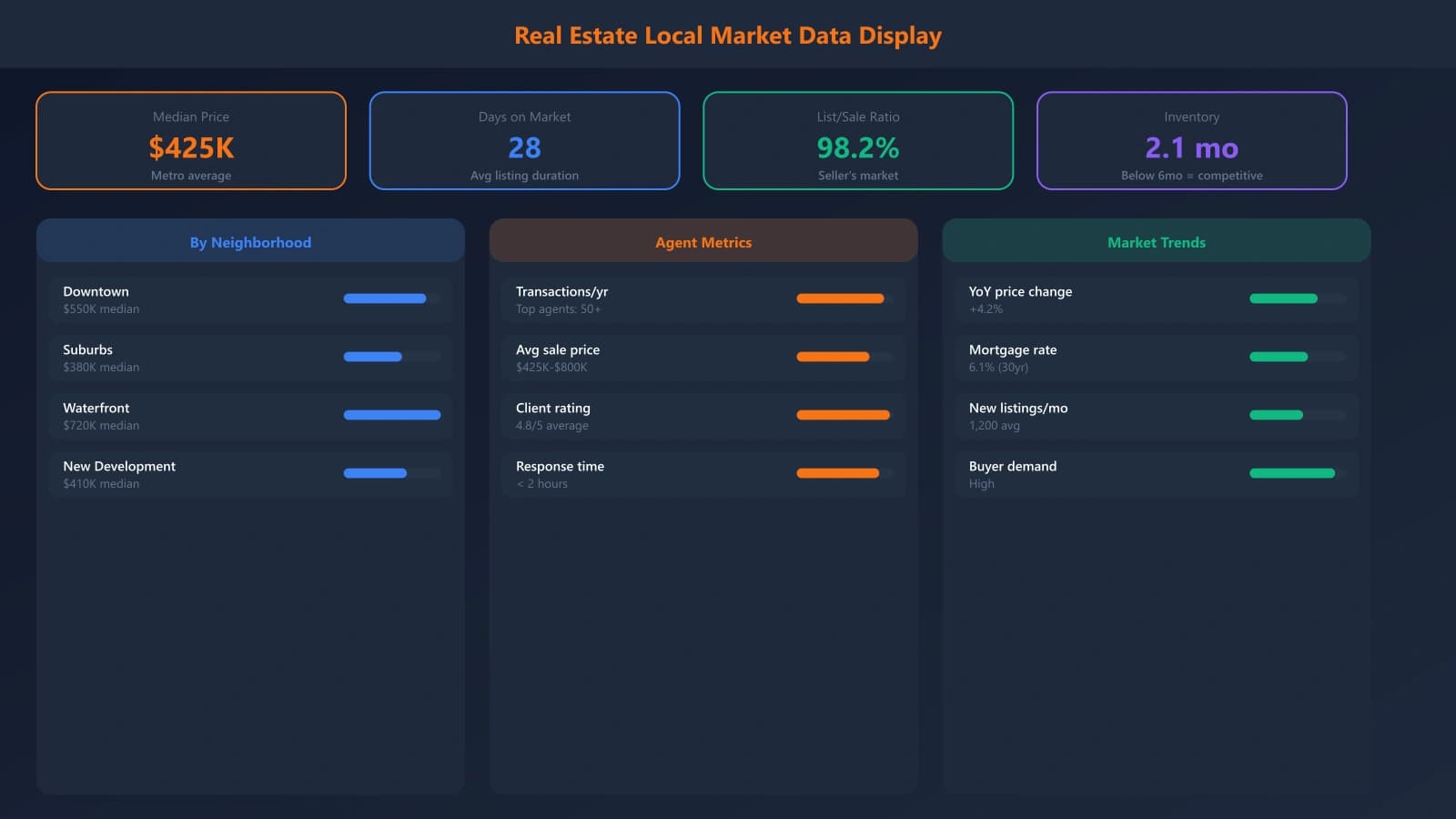
Figure 1: Local market context in real estate comparisons
Local Authority Signal
Transaction-Focused Evaluation Criteria#
Real estate buyers ultimately care about transaction success: selling for top dollar, buying at fair prices, smooth closings. Your evaluation criteria should reflect these outcome-oriented concerns.
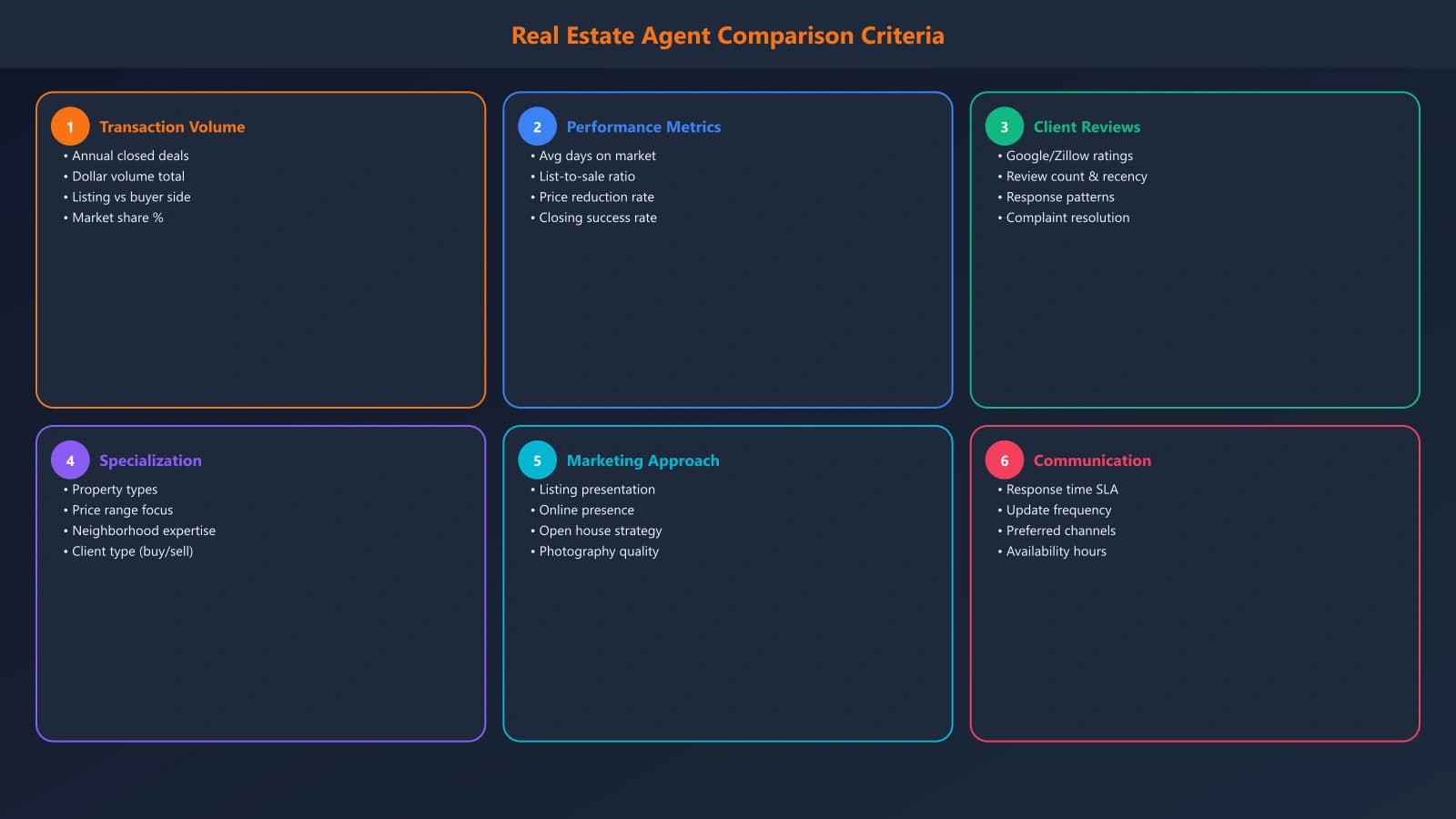
Figure 2: Transaction-focused evaluation criteria for real estate
- 1Transaction History (25%)Recent sales volume, property types, and price points handled
- 2Performance Metrics (25%)Days on market vs. average, list-to-sale price ratio, buyer success rate
- 3Client Reviews (20%)Verified reviews from Zillow, Realtor.com, and Google with specific feedback
- 4Credentials & Experience (15%)Years in market, designations (CRS, ABR), and brokerage quality
- 5Service & Communication (15%)Responsiveness, marketing approach, and negotiation style
Credential Verification and Trust Signals#
Real estate is a licensed profession with verifiable credentials. Including verification signals builds trust and differentiates your content from less rigorous comparisons.
License Lookup Resources
Real Estate Tools and PropTech Comparisons#
Beyond agent comparisons, real estate professionals and investors seek tool comparisons—CRMs, lead generation platforms, property management software, and investment analysis tools.
| Tool Category | Key Criteria | Primary Users | |
|---|---|---|---|
| Real Estate CRMs | Lead management, automation, MLS integration | Agents, teams | |
| Lead Generation | Lead quality, cost per lead, conversion support | Agents, brokerages | |
| Property Management | Tenant screening, rent collection, maintenance | Landlords, PMs | |
| Investment Analysis | Deal analysis, market data, portfolio tracking | Investors | |
| Transaction Management | Document handling, compliance, e-signatures | Brokerages, agents |
Conversion Architecture for High-Intent Traffic#
Real estate comparison traffic has exceptional intent. These visitors are often within weeks of listing or buying. Your page design should make the next step obvious and immediate.
- Click-to-call phone numbers for every agent/service
- Quick contact forms with minimal friction
- Clear service area and availability information
- Immediate response expectations set
- Free consultation or valuation offers prominent
- Comparison download for spouse/partner sharing
Do
- ✓Make contact information prominent and clickable
- ✓Show specific service areas and property type expertise
- ✓Include "schedule a call" or "get a quote" CTAs
- ✓Provide comparison sheets for household decision-making
Don't
- ✕Hide contact info behind lengthy forms
- ✕Require email signups before showing details
- ✕Use generic "Learn More" CTAs
- ✕Ignore the multi-person household decision process
Frequently Asked Questions#
How do I get real estate transaction data for comparisons?
Use public sources like Zillow, Realtor.com agent profiles, and MLS data (where publicly accessible). Many agents publish transaction history on their websites. Verify data accuracy before publishing.
Should I include commission rate information?
Include typical market commission ranges and note when agents offer different structures. Avoid implying fixed rates (commissions are negotiable). Focus on value delivered relative to cost.
How local should real estate best-of pages be?
As local as possible for agent comparisons—city or even neighborhood level. For tools and platforms, focus on features that matter to specific market types (hot markets vs. buyer's markets).
How do I handle paid agent placements?
If you accept paid placements, disclose clearly. Separate sponsored listings from editorial rankings. Better yet, keep rankings independent and monetize through other channels.
Conclusion: Serving High-Stakes Decisions#
Real estate best-of pages influence some of the largest financial decisions people make. The content that succeeds respects this gravity—providing local context, transaction-focused evaluation, verified credentials, and immediate pathways to action. Generic lists can't compete with locally-informed, outcome-oriented content.
- Build local expertise: Market-specific context differentiates valuable content
- Focus on transactions: Outcome metrics matter more than marketing claims
- Verify credentials: Real estate is regulated; verification builds trust
- Enable action: High-intent visitors need immediate contact paths
- Respect the stakes: Home transactions are significant—content should reflect that seriousness
Sources & References
- NAR. National Association of Realtors Research (2024)
- Zillow Research. Real Estate Consumer Behavior Study (2024)
- Statista. PropTech Market Analysis (2024)

Product Manager at BestPage. Pioneer in AEO research since 2024, exploring the convergence of SEO and GEO (Generative Engine Optimization). Led multiple AI-powered content optimization projects that achieved 300%+ citation increases in ChatGPT and Perplexity.