10 Best Enterprise Project Management Software in 2026
We evaluated 25+ enterprise PM platforms to find the best for large organizations. These tools handle portfolio management, resource planning, governance, and complex program management at scale.
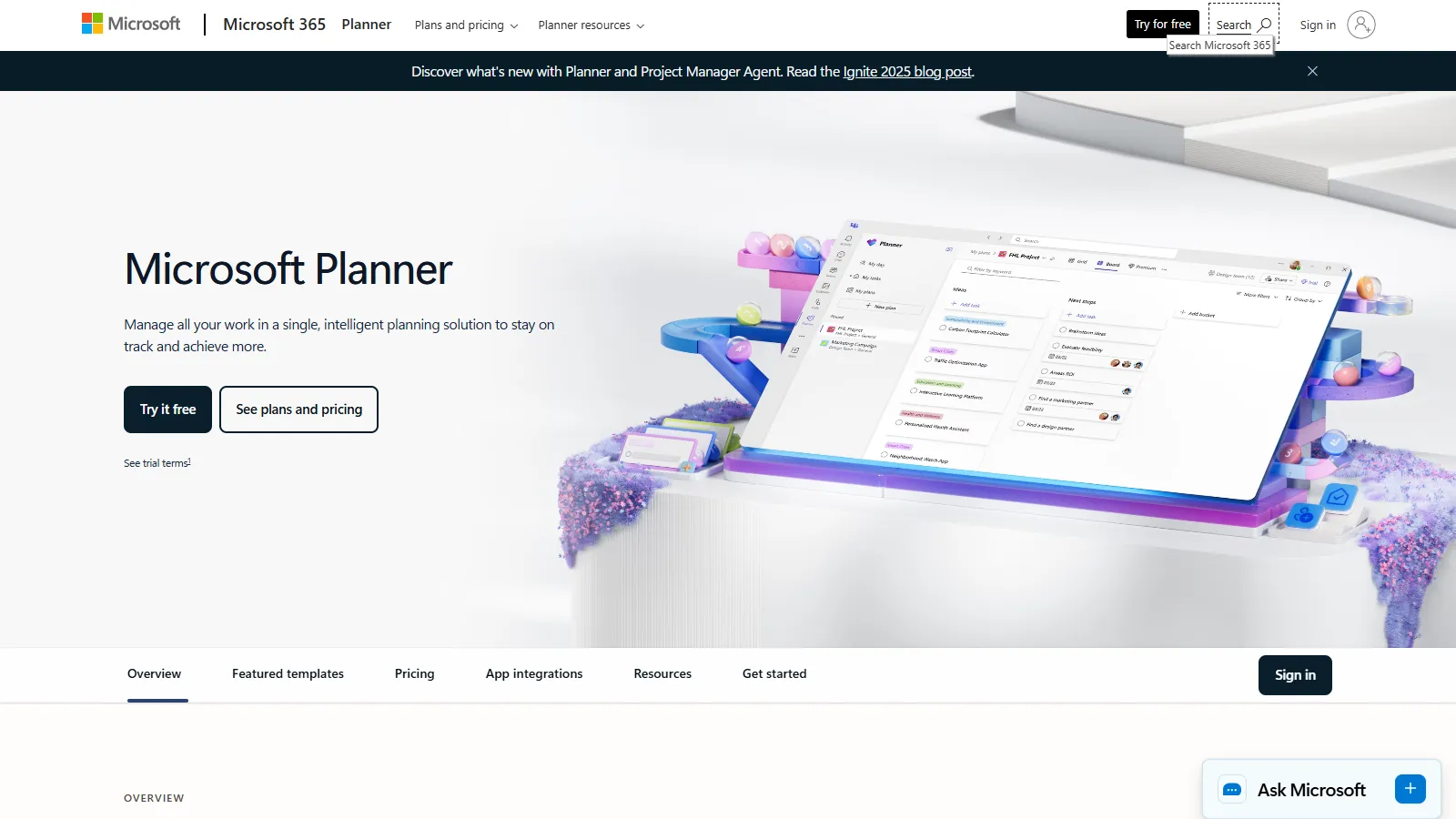
Microsoft Project is the enterprise standard for organizations in the Microsoft ecosystem. Project for the Web offers modern cloud experience, while Project Online provides advanced PPM. Power BI integration delivers executive reporting.
Starting price$10/user/mo
Strengths
Microsoft 365 native
Power BI reporting
Flexible deployment
Mature platform
Roadmap view
Limitations
Complex licensing
Learning curve
Multiple products confusing
Premium pricing
Who it's for: Best for Microsoft-centric enterprises wanting integrated project management.
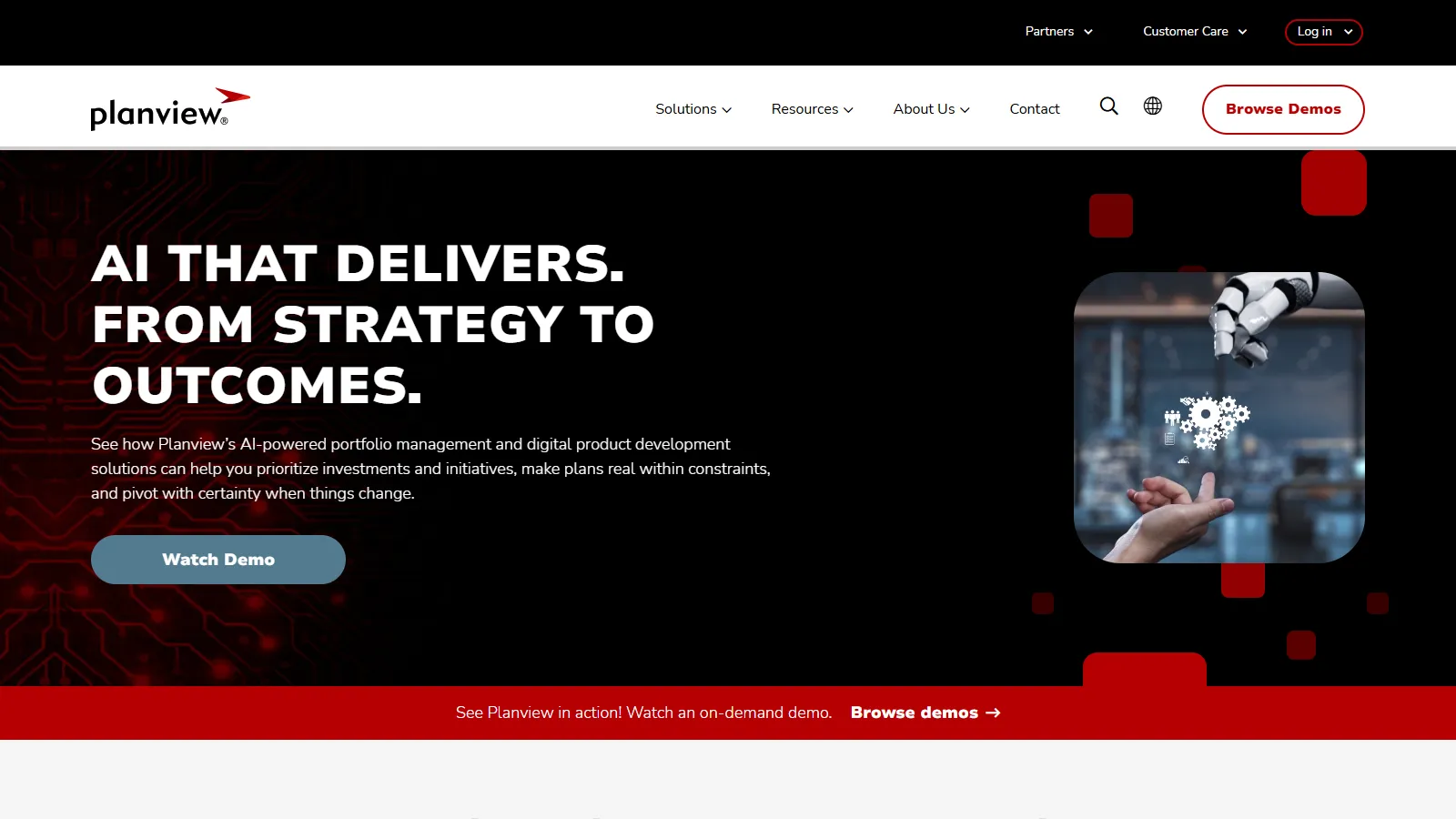
Planview is a comprehensive PPM platform for strategic portfolio management. Connect projects to business outcomes, manage resources across the enterprise, and support both traditional and Lean/Agile work.
Starting priceCustom
Strengths
Strategic alignment
Full PPM capabilities
Lean/Agile support
Resource management
Enterprise scale
Limitations
Complex implementation
Steep learning curve
Enterprise pricing
Requires PMO maturity
Who it's for: Best for mature PMOs needing strategic portfolio management.
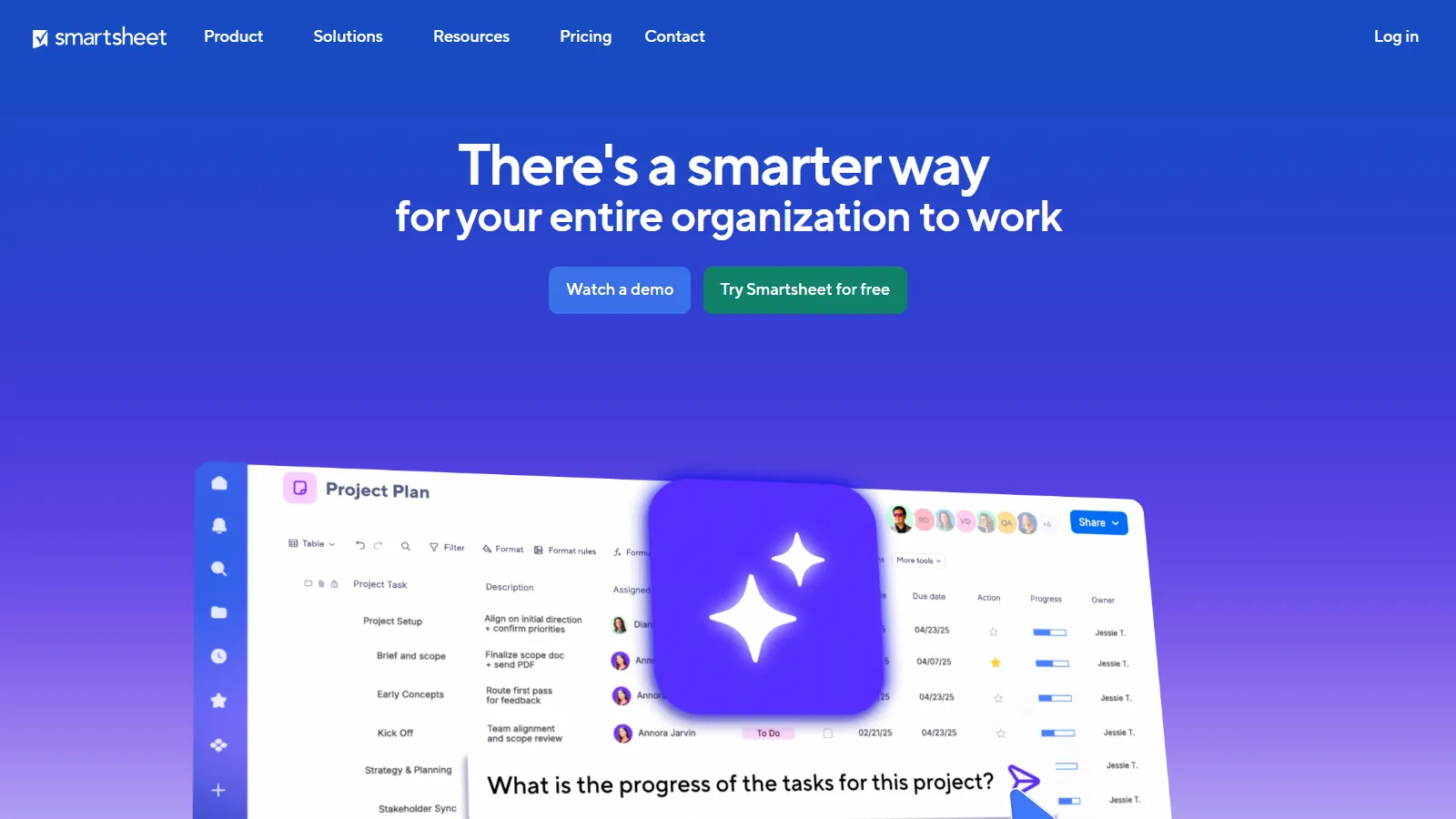
Smartsheet brings enterprise power to a spreadsheet-familiar interface. Users adopt quickly due to the familiar grid, while automation and dashboards deliver enterprise capabilities.
Starting price$9/user/mo
Strengths
Familiar interface
Easy adoption
Strong automation
Good dashboards
Flexible pricing
Limitations
Can outgrow spreadsheet model
Resource management limited
Complex for portfolios
Premium features expensive
Who it's for: Best for enterprises wanting quick adoption without heavy training.
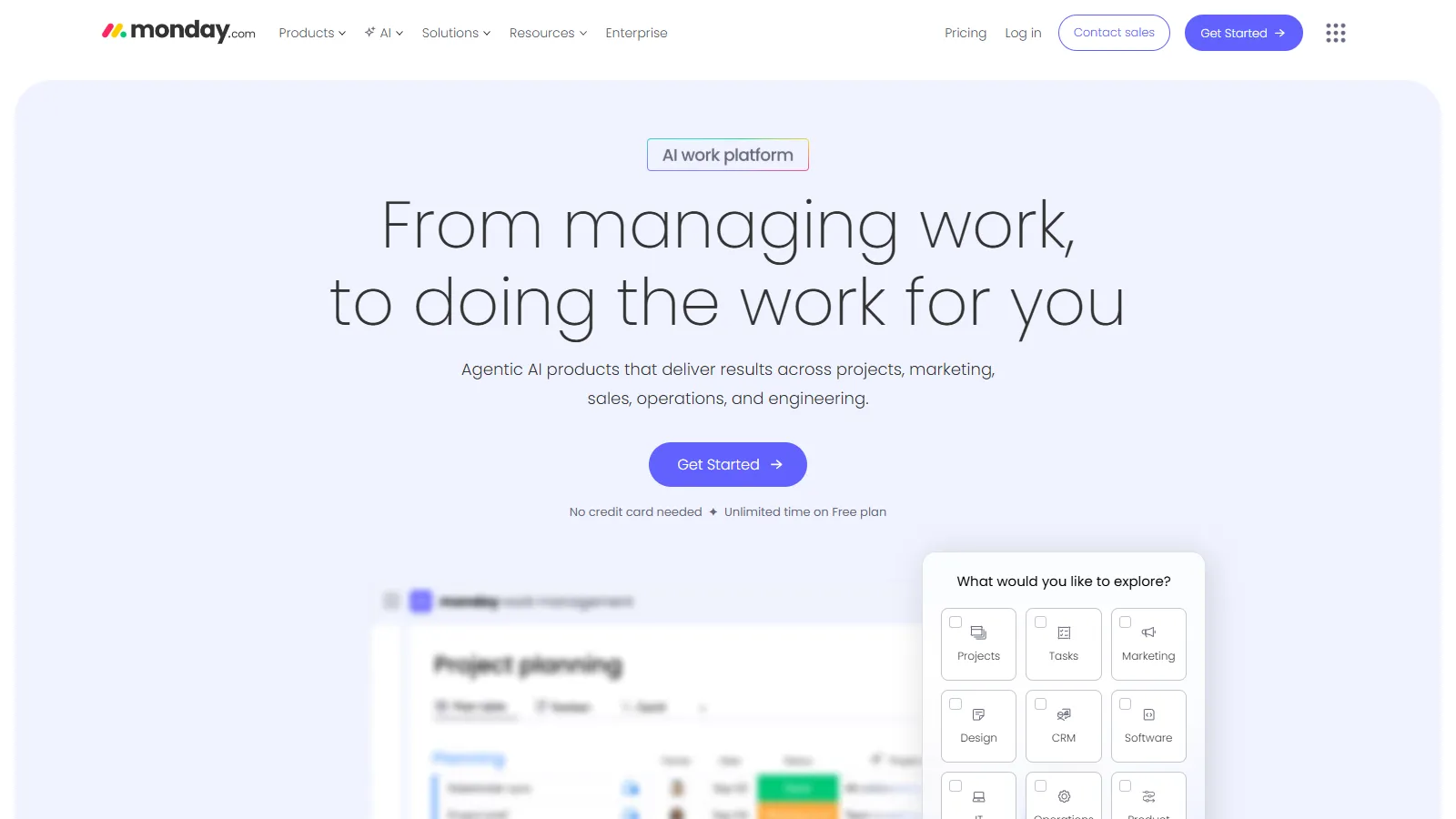
Monday.com Work OS is highly customizable and can be configured for enterprise project management. The modern UI drives adoption, and the platform scales with proper setup.
Strengths
Modern UI
Highly flexible
Strong integrations
Good dashboards
Fast to deploy
Limitations
Requires configuration
Less traditional PPM
Can become complex
Pricing at scale
Who it's for: Best for enterprises wanting modern, flexible work management.
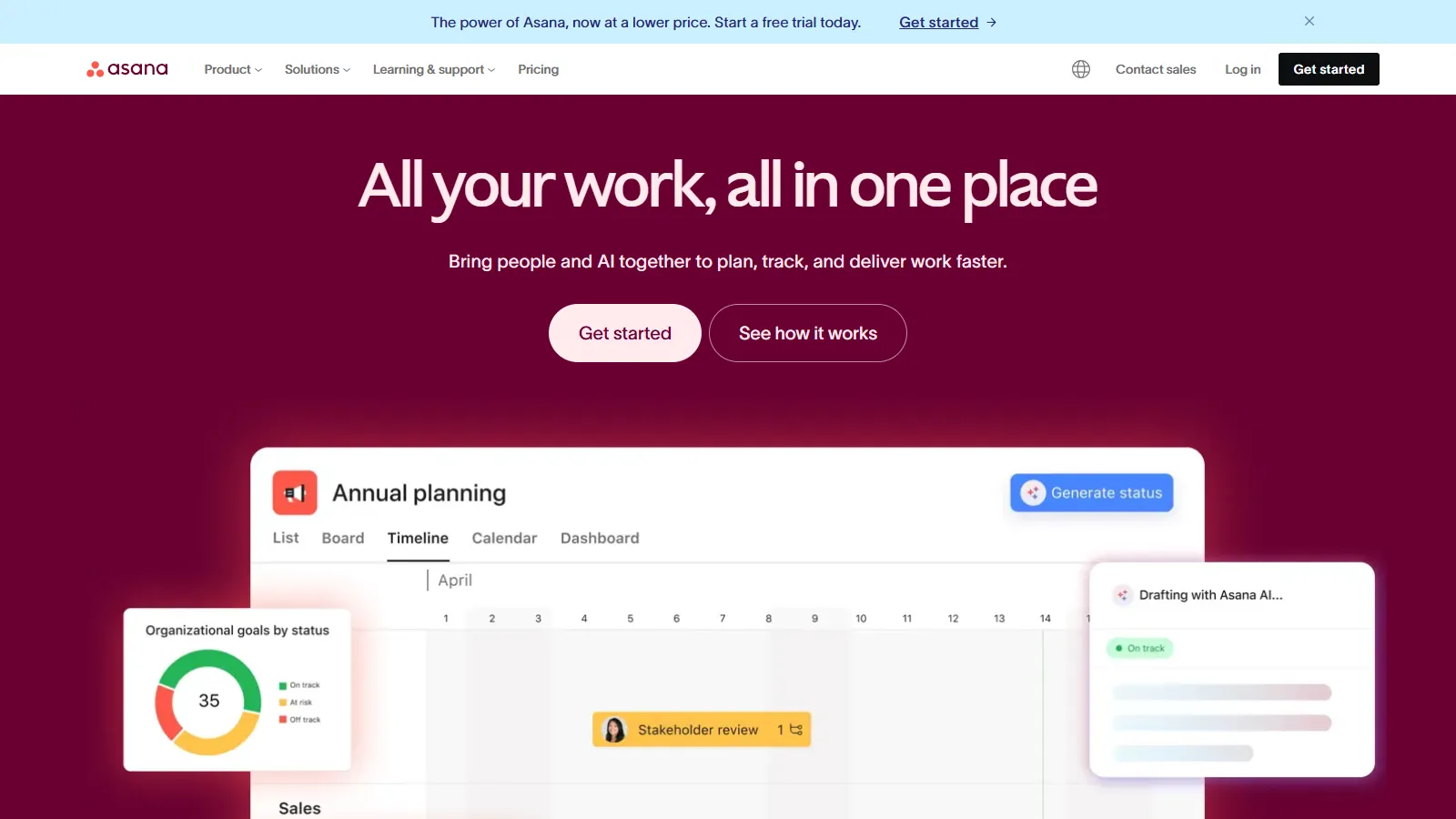
Asana connects work to company goals through portfolios and goal tracking. The platform is intuitive while offering enterprise features like admin controls and advanced security.
Starting price$11/user/mo
Strengths
Goal alignment
Portfolio tracking
Intuitive UI
Timeline view
Strong API
Limitations
Less traditional PM
Limited resource mgmt
Time tracking third-party
Complex permissions
Who it's for: Best for goal-oriented enterprises wanting intuitive project management.
Jira Align is purpose-built for Scaled Agile Framework (SAFe) at enterprise level. Connect team-level Jira work to strategic initiatives with PI planning, OKRs, and dependency management.
Starting priceCustom
Strengths
SAFe native
Jira integration
PI planning
OKR tracking
Dependency mapping
Limitations
SAFe specific
Requires Jira
Complex setup
Enterprise only
Who it's for: Best for enterprises implementing Scaled Agile Framework.
Workfront is now part of Adobe and optimized for creative enterprise teams. Deep Adobe Creative Cloud integration, proofing workflows, and resource management for marketing and creative.
Strengths
Adobe native
Creative workflows
Proofing built-in
Resource management
Marketing focused
Limitations
Best with Adobe CC
Enterprise pricing
Complex for small teams
Implementation heavy
Who it's for: Best for creative enterprises using Adobe Creative Cloud.
Clarity PPM is a mature enterprise PPM platform with deep financial management. Track project costs, manage demand, and govern portfolios with traditional PPM methodology.
Strengths
Mature platform
Financial management
Demand management
Traditional PPM
Highly customizable
Limitations
Legacy interface
Complex implementation
Expensive
Slow innovation
Who it's for: Best for traditional PMOs needing deep financial management.
Primavera is the industry standard for construction and engineering megaprojects. CPM scheduling, risk analysis, and cost control handle the most complex projects in the world.
Strengths
Industry standard
CPM scheduling
Risk analysis
Cost control
Handles megaprojects
Limitations
Steep learning curve
Expensive
Complex
Overkill for simple projects
Who it's for: Best for construction, engineering, and infrastructure megaprojects.
We assessed each platform for enterprise-specific requirements.
Portfolio Management (25%) — Ability to manage multiple projects and programs.
Resource Management (25%) — Capacity planning and resource allocation.
Governance (20%) — Approval workflows, compliance, and controls.
Scalability (20%) — Performance with 1000+ users and projects.
Integration (10%) — Enterprise system connections (ERP, HR, etc).
How to Choose
Choose Microsoft Project if you need Microsoft ecosystem.
Choose Planview if you need strategic PMO.
Choose Smartsheet if you need quick adoption.
Choose Jira Align if you need Scaled Agile (SAFe).
Choose Primavera if you need construction/engineering.
Common Questions
If you have 100+ projects, need resource management across teams, require portfolio visibility, or have governance requirements, enterprise PM software provides essential capabilities. Smaller organizations can often use mid-market tools.
Most enterprises are moving to cloud for lower maintenance and faster updates. On-premise is still needed for specific compliance requirements or air-gapped environments. Hybrid options exist for transition periods.
Enterprise PM implementations typically take 3-12 months depending on complexity, customization, and change management. Plan for significant configuration, training, and process alignment time.