

Key Takeaways
- •Operational focus: Hospitality buyers prioritize reliability, uptime, and integration with existing systems—downtime costs real revenue
- •Industry-specific criteria: PMS integration, channel management, guest experience metrics—generic software criteria miss what hospitality operators need
- •Seasonal update cycles: Align content updates with hospitality planning cycles—pre-season for travel, pre-holiday for restaurants
- •Multi-property considerations: Many buyers operate multiple locations; scalability and central management matter
Hospitality best-of pages serve hotels, restaurants, travel operators, and event venues seeking tools and services to improve operations and guest experiences. When a hotel GM searches "best property management systems" or a restaurant owner looks for "top POS systems for restaurants," they're making decisions that directly impact daily operations and guest satisfaction.
This guide covers how to build hospitality-focused best-of pages that rank for high-intent searches while genuinely helping operators make better technology and vendor decisions. We'll explore industry-specific evaluation criteria, operational proof signals, seasonal update strategies, and the content structure that resonates with hospitality professionals.
Understanding Hospitality Buyer Context#
Hospitality operators make technology decisions differently than other industries. They prioritize operational reliability above feature richness, and they need solutions that work during peak periods without disruption.
Hospitality buyers also face unique constraints: limited IT resources, high staff turnover requiring easy training, and peak seasons where any system change is impossible. Your content should acknowledge these operational realities.
Do
- ✓Highlight reliability and uptime guarantees
- ✓Include implementation timeline and complexity
- ✓Note training requirements and learning curves
- ✓Address multi-property management capabilities
Don't
- ✕Focus only on feature counts without operational context
- ✕Ignore the "no changes during peak season" reality
- ✕Assume unlimited IT support for implementation
- ✕Overlook integration with existing systems
Industry-Specific Evaluation Criteria#
Generic software criteria fail hospitality buyers. Property management systems, restaurant POS, and event platforms each have unique requirements that should drive your evaluation framework.
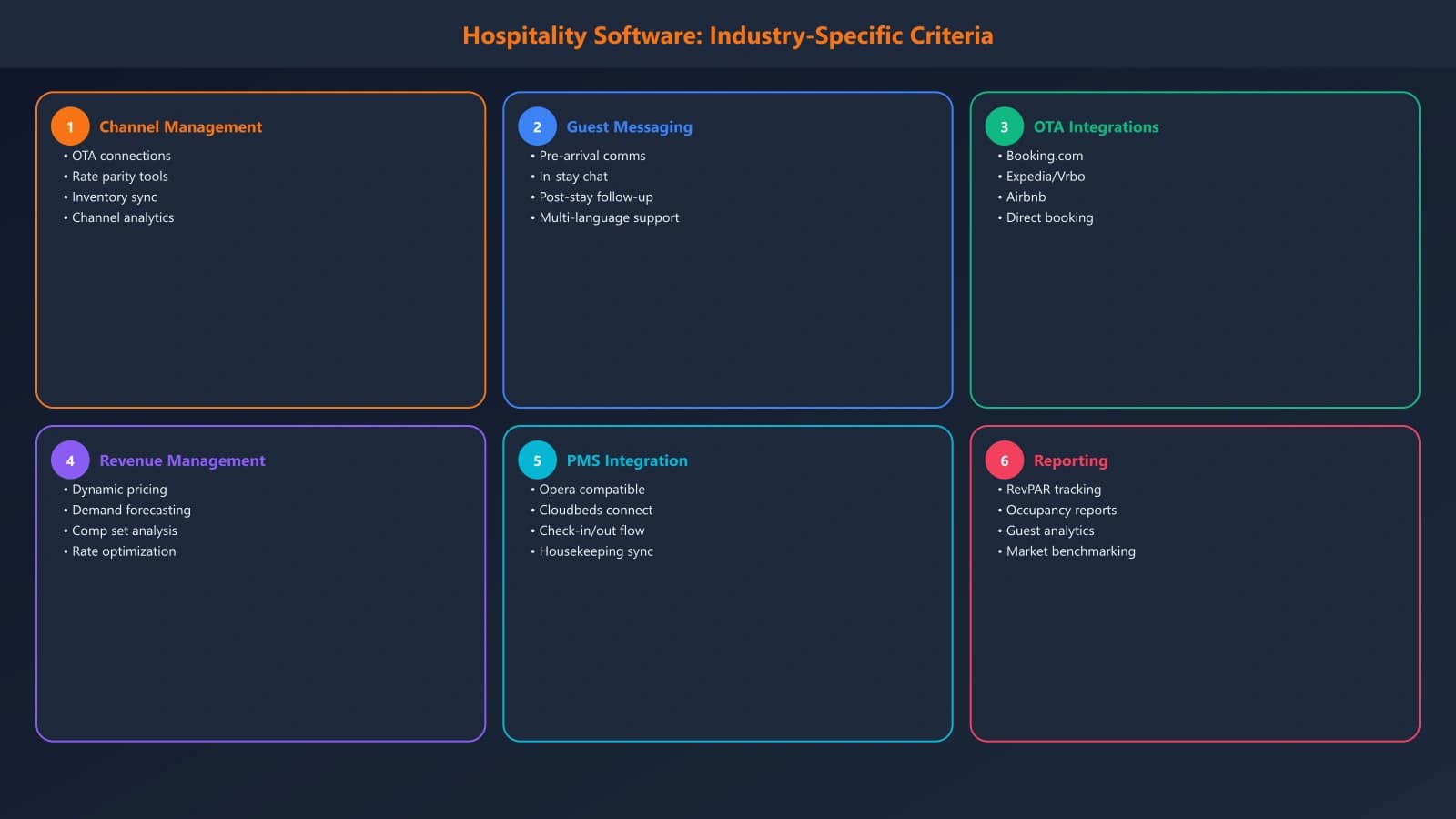
Figure 1: Industry-specific evaluation criteria for hospitality technology
Hotel Technology Criteria#
- 1PMS/Channel Management (25%)Two-way sync with OTAs, rate management, inventory updates, commission tracking
- 2Guest Experience (20%)Contactless check-in, messaging, upselling, loyalty integration
- 3Revenue Management (20%)Dynamic pricing, demand forecasting, competitive intelligence
- 4Operations & Housekeeping (15%)Task management, maintenance tracking, staff communication
- 5Reporting & Analytics (10%)Performance dashboards, custom reports, benchmark data
- 6Implementation & Support (10%)Training, 24/7 support, update frequency, onboarding timeline
Restaurant Technology Criteria#
Operational Proof Signals#
Hospitality buyers want evidence of operational success—not just feature lists. Uptime guarantees, client property counts, and implementation success stories carry more weight than marketing claims.
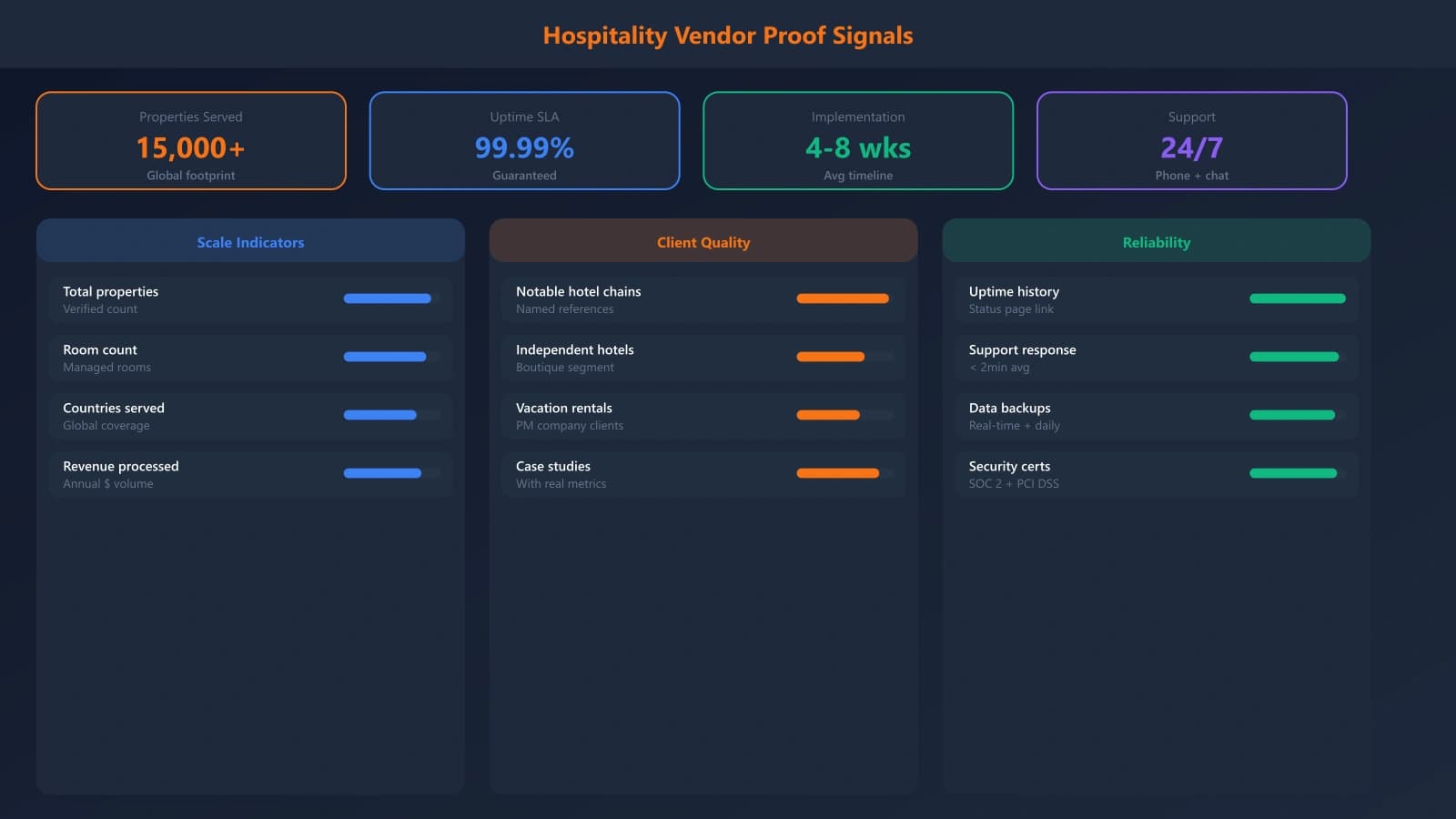
Figure 2: Operational proof signals for hospitality comparisons
Finding Hospitality Proof Data
Multi-Property and Enterprise Considerations#
Many hospitality buyers operate multiple properties or plan to expand. Scalability, central management, and consistent guest experience across locations become critical evaluation factors.
| Consideration | Single Property | Multi-Property/Chain | |
|---|---|---|---|
| Management | Local control | Centralized dashboard, property-level access | |
| Pricing | Per-property | Volume discounts, enterprise agreements | |
| Integration | Basic needs | Central CRM, unified guest profiles | |
| Reporting | Property metrics | Portfolio analytics, benchmarking | |
| Implementation | Single rollout | Phased deployment, brand standards |
Seasonal Update Strategy for Hospitality#
Hospitality technology decisions follow seasonal patterns. Hotels plan during shoulder seasons; restaurants evaluate before holiday rushes. Align your update schedule with these buying cycles.
Hospitality Content Calendar
Post-Season Review
Update with previous year performance data, new product releases from HITEC/NRA shows
Pre-Summer Update
Hotels planning for summer season; restaurants preparing for patio season
Fall Planning
Hotels evaluating for next year; restaurants preparing for holiday rush
Budget Season
Annual budget planning; major purchase decisions for next year
Update Timing
Content Structure for Hospitality Buyers#
Hospitality professionals are time-constrained operators, not researchers. Your content structure should enable quick scanning while providing depth for those with implementation authority.
- Quick comparison table with key operational metrics
- Property type segmentation (boutique, chain, resort)
- Integration compatibility with major PMS/POS systems
- Pricing transparency with volume considerations
- Implementation timeline and resource requirements
- Demo/trial CTAs appropriate for hospitality cycles
Frequently Asked Questions#
How do I research hospitality technology without industry access?
Use HotelTechReport and G2's hospitality categories for verified reviews. Attend virtual HITEC or NRA show sessions. Many vendors publish case studies with property names that can be verified.
Should I separate hotel and restaurant content?
Yes—these are distinct buyer personas with different needs. A restaurant owner searching for "best POS" doesn't want to scroll past hotel content. Create category-specific pages.
How important are integrations in hospitality comparisons?
Critical. Hospitality tech stacks are interconnected—PMS talks to channel managers, POS connects to accounting. Always include integration ecosystem information and compatibility notes.
What price transparency is appropriate?
Include pricing models (per-room, per-transaction, flat fee) and general ranges. Note that enterprise/multi-property pricing is typically negotiated. Avoid specific prices that change frequently.
Conclusion: Serving Operational Excellence#
Hospitality best-of pages succeed when they understand that operators need systems that work flawlessly during peak service, integrate with existing infrastructure, and scale with business growth. Generic software comparisons miss these operational imperatives. The content that ranks serves hospitality's unique needs with industry-specific criteria and operational proof signals.
- Prioritize operations: Reliability and integration matter more than feature counts
- Use industry criteria: Generic software evaluation misses hospitality-specific needs
- Show operational proof: Uptime SLAs, client counts, and implementation success stories
- Consider scale: Multi-property buyers need different information than single-location operators
- Respect seasonality: Update content aligned with hospitality planning cycles
Sources & References
- HotelTechReport. Hotel Technology Benchmark Report (2024)
- National Restaurant Association. Restaurant Technology Industry Report (2024)
- Hospitality Net. Hospitality Technology Trends (2024)

Product Manager at BestPage. Pioneer in AEO research since 2024, exploring the convergence of SEO and GEO (Generative Engine Optimization). Led multiple AI-powered content optimization projects that achieved 300%+ citation increases in ChatGPT and Perplexity.